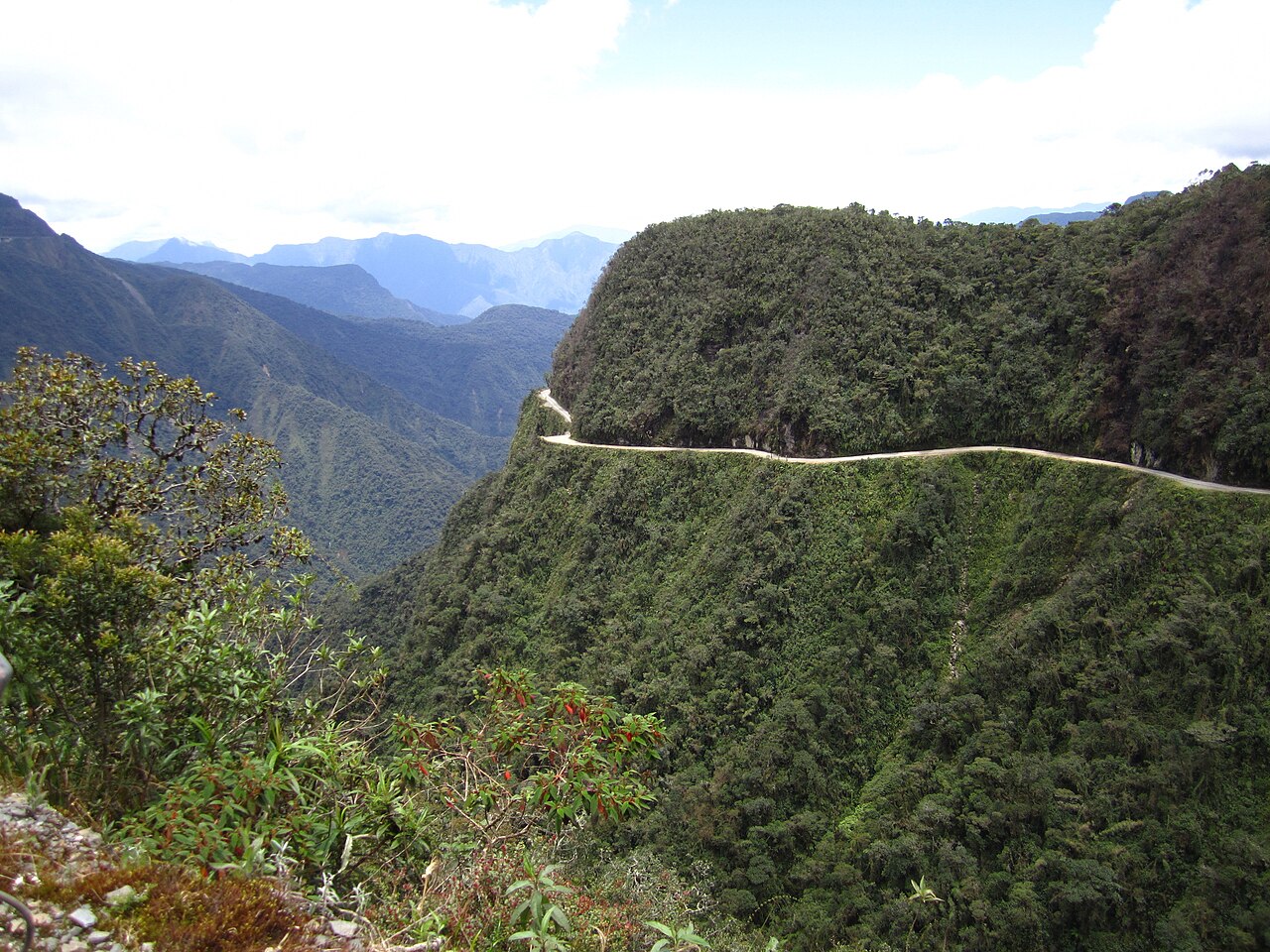
Coffee reached Bolivia in the late 18th and early 19th centuries, first in the Yungas on the eastern Andean slopes. In the early 1900s Yungas coffee was in strong demand in Europe.
After the 1953 land reform, the state gave land in Caranavi to indigenous farmers and miners in the 1960s. Caranavi is now the largest coffee region.
Output has fallen from levels of 20–25 years ago. Ageing farms, leaf rust, poor roads and more profitable coca all weigh on growers.
Field notes
What the record says
- The Yungas produces about 95% of Bolivia's coffee.1
- Smallholders on plots of 1 to 8 hectares grow an estimated 85–95% of Bolivia's coffee.1
- Bolivia's production and exports have been about 30,000 60-kg bags a year in recent harvests.1
- Many coffee farmers can earn more from coca, and the Yungas is Bolivia's traditional legal coca area.1
- In 1885 Bolivia produced about 2.4 million pounds of coffee a year. In 1908 it exported about 150,000 pounds, mostly to Chile.2
- In 1900 a machine was installed in La Paz to roast and grind coffee, which was sold in home-made tins.2
What we couldn't confirm
Main source is a trade blog (Perfect Daily Grind), which says reliable data is hard to find. Peak production figures vary across sources and were left out. No drinking ritual or lost art was sourced.
Sources
- Exploring the Bolivian coffee sector · Perfect Daily Grind, 2022 in the bibliography
- Coffee production in Bolivia · Wikipedia in the bibliography