What the world is forgetting about coffee.
69 rituals, recipes, tools and even coffee species that are lost, fading or only just coming back, found in the record from 52 places. Each one links to the place it comes from and the sources behind it.
Lost
Gone from daily life. Known now from records, museums and memory.
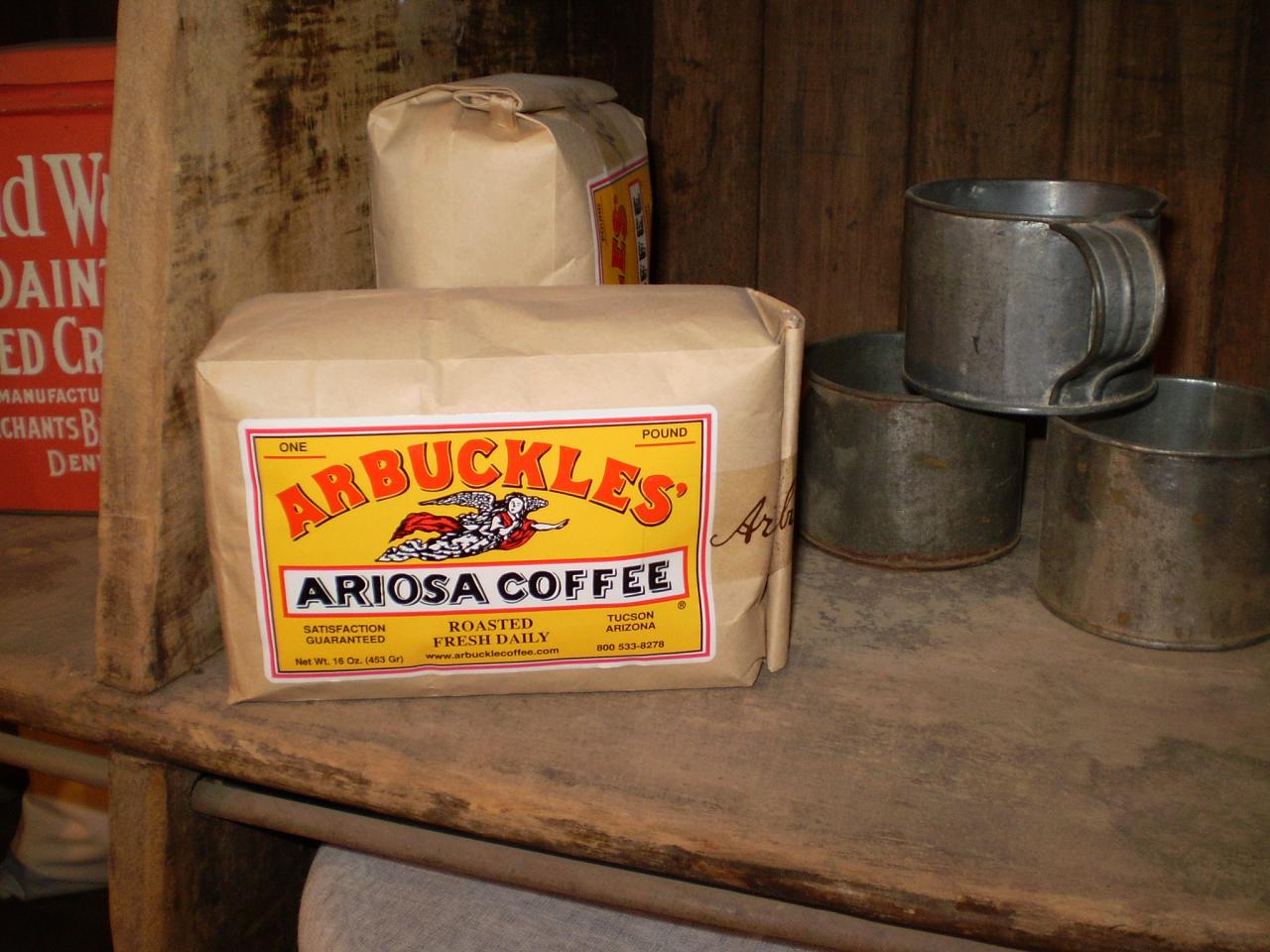
Egg-and-sugar glazed beans
Before Arbuckles', coffee was sold green and roasted at home, where one burned bean could spoil a batch. The Arbuckles sealed roasted beans with an egg-and-sugar glaze to keep them fresh on the trail.
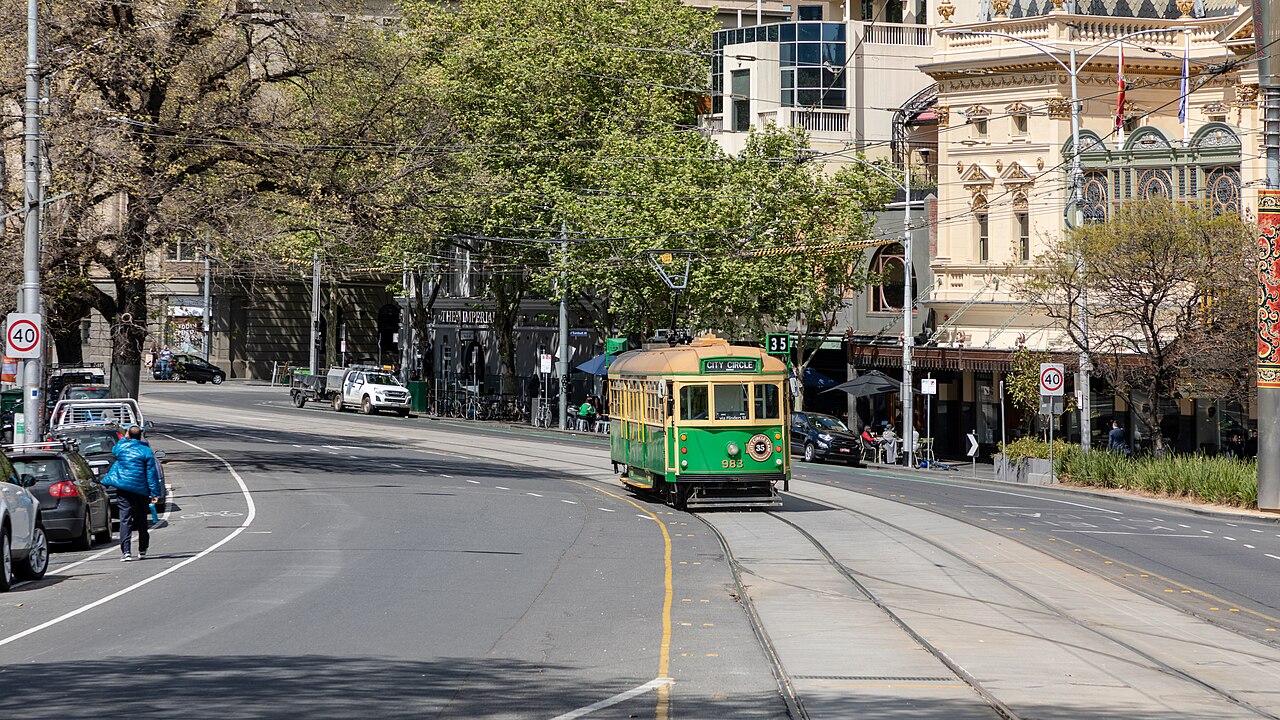
Coffee palaces
By the 1880s, coffee palaces were common in Australian cities and larger country towns.
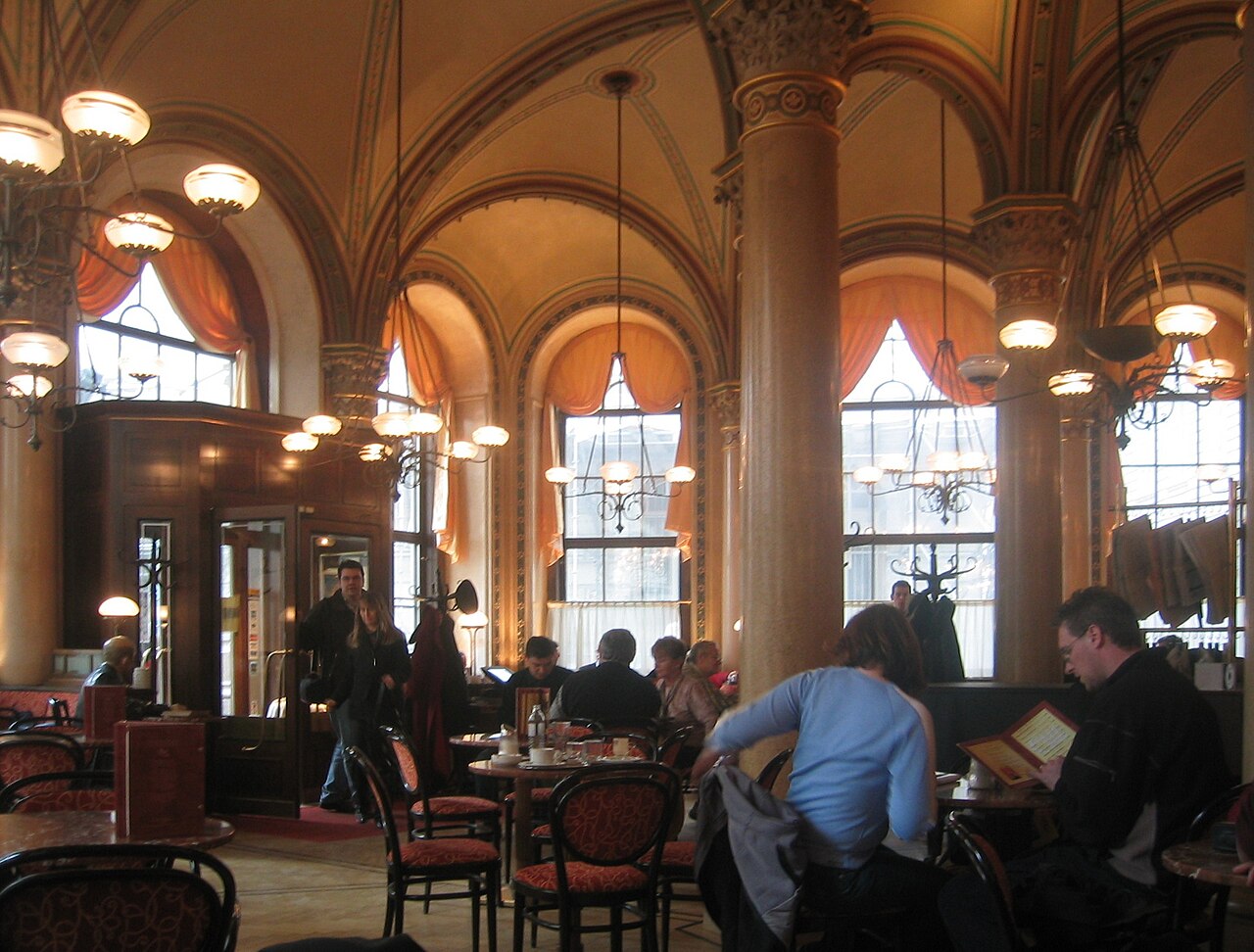
Colour-chart coffee ordering
Early Viennese coffee drinks had no names; customers chose the mixture they wanted from a chart of shades.
Café Griensteidl
A literary coffee house said to be Trotsky's favourite; it closed in June 2017.

The great coffee burning (1931–1944)
After the 1929 crash, Getúlio Vargas's government destroyed surplus coffee to raise world prices. Brazil burned about 78.2 million bags of exportable coffee, mostly at the port of Santos. Some beans were dumped at sea, and a 1932 test ran a steam locomotive for two hours on green coffee.
Café com leite politics
From about 1889 to 1930, coffee-growing São Paulo and dairy-producing Minas Gerais traded the presidency between them. The arrangement was named after coffee with milk and ended with the Revolution of 1930.
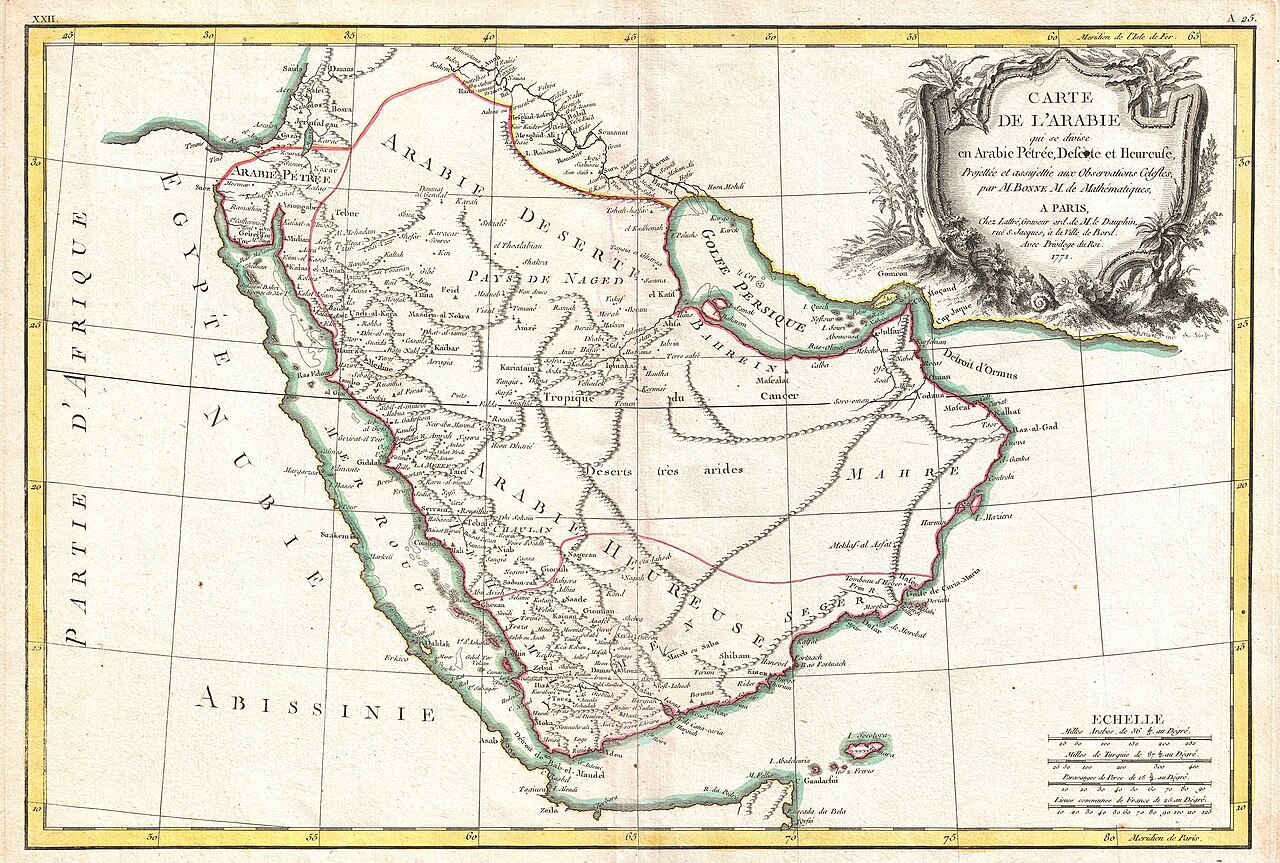
Coffee prohibition
Religious, political and trade-based bans on coffee, from Mecca in 1511 to Prussia in the 1780s, all eventually failed.

Coffee as penance
A priest named Francisco Romero is said to have told parishioners in Salazar de las Palmas to plant coffee as penance after confession, helping spread the crop in the north-east.

The coffee railway to Limón
Built to carry coffee to the Caribbean, the line opened in 1890. An earthquake on 22 April 1991 badly damaged it, the tracks were never repaired, and service ended.
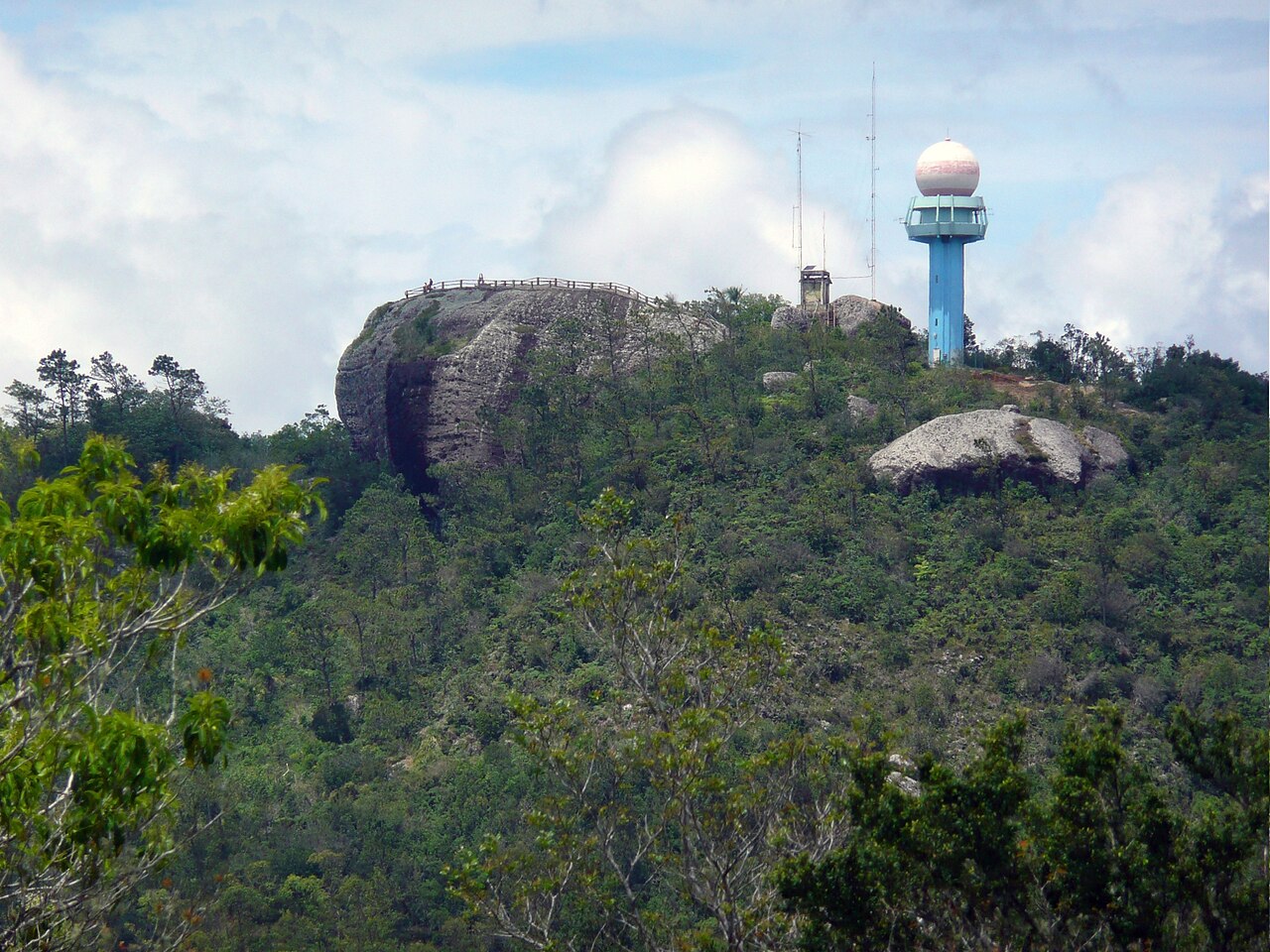
Cafetales of the Sierra Maestra
171 French-built coffee plantations from the 19th and early 20th centuries, mostly in ruins. Cafetal La Isabelica has been restored and shows tools and slave chains.
Wartime substitute coffee
In the Second World War, shop coffee fell to 25% and then 15% real coffee; by the 1940s it was all substitute made from chicory, dandelion root, peas, rye or barley.
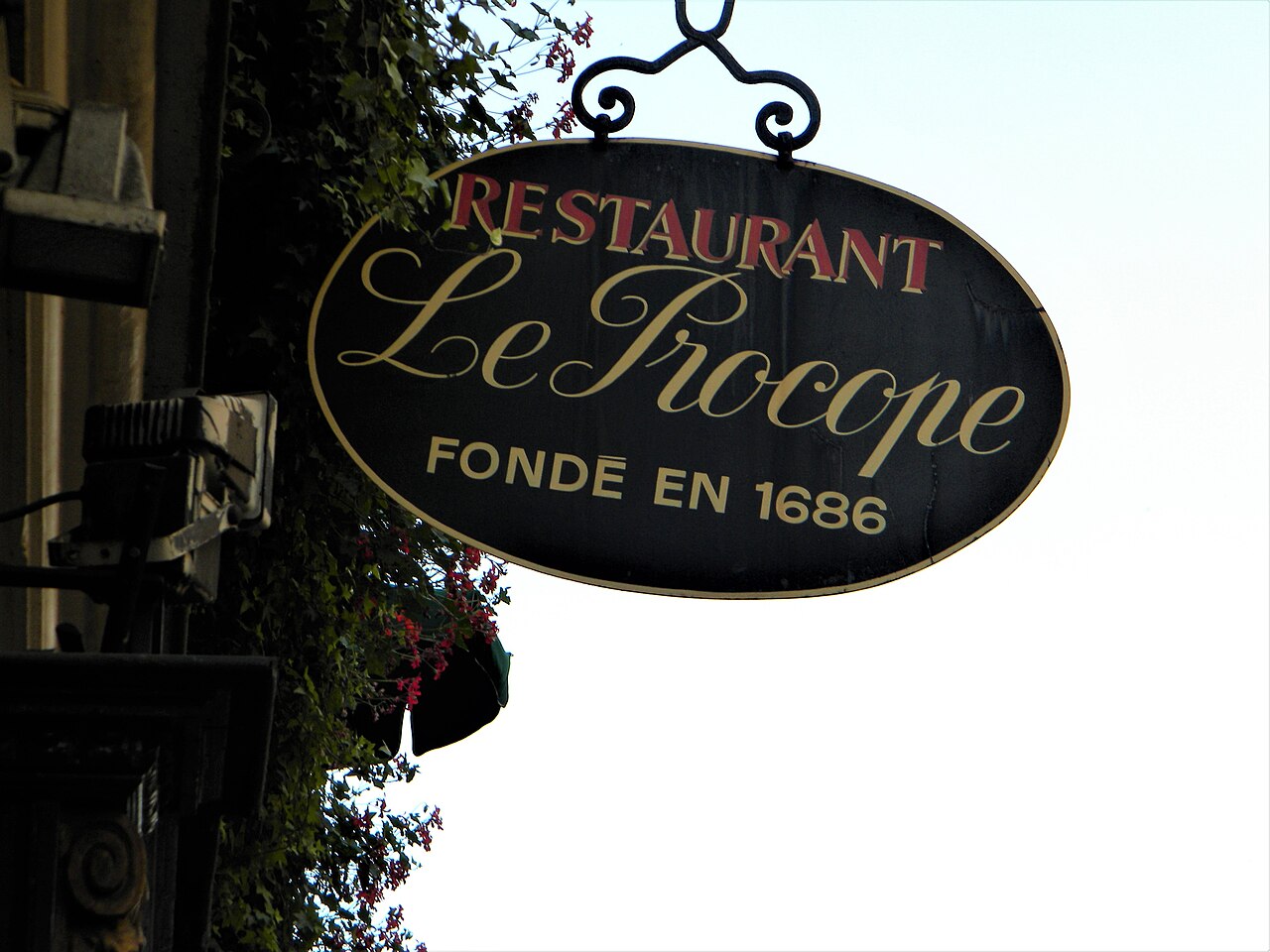
The original Café Procope
The 1686 café of the Enlightenment closed in 1872; the restaurant on the site today opened in 1957.
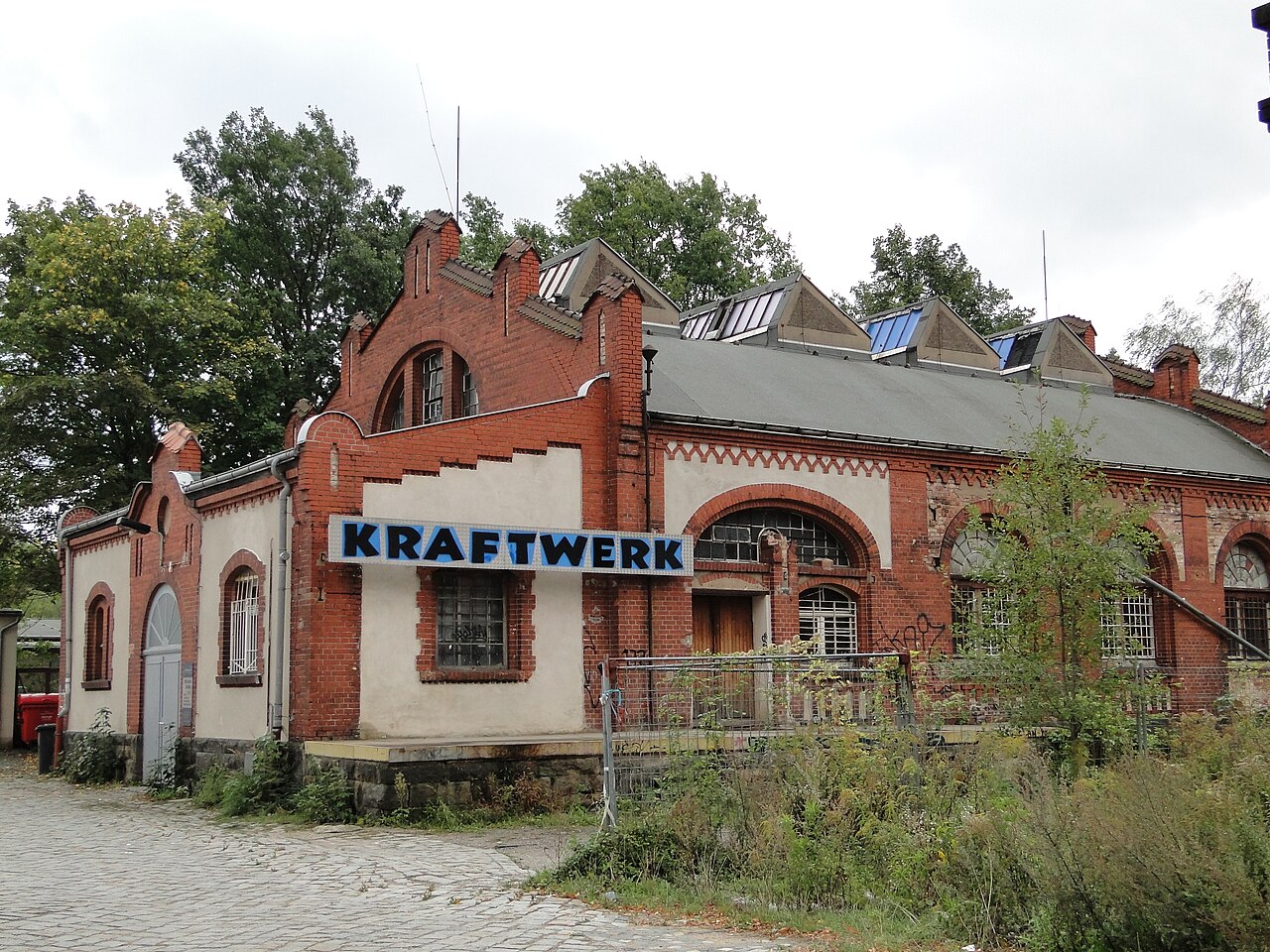
Prussian coffee sniffers
About 400 disabled veterans of the Seven Years' War patrolled for the smell of illegal roasting, from 1781 until the state monopoly ended in 1787.

Coffee Vacation
Kona public schools moved their long break to August to November so children could pick coffee. Schools returned to a normal summer break in 1969.
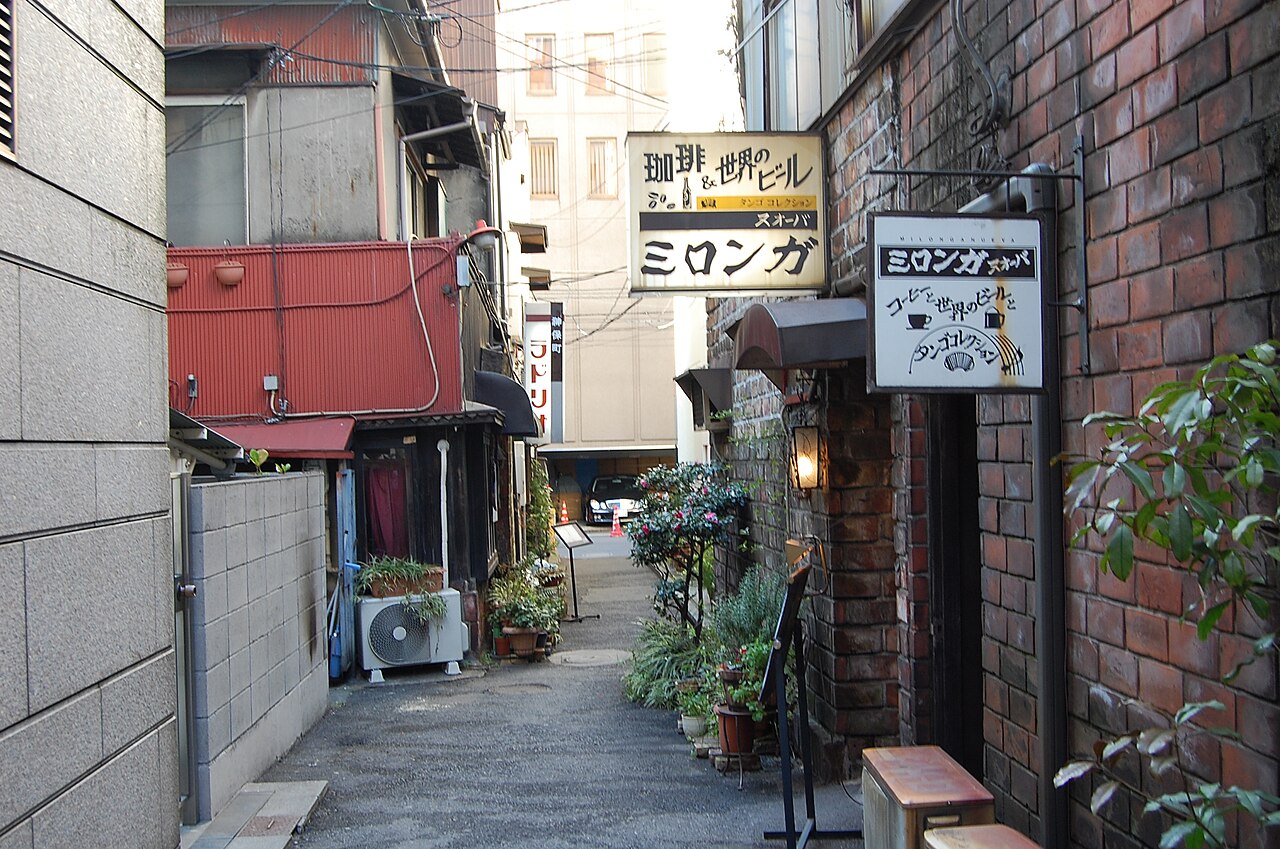
Well-chilled coffee
Iced coffee appeared in the Meiji era. Before refrigeration, people chilled it in glass jars lowered into well water.
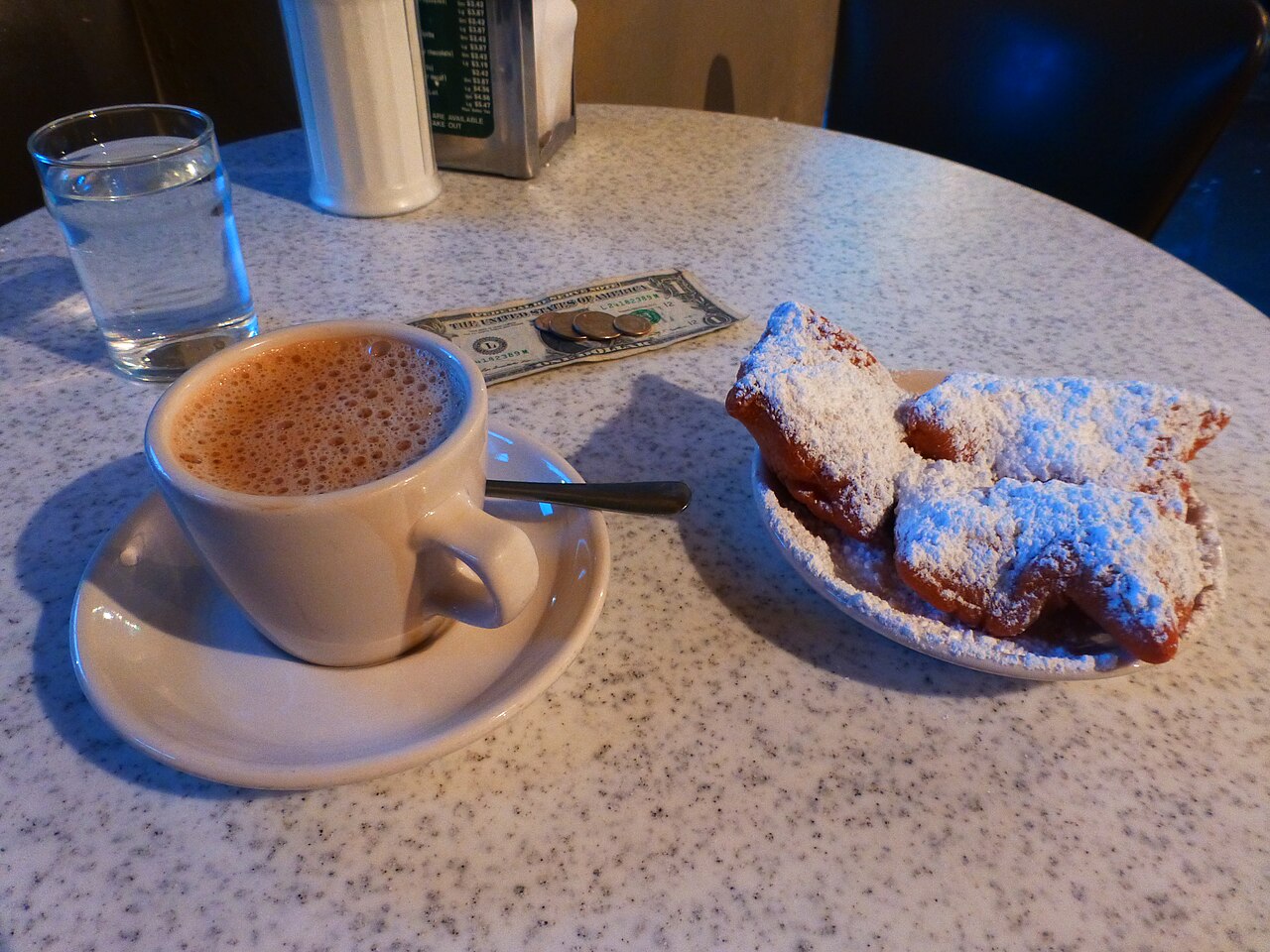
Civil War coffee substitutes
Southerners stretched or replaced coffee with okra seed, sweet potato, acorns, rye, toasted cornmeal and even cottonseed. Only New Orleans's chicory habit survived.
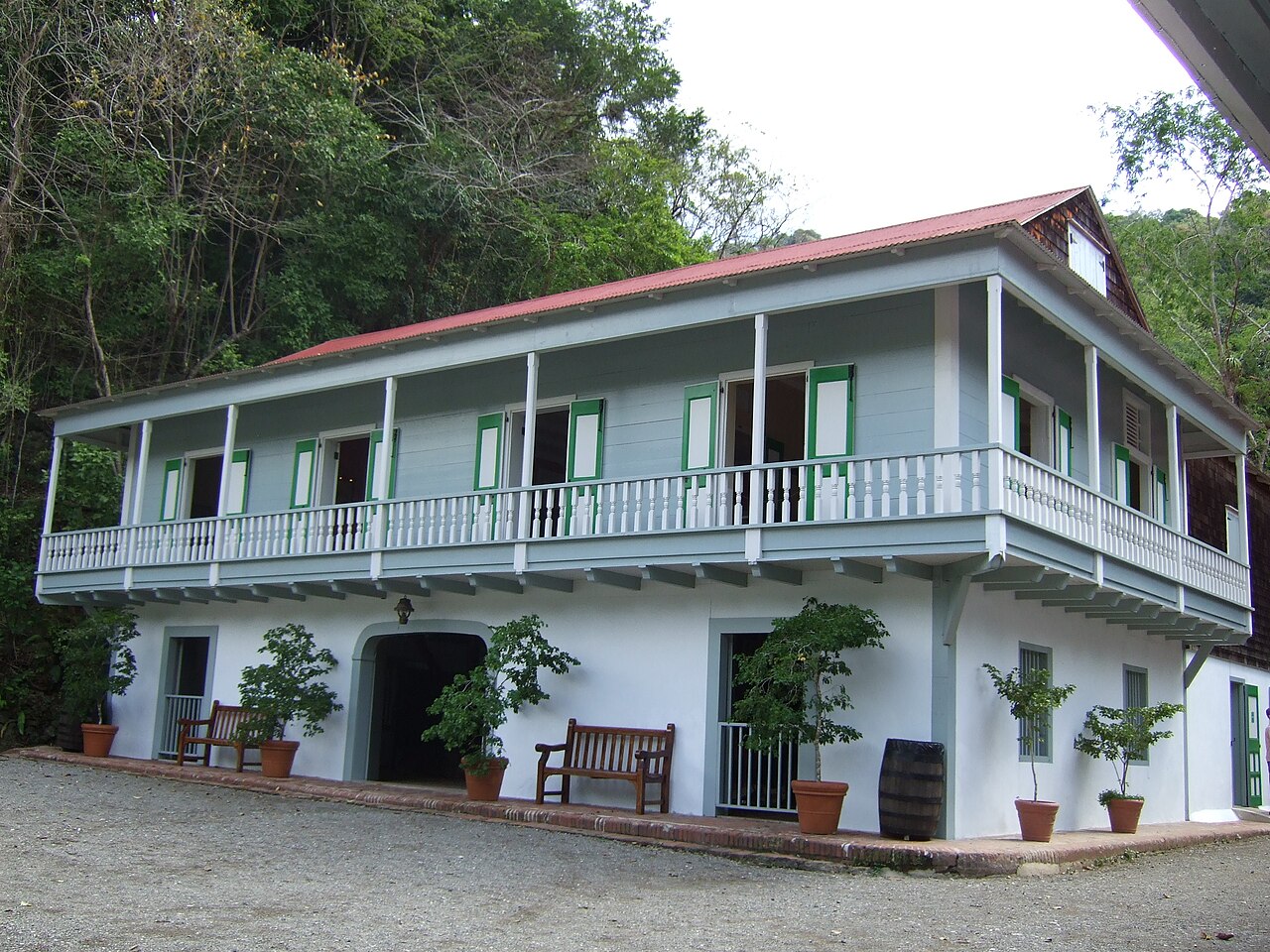
The Mariani cotton-gin dehuller
In the 1860s the Mariani family of Yauco converted a cotton gin to mechanically de-husk coffee, a job once done by hand.
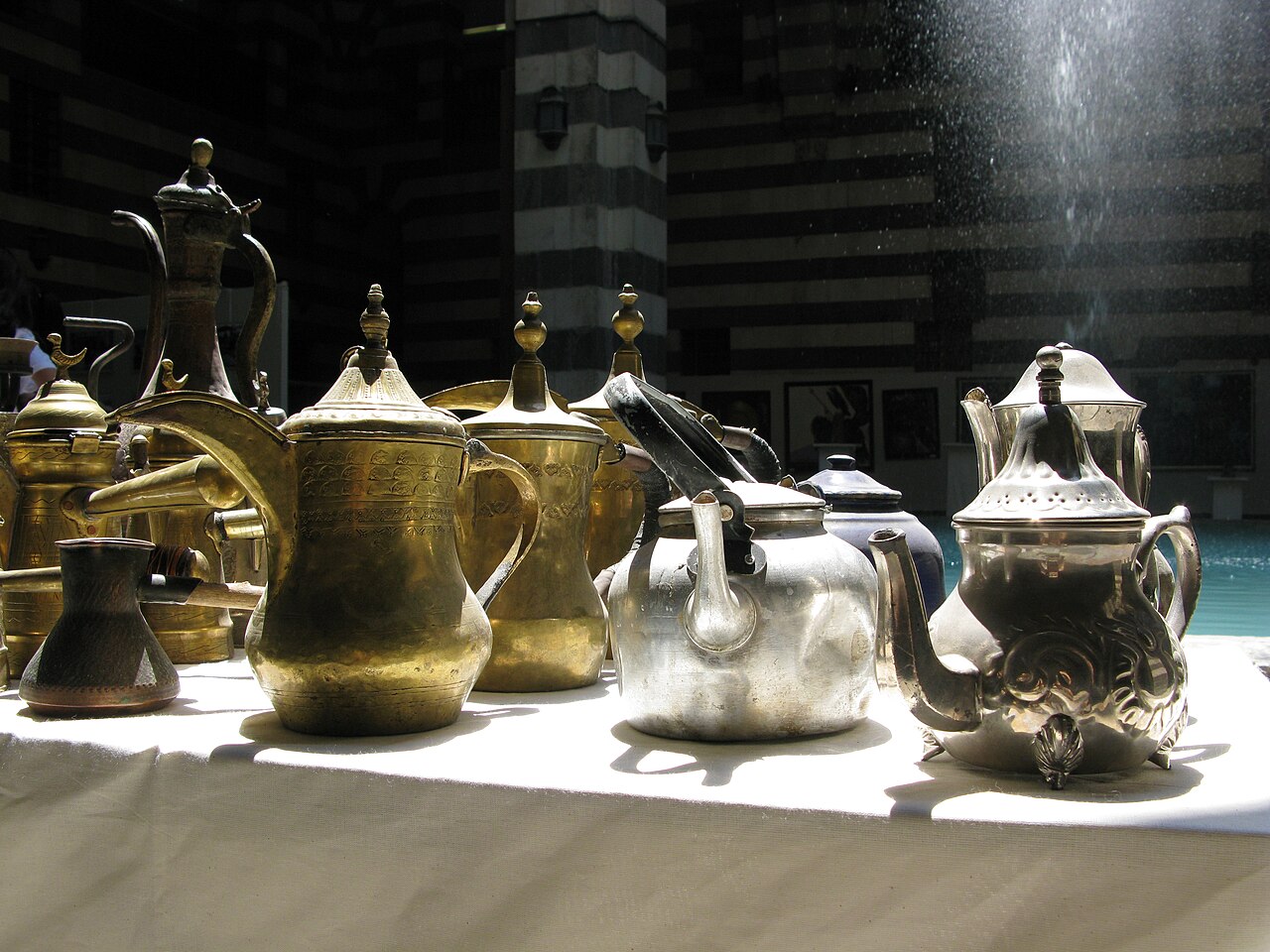
Mecca's coffee ban of 1511
After a 1509 debate in which Mecca's chief Shafi'i judge permitted coffee, market inspector Khair Beg banned coffeehouse gatherings in June 1511, saying they met 'in a manner similar to taverns'. Violators were lashed and paraded through the market.
Sweden's coffee bans
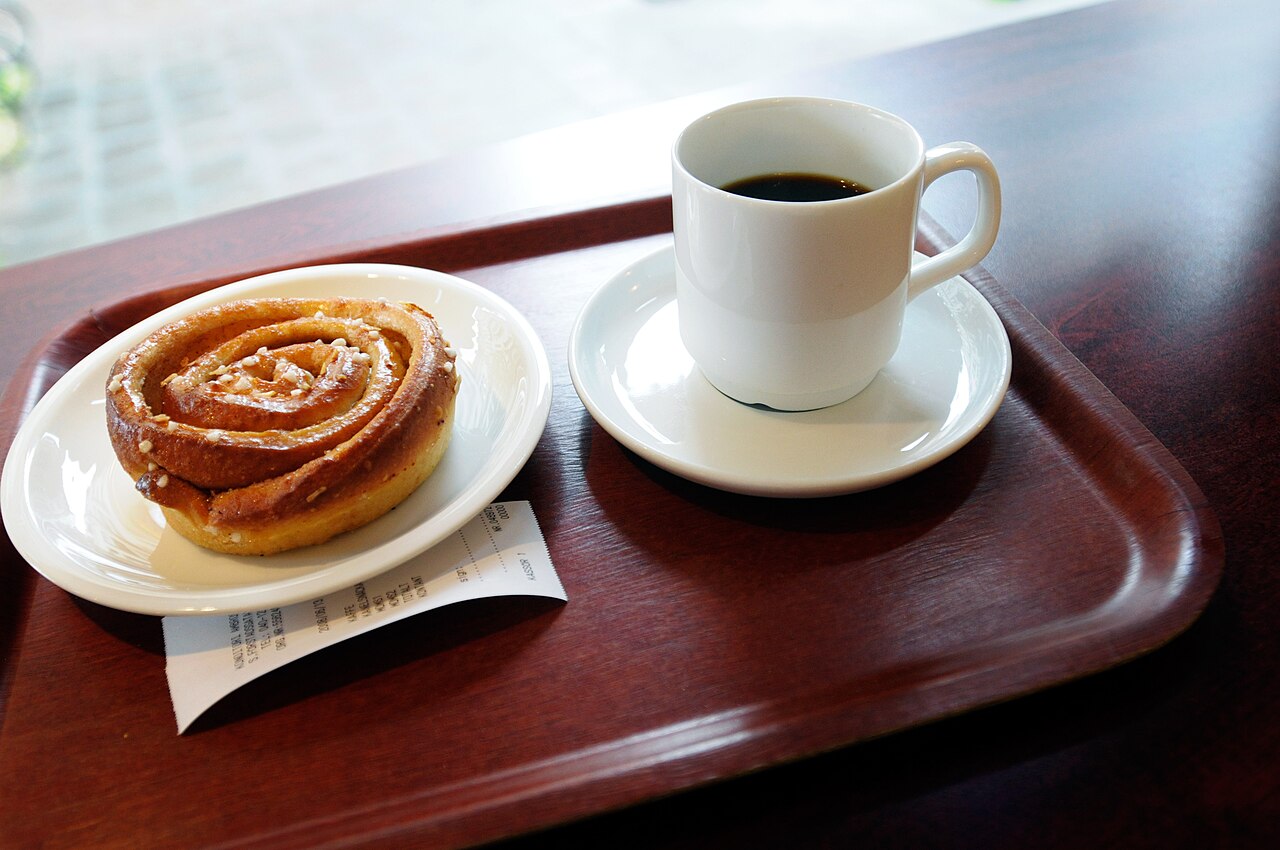
Coffee was prohibited five times from 1756 until the early 1820s; penalties included confiscating cups and dishes and, later, possible prison.
The Ottoman coffeehouse bans
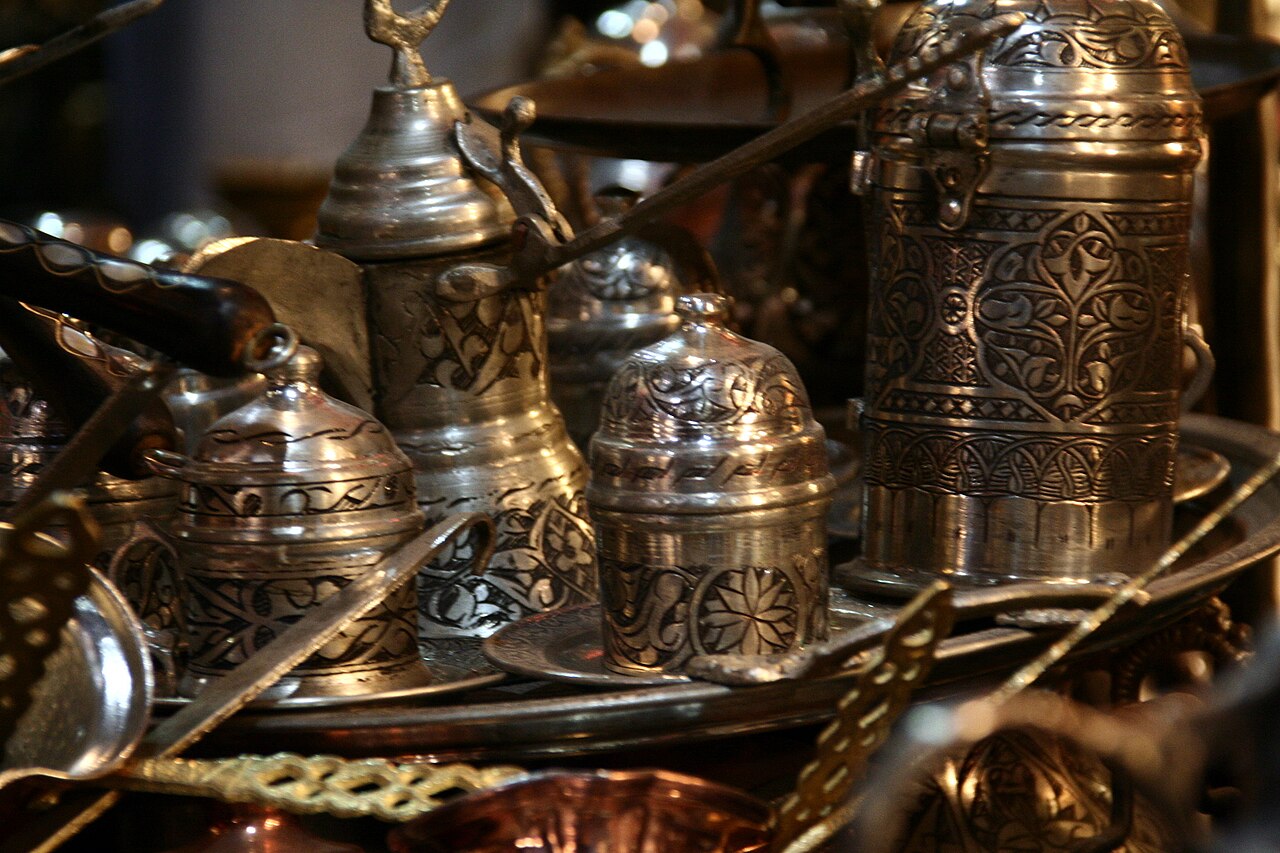
Coffee faced fatwas and bans under Murad III (1574-1595), later lifted. After the 1633 fire, Murad IV banned coffee and tobacco, and Istanbul's coffeehouses stayed shut until the reign of Mehmed IV.
Penny universities
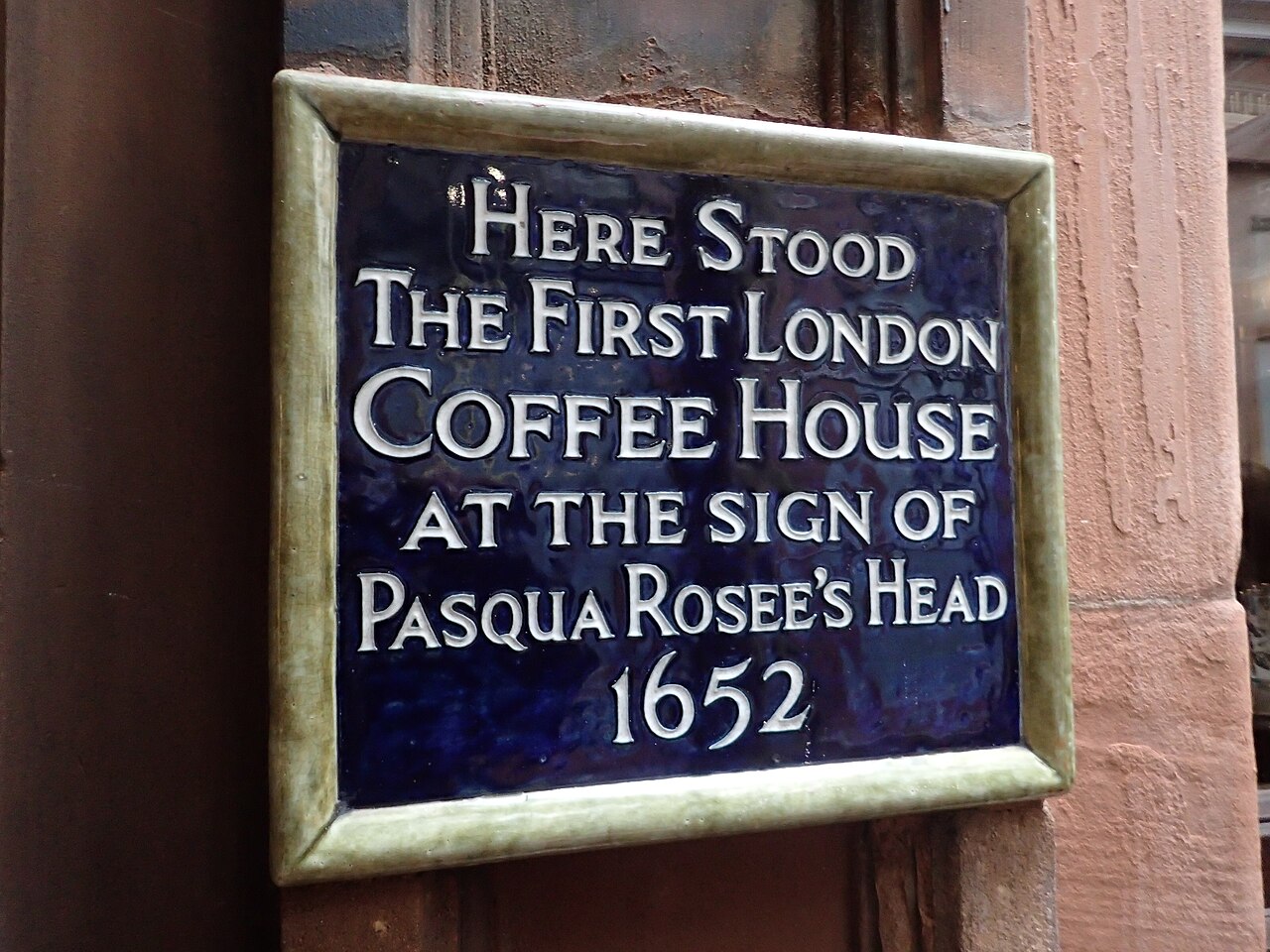
Early London coffee houses where a penny bought a cup of coffee and access to conversation and news.
Lloyd's coffee-house 'boxes'
Tables rented to men who sold ship insurance in Lloyd's coffee house; the trade grew into the Lloyd's insurance market.
Fading
Still practised somewhere, by fewer people every year.
Šiš roasting
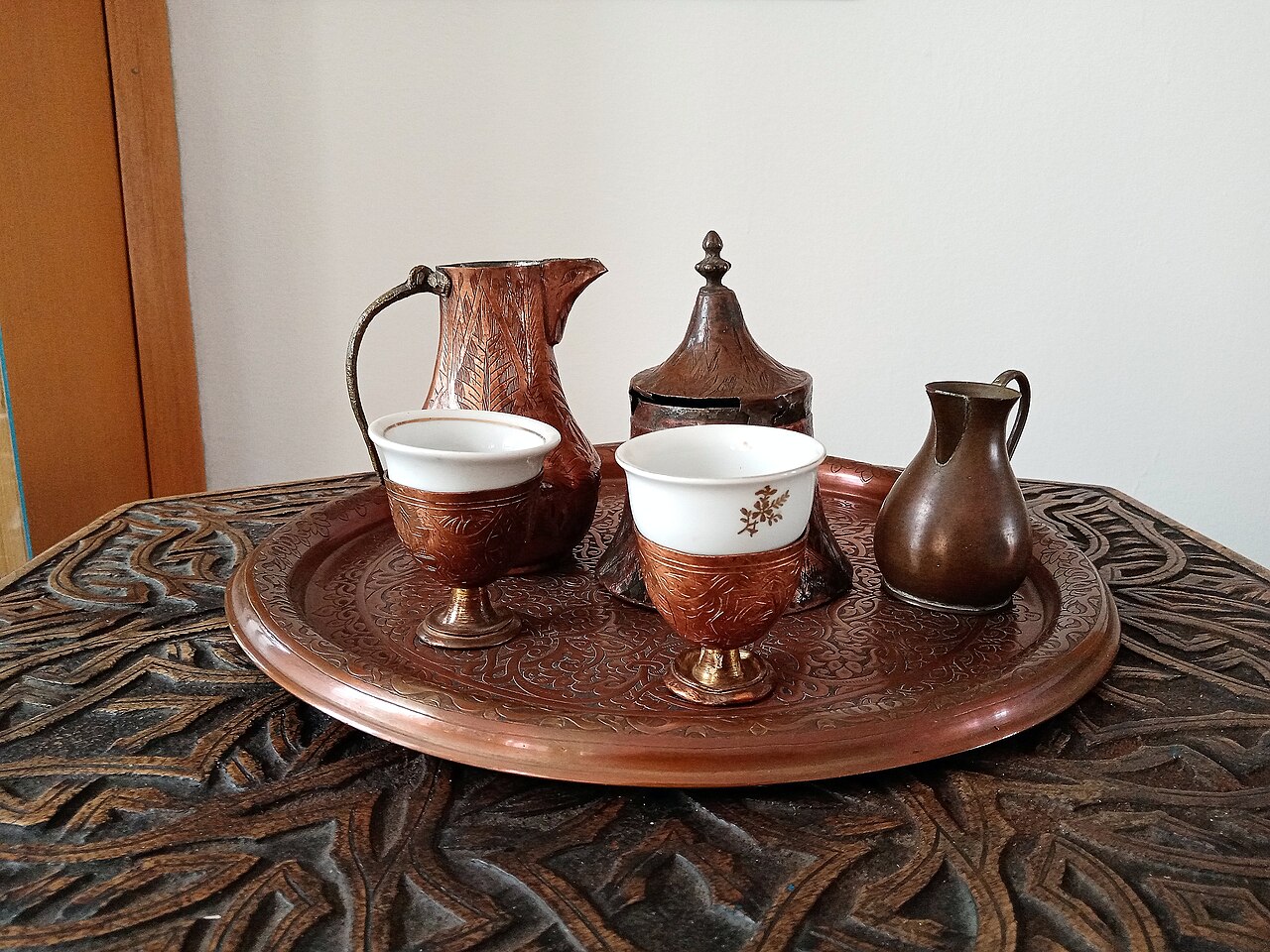
Coffee was once roasted in a metal cylinder or pan called a šiš; Sarajevo's Tahmis guild roasted and sold coffee near the Emperor's Mosque. The practice is nearly extinct.
Sugar-cube dipping
Drinkers dip a piece of sugar into the coffee and eat it while sipping; it is now mostly done at home, though a few cafés keep it alive.
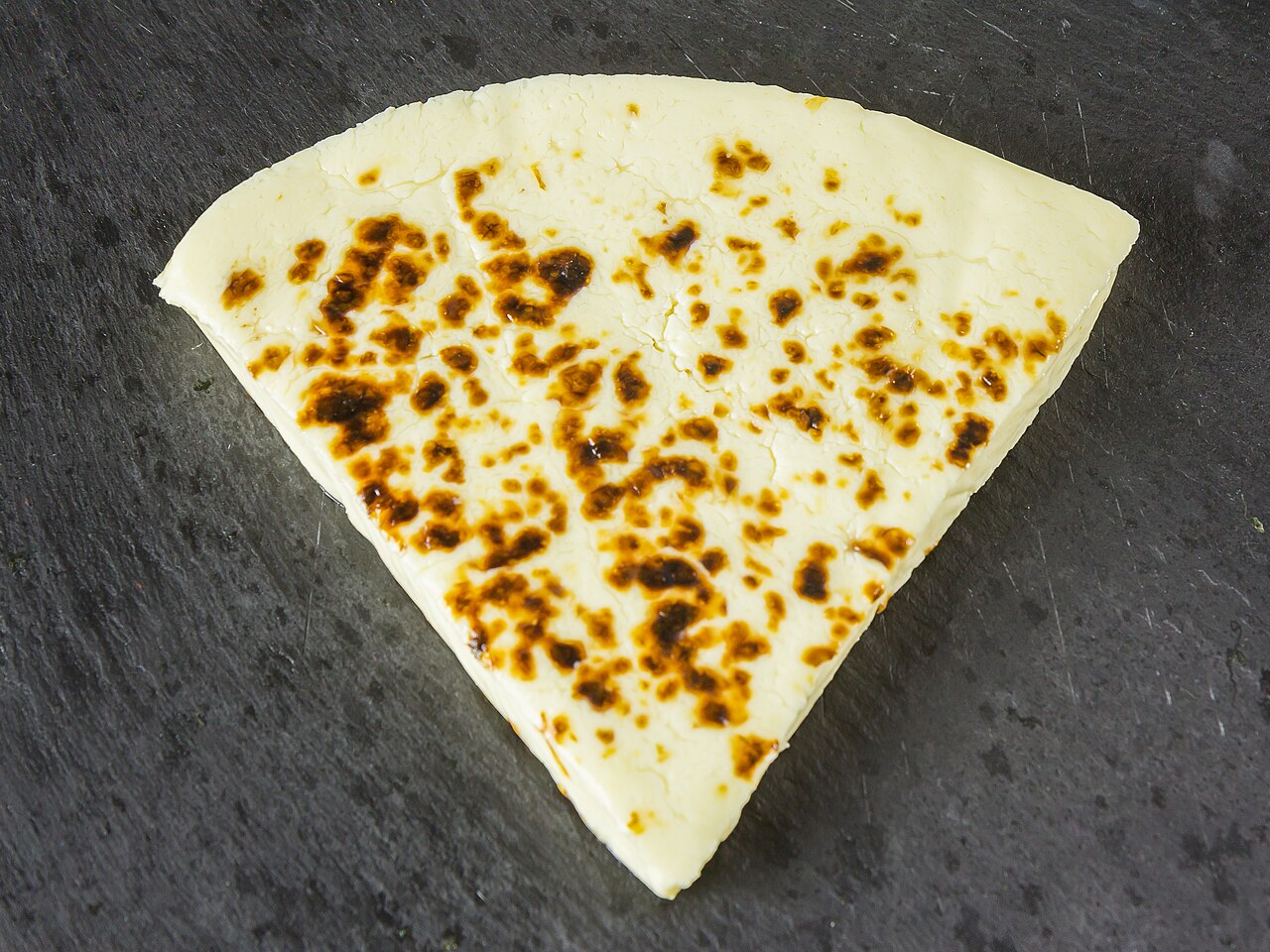
Traditional farm leipäjuusto
Made from the milk of a recently calved cow, dried and stored for years, then warmed by the fire before eating. Mass-produced versions have largely replaced it; it is on Slow Food's Ark of Taste.
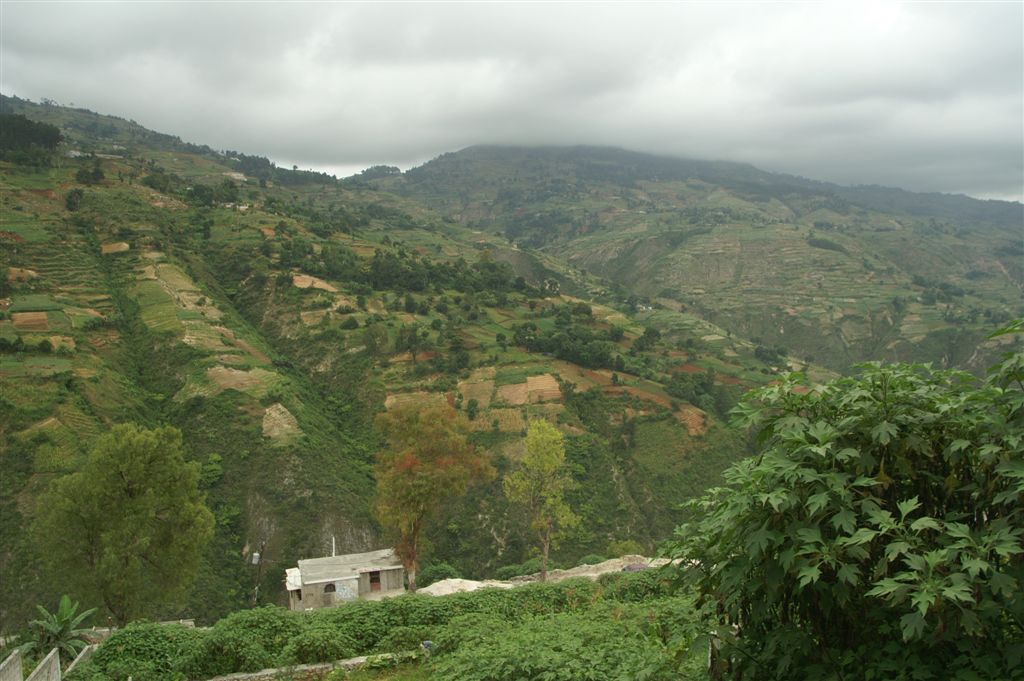
Haitian colonial Typica
A colonial-era arabica Typica, praised for flavour, was the only variety grown in Haiti until 2012. Bark beetle, rust, low prices and state withdrawal have pushed farmers toward catigua and blue mountain varieties.
The kissaten
Neighbourhood coffee houses with siphon brewing and long hours. Many have closed since the late 1990s because of chains, low margins and owners retiring with no one to take over.

Street coffee from clay pots
In the 1800s women sold coffee on Mexican streets from clay pots set over small fires. By the mid-20th century most women made café de olla at home morning and night, but today many kitchens use instant coffee instead.
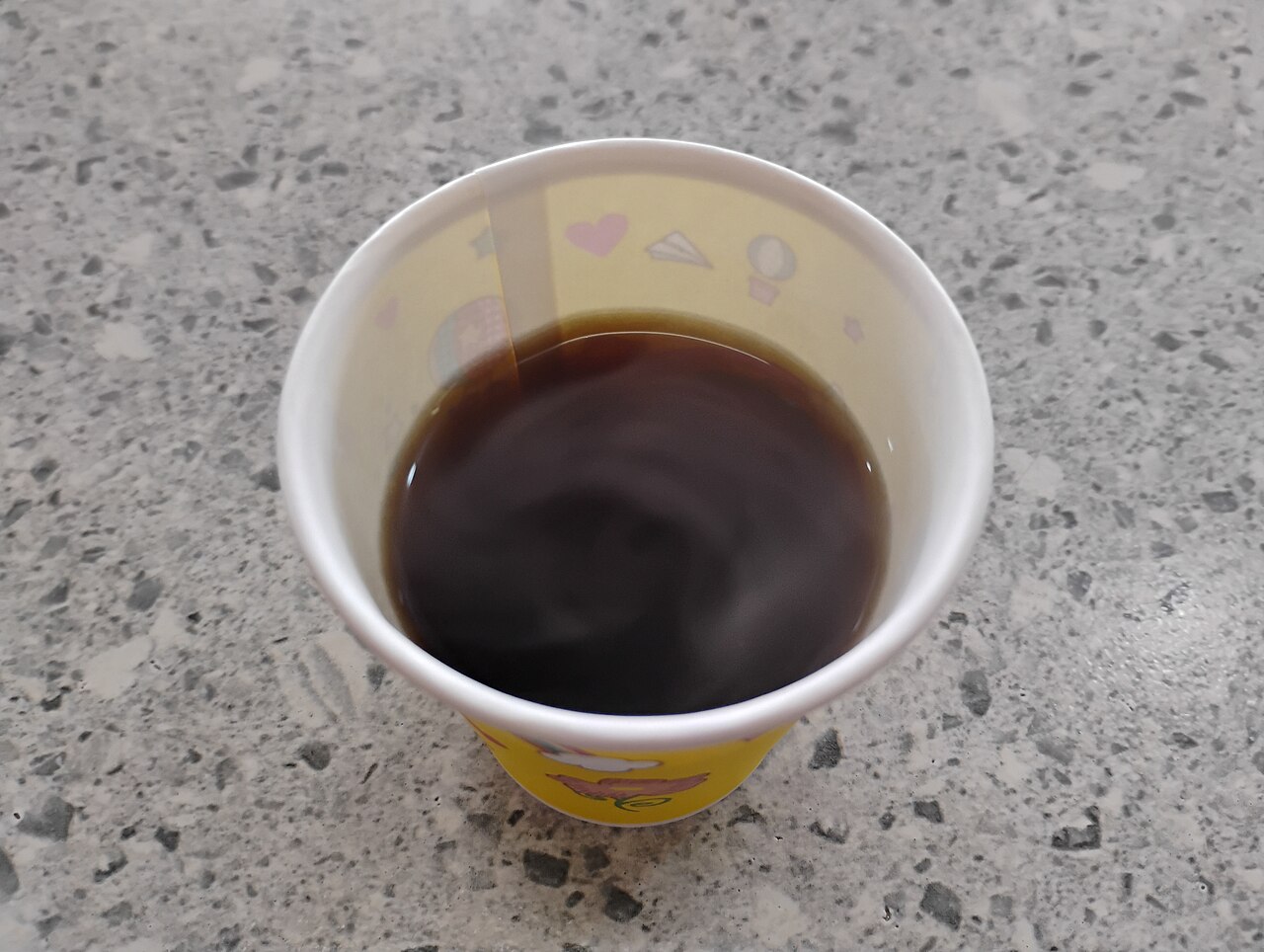
Barako, the boar coffee
Liberica trees grow up to 20 metres tall and bear large, hook-shaped beans. Barako makes up less than 1 percent of commercial coffee, and many farmers have replaced it with robusta.
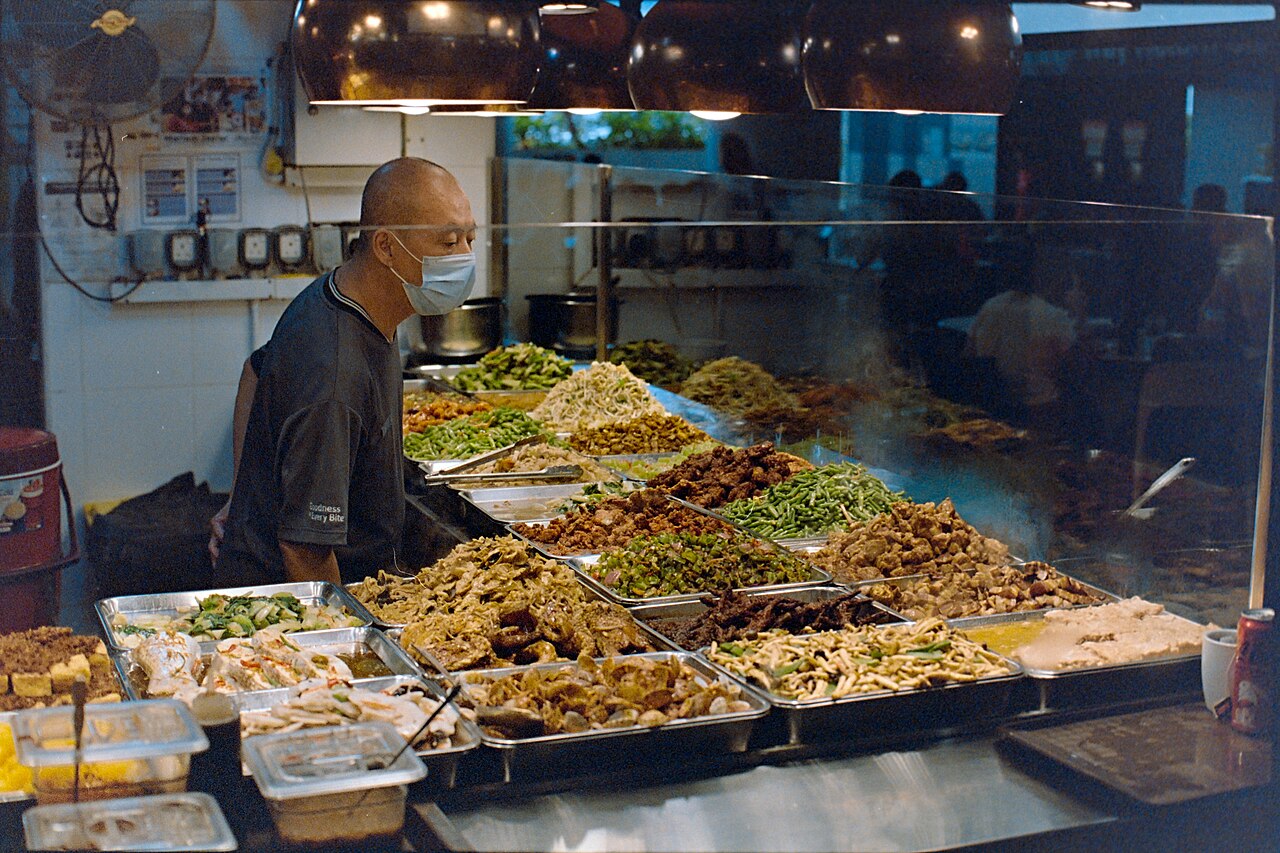
Kopi with butter
A cup of kopi topped with a slab of butter. Heap Seng Leong is described as one of the few traditional coffee shops still serving it.
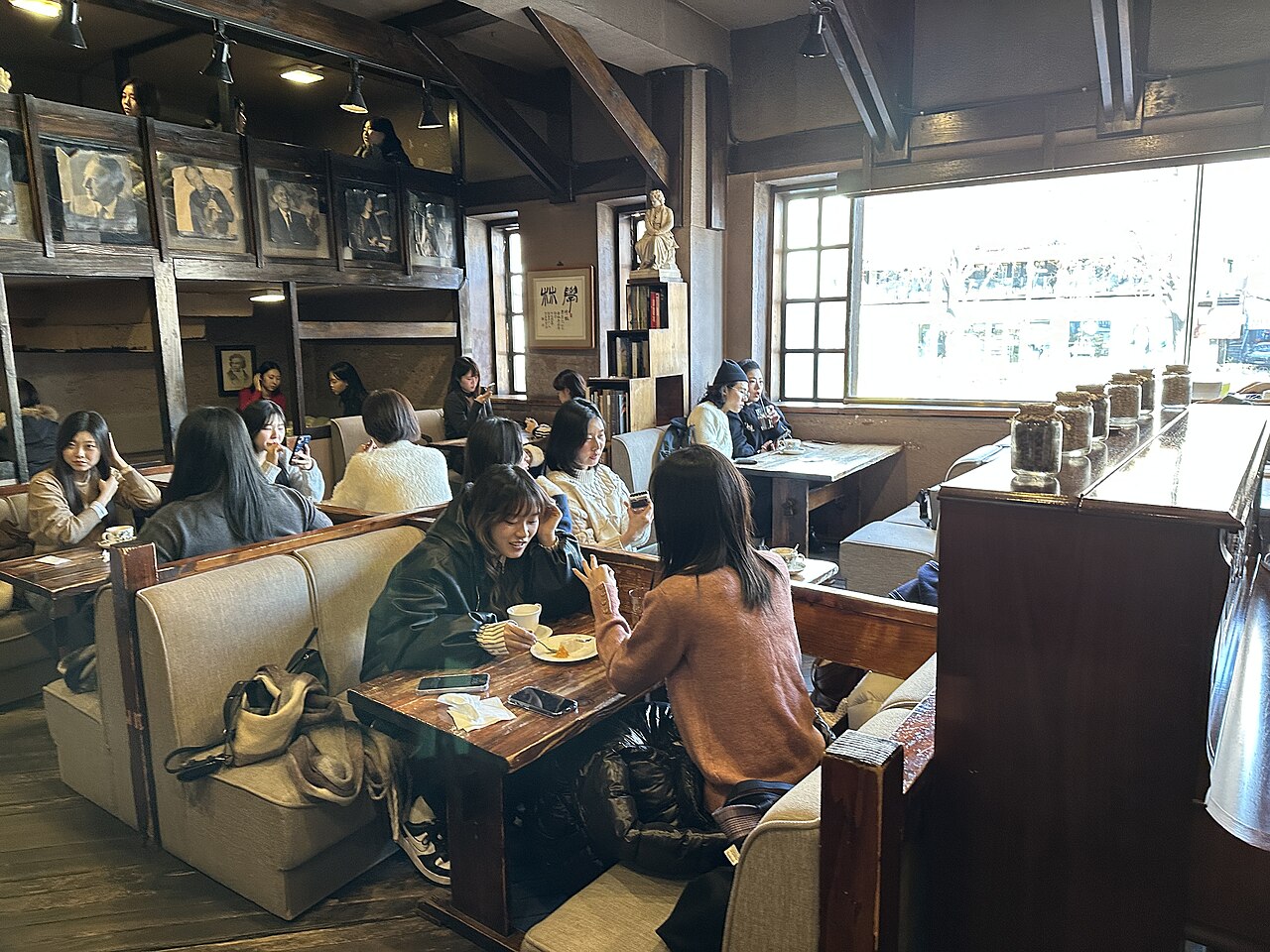
The dabang
Tearooms that served as artists' salons in the 1930s and music rooms with DJs in the 1970s. They peaked at about 45,000 in 1992 and have since been largely replaced by cafés.

Amwani: smoked, chewed coffee of the Haya
Unripe robusta cherries were boiled with herbs, smoked for several days and chewed whole. Coffee had a ceremonial role in greetings, royal tributes and religious rituals.
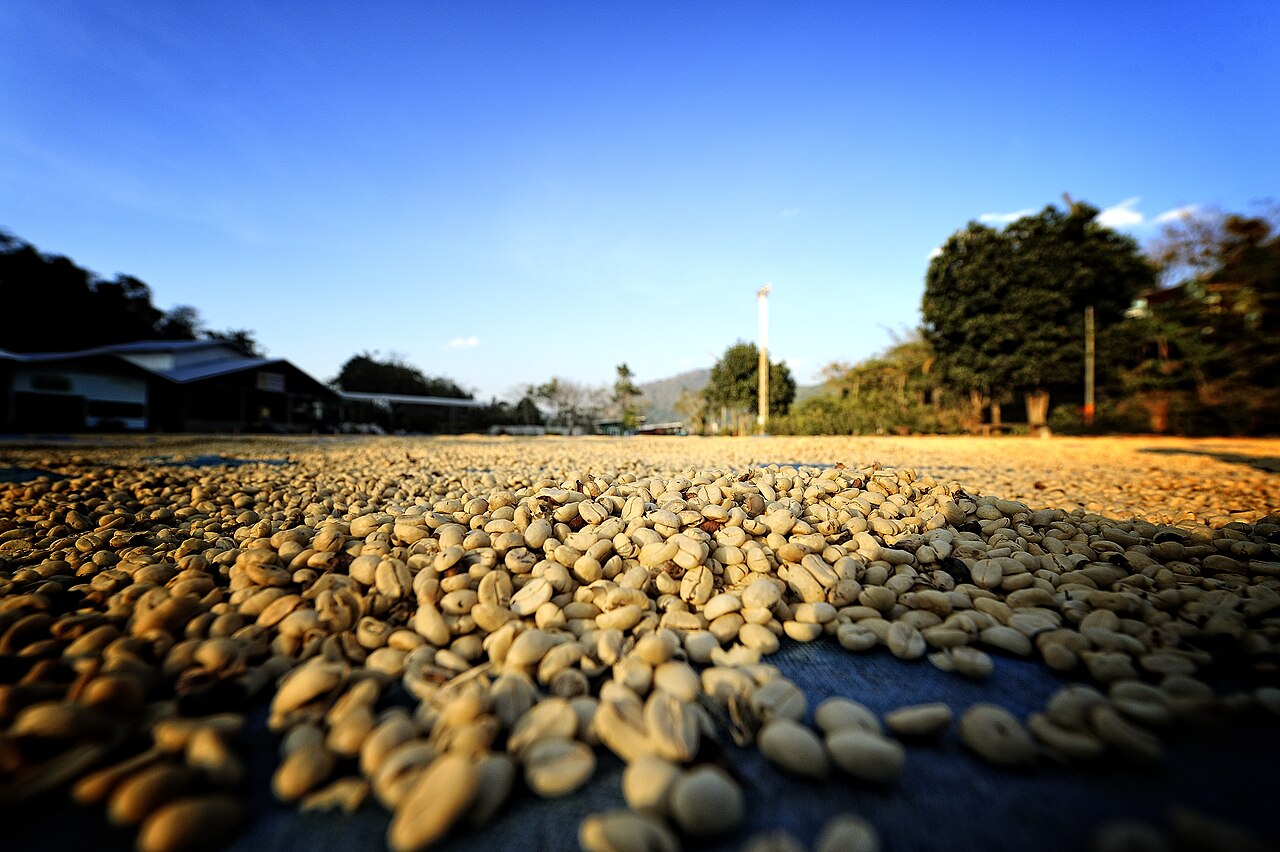
Grain-stretched Thai coffee
Traditional Thai coffee was often blended with roasted grains such as beans, wheat and corn.
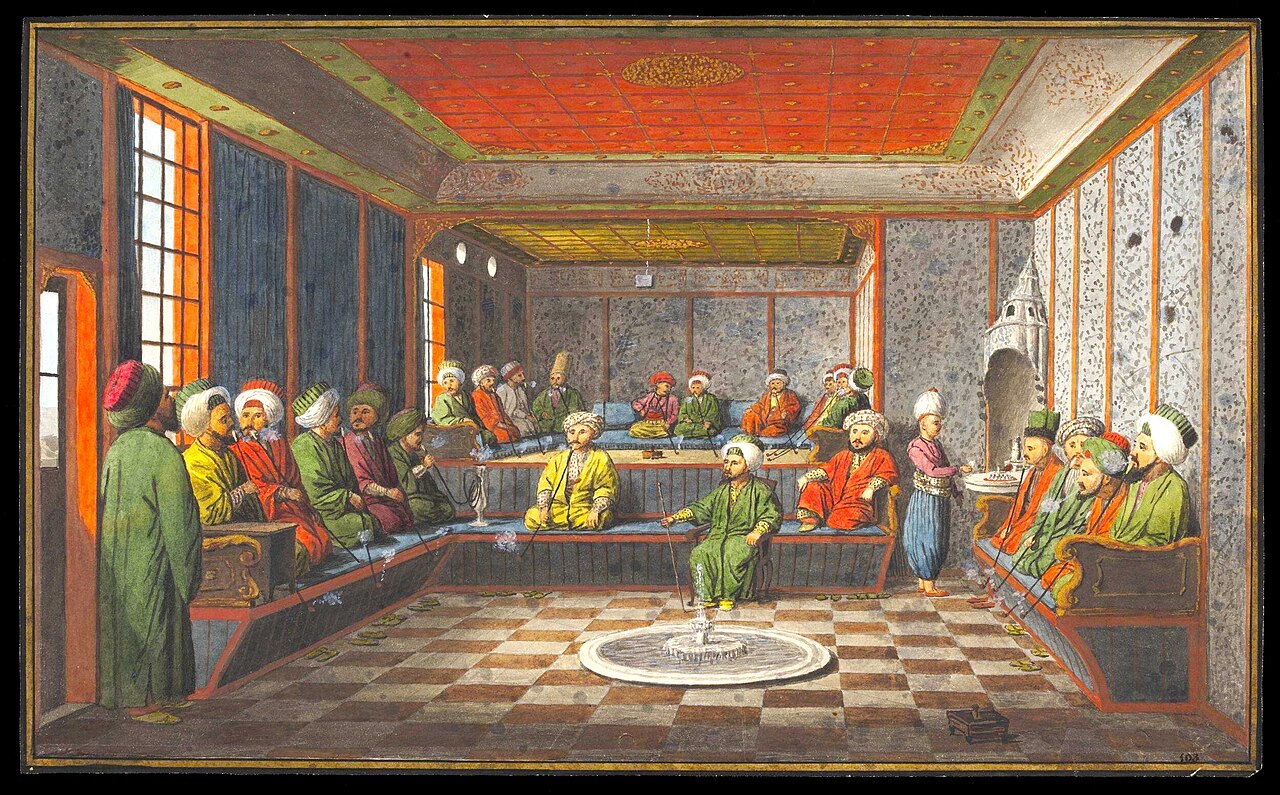
Coffeehouse storytellers and shadow plays
Some Ottoman coffeehouses hosted meddah storytellers, orta oyunu comedy and Karagöz shadow plays, often with political satire; some were called kıraathane, reading houses.
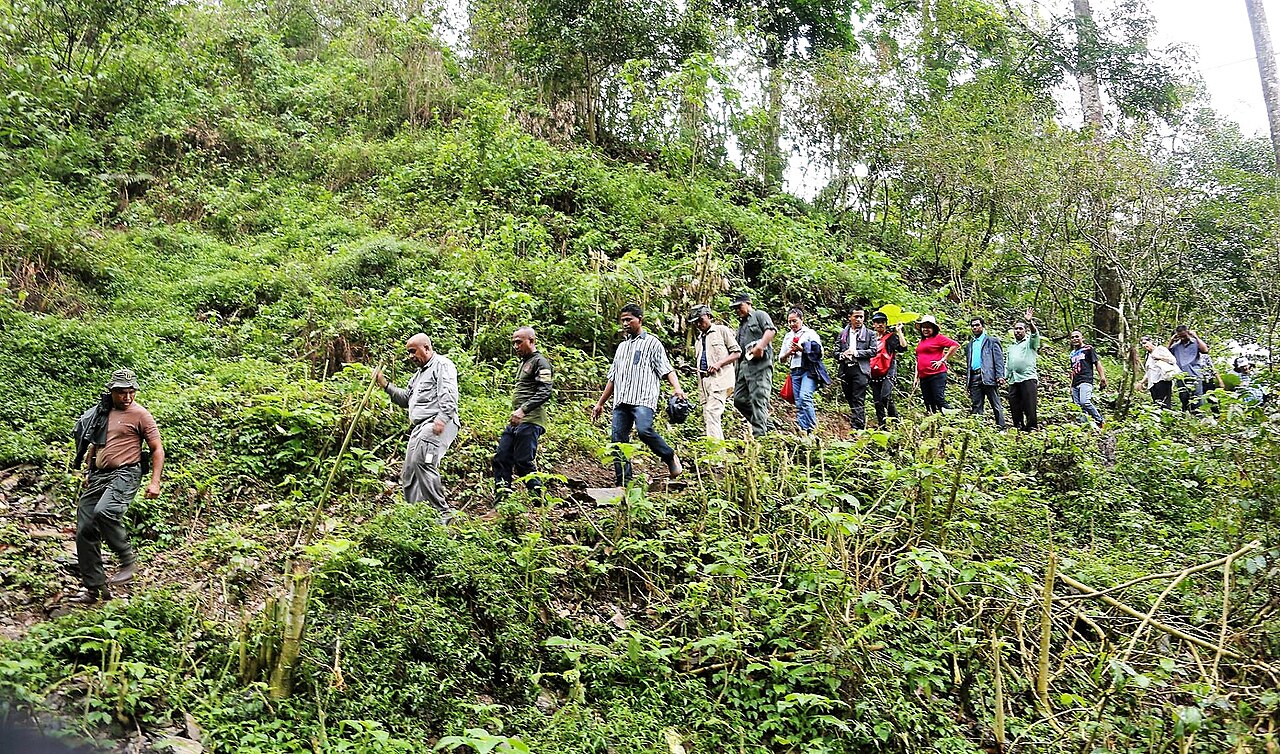
Original Hibrido de Timor
The original hybrid trees now grow semi-wild on abandoned farms. Slow Food lists them as at risk because little is known about their genetics, young people are leaving farming, and instant coffee is spreading in Dili.

Robusta as a token of brotherhood
Coffea canephora was used as an emblem of brotherhood and deep friendship and still features in some Buganda marriage ceremonies. Early use of robusta was mainly local chewing and cross-border trade rather than brewing.
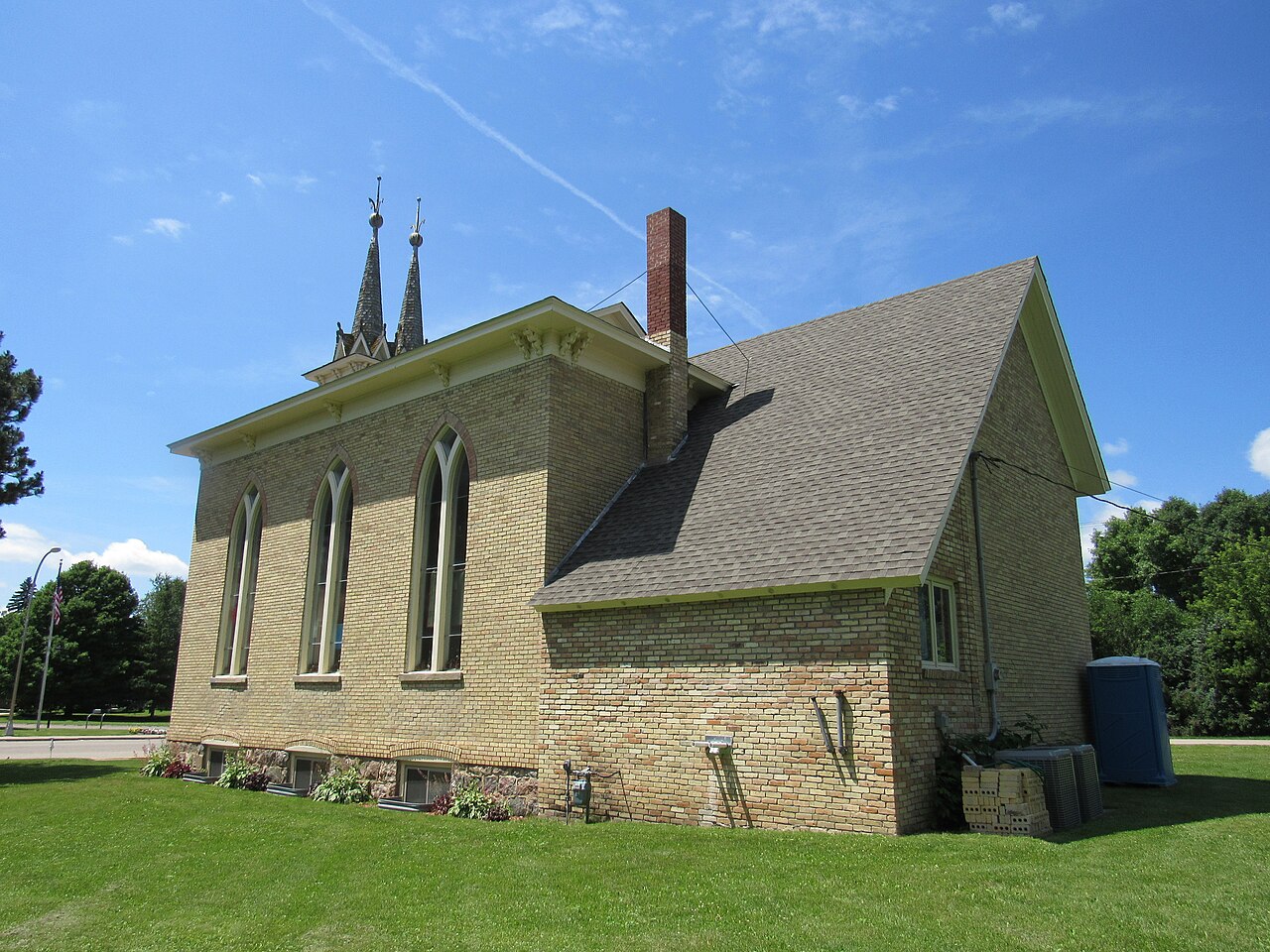
Church basement egg coffee
A Swedish- and Norwegian-American way of clarifying boiled coffee with egg. Demand has dropped as the community that drank it has aged.
Revived
Nearly lost, then brought back.
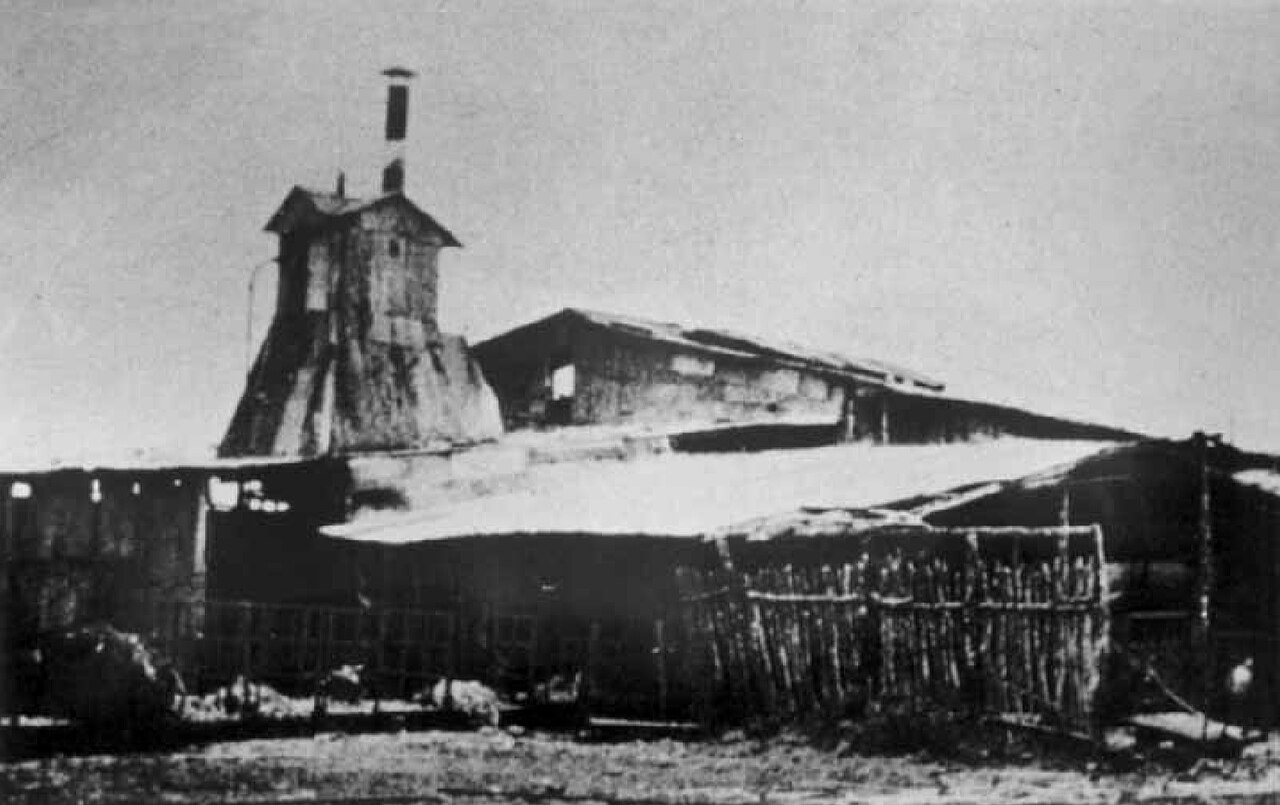
Feral Bourbon of El Progreso
Bourbon coffee planted on Cobos's San Cristóbal estate went wild after his death in 1904. Since 1990 a local family has been restoring the old trees, some said to be over 140 years old and still bearing fruit.
Japanese family coffee farms
The Kona Coffee Living History Farm shows the Uchida family farm, Japanese immigrants from Kumamoto, as it was in 1925 to 1945. It has a coffee mill, drying platform (hoshidana) and pack donkeys.

Monsooning
Coffee once changed colour and flavour in the damp holds of sailing ships that took months to round the Cape of Good Hope. Faster shipping ended that. Curers on the Malabar coast now spread, rake and turn beans in ventilated warehouses during the June to September monsoon, so the beans swell and turn pale gold.
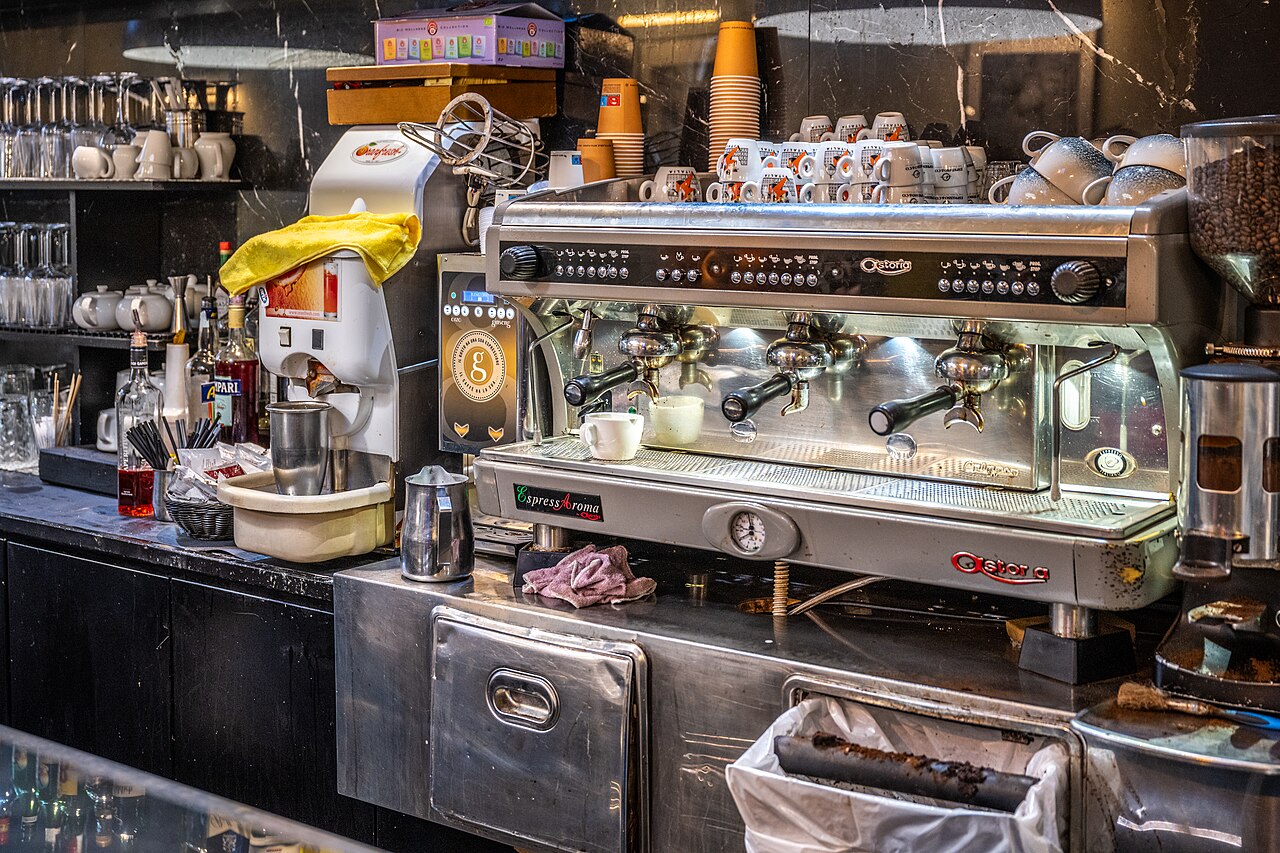
Caffè sospeso
A Naples charity custom of prepaying a coffee for a stranger. It faded after the war, was found obsolete in some bars in 2008, then revived from 2010–2011 and spread abroad from 2013.

Coffea ambongensis, lost for 158 years
First collected in 1841 but never described, it was rediscovered in 1999 and published as a new species in 2008.

Bonin Typica
Pre-war Typica trees survived untended on Chichijima and were brought back into cultivation by descendants of the original growers.

Geisha's rediscovery
A variety planted in Panama for rust resistance and then ignored for decades was rediscovered for its cup quality at Hacienda La Esmeralda in 2004.
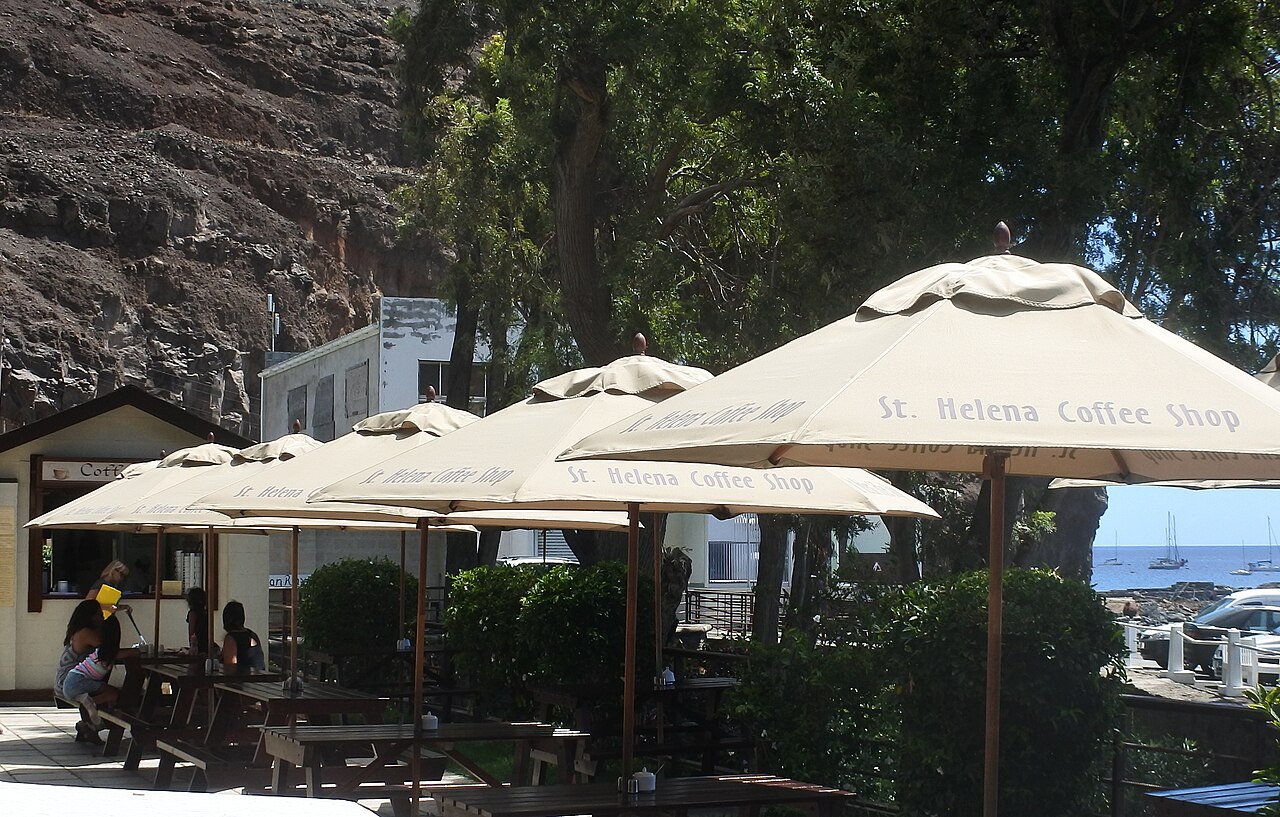
Feral Green-Tipped Bourbon trees
Coffee brought from Yemen in 1732 went feral on the island; ancient trees up to 10 m tall survive alongside new plantings such as those at Rosemary Gate.
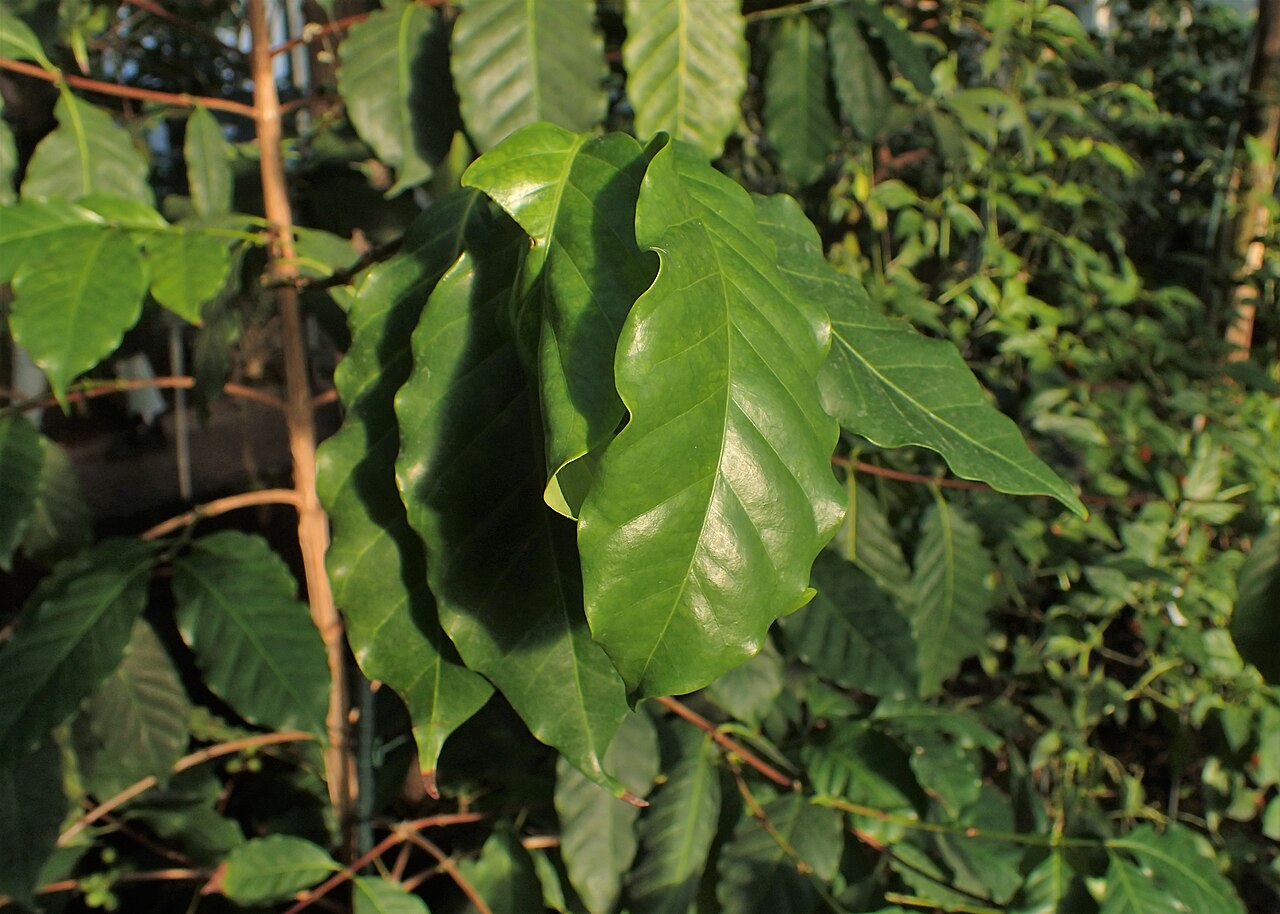
Coffea stenophylla, the forgotten 'best Mocha'
A West African coffee species once prized above Arabica and sold in France as 'best Mocha'. It dropped out of the record in 1954 and was rediscovered in the wild in Sierra Leone in 2018.
Yi Sang's Swallow Teahouse
Jebi Dabang, run by the poet Yi Sang, was a meeting place for writers during the Japanese occupation. It was recreated in his former home in 2012.
Still alive
Rare outside home, but very much alive where they belong.
Sikteruša
A coffee served as a subtle sign that guests should leave, one of several named coffees for different times and occasions.

Zhukula's mission coffee
Villagers in Zhukula kept growing coffee from the missionary trees for their own use. Zhukula coffee is now a protected geographical indication.
Yipao jeep parade
Willys jeeps arrived in Colombia in 1946 and coffee farmers adopted them as 'mulitas mecánicas' (mechanical mules) for hauling coffee on mountain roads. Since 1988, Quindío has held the Yipao, a parade of jeeps loaded as high as possible with coffee, furniture and farm goods. In 2006 a caravan of over 370 Willys in Calarcá set a Guinness record.
Oxcart coffee haulage and painted carts
Oxcarts with spokeless wheels carried coffee to Puntarenas in the mid-1800s. Painting the carts began in the early 1900s, with patterns that showed a driver's home region. UNESCO inscribed the tradition in 2008.
Ration coffee with peas
Cuba's subsidised ration-book coffee has been blended with roasted peas since the 1980s. Pure coffee returned in 2005, but peas came back in 2011. One older Cuban recalled that the real trouble came when peas ran out and corn was used.
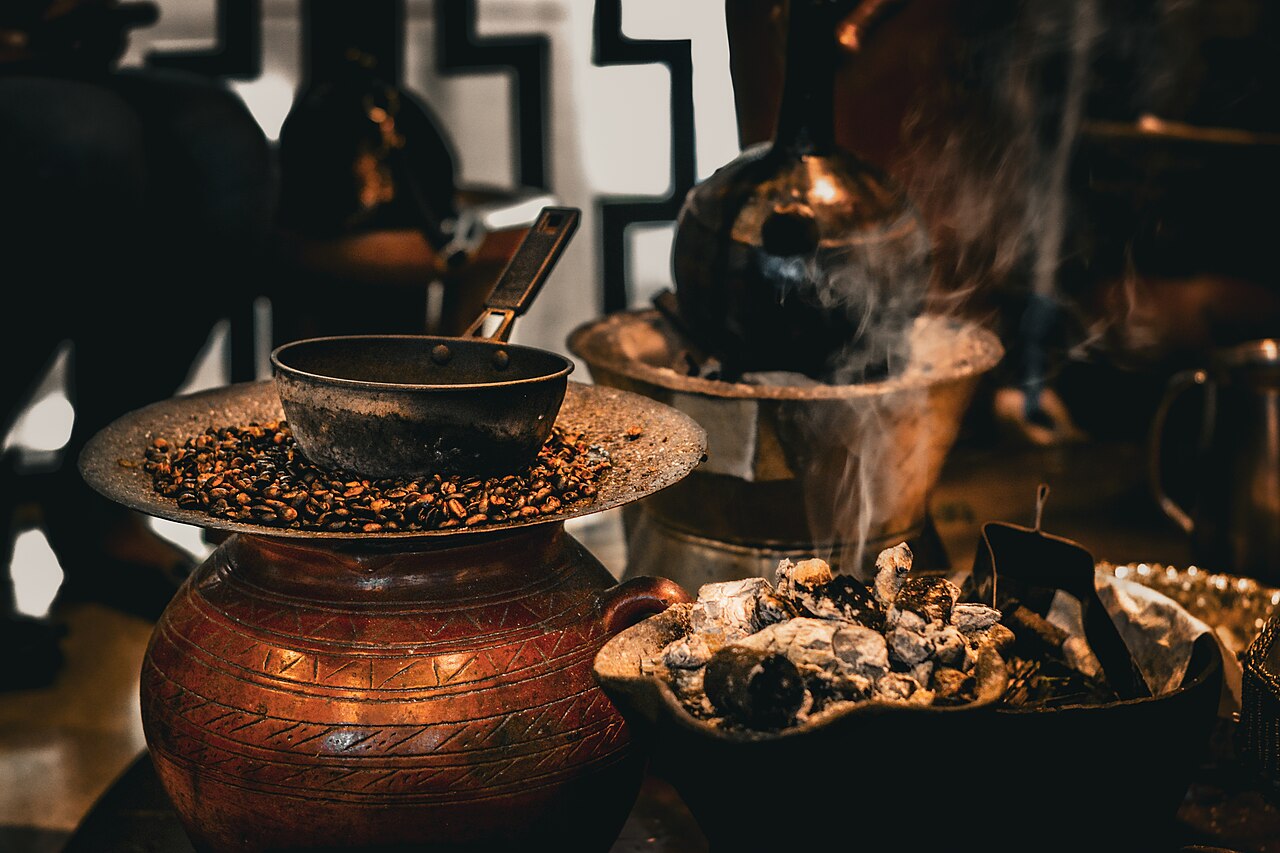
The coffee cabinet (bun aremadeyo)
A low cabinet holds the coffee set, with a matching cabinet for the fire. Each is unique, many women decorate theirs with LED lights and stickers, and in Eritrea a woman often receives one as a wedding gift.

Buna qalaa (coffee cooked in butter)
Among the Guji and in the Borana Gadaa system of Oromia, sun-dried whole coffee cherries are nicked at the tip, heated in butter in a clay pot, coated with boiled milk and chewed rather than brewed. The name is said to mean 'coffee slaughtering'. It is served at childbirth, naming ceremonies, weddings, reconciliations and the close of mourning.
Kuti (coffee-leaf tea) in Harar
In Harar, people have drunk an infusion of coffee leaves for hundreds of years. Beans were kept for trade and for ceremony, so kuti became the everyday drink of the Harari people, and some households kept rooms for storing leaves. The leaves are boiled for at least 30 minutes, sometimes with a pinch of salt, and sugar is added when served.
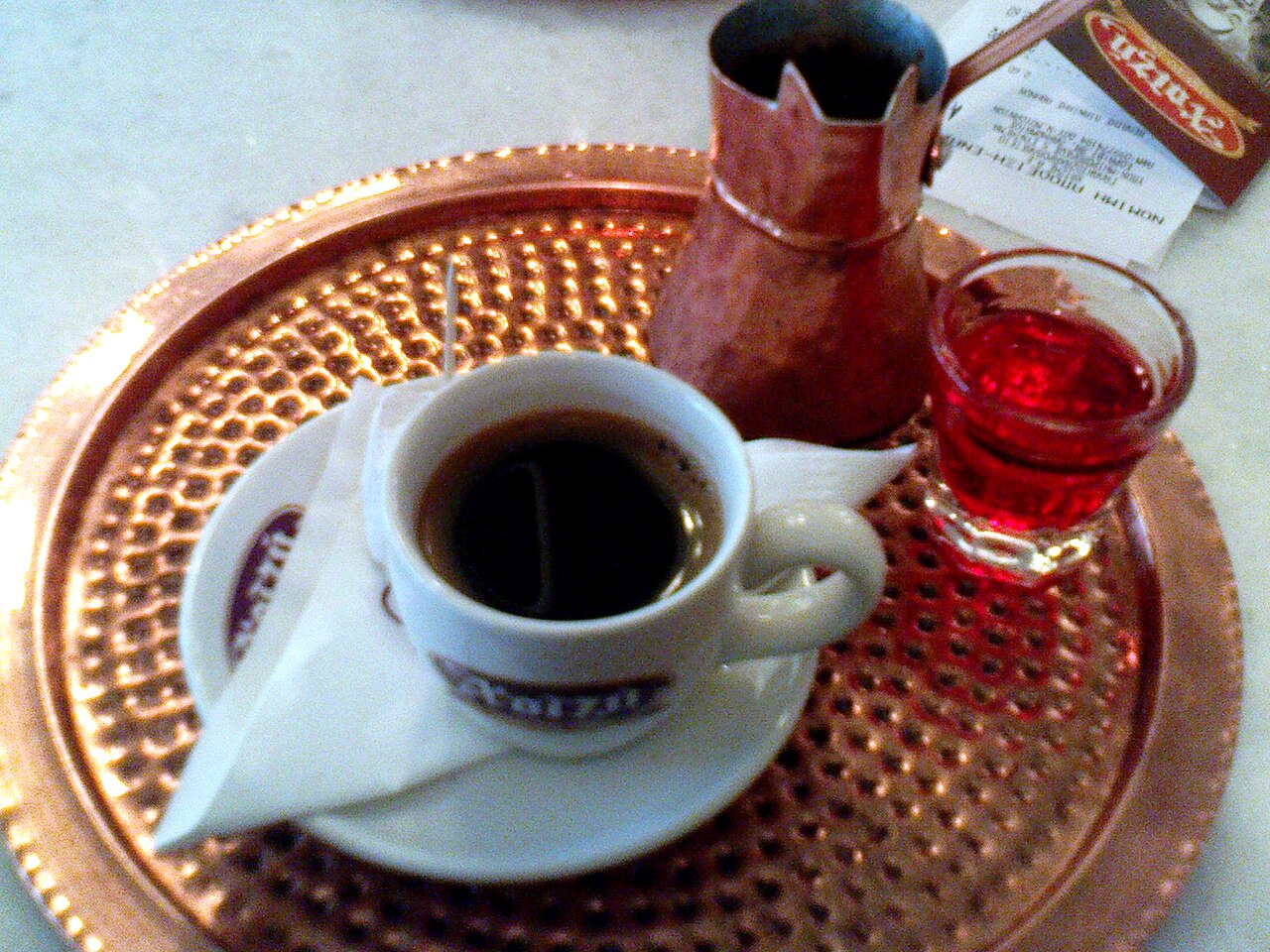
Reading coffee grounds
After drinking, the cup is swirled, a wish is made and the cup is turned upside down to read what the future holds.
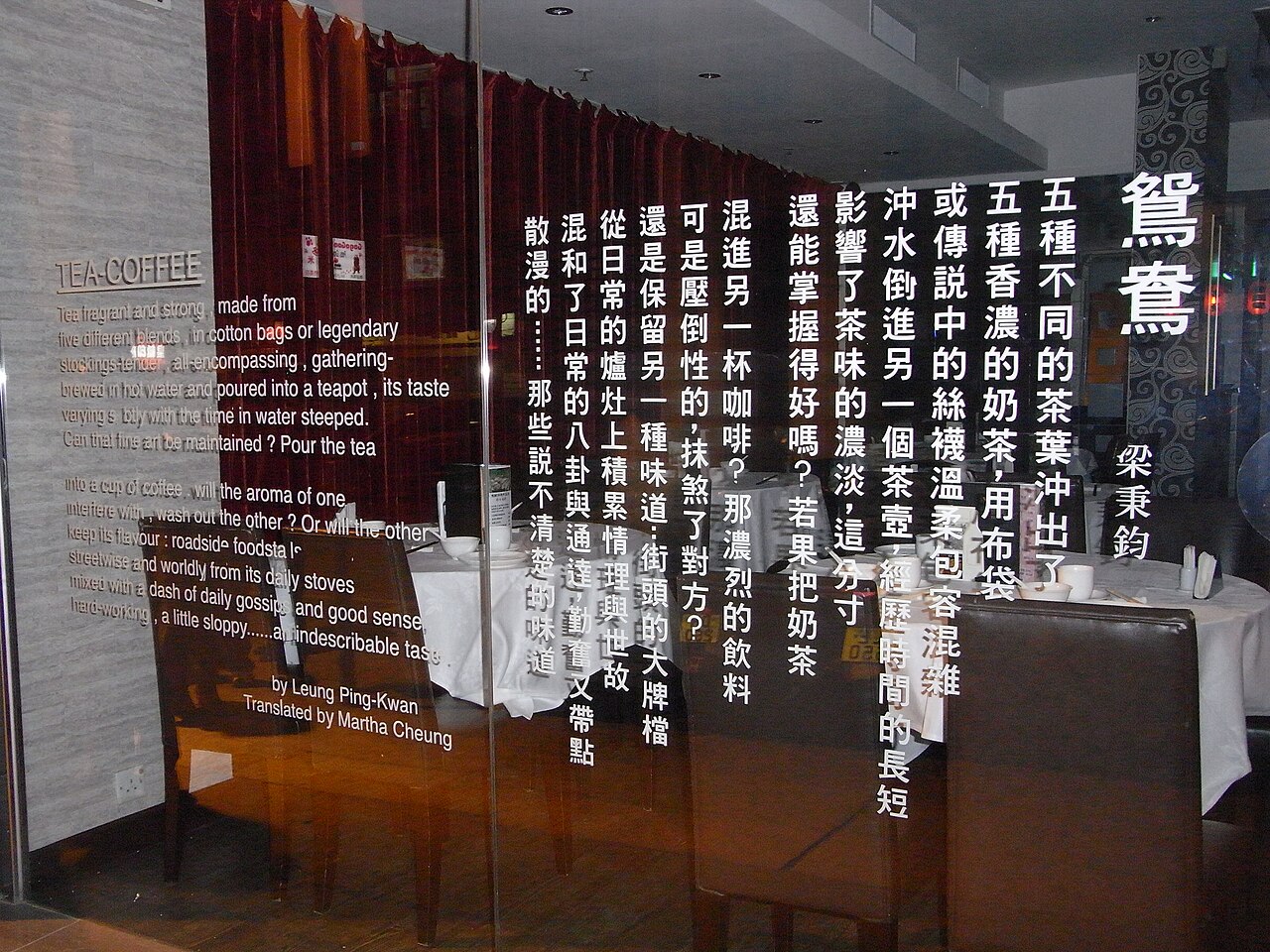
Silk-stocking milk-tea craft
The hand method of pulling tea through stained cotton bags with evaporated milk. It is on Hong Kong's intangible cultural heritage list, and a trade association has run competitions since 2009 to keep the skill alive.
The workers' Indian Coffee House
The Coffee Board opened coffee houses in the early 1940s, then closed them in the mid-1950s. Sacked workers took over the branches as cooperatives under A. K. Gopalan. The first Indian Coffee House opened in New Delhi on 27 October 1957, and the chain is still run by cooperative societies.

Charcoal coffee
At Angkringan Lik Man near Tugu Station in Yogyakarta, a piece of glowing charcoal is dropped into hot coffee. It is named for the hissing sound it makes. The stall stood inside the station from 1968 to 1972 before moving.
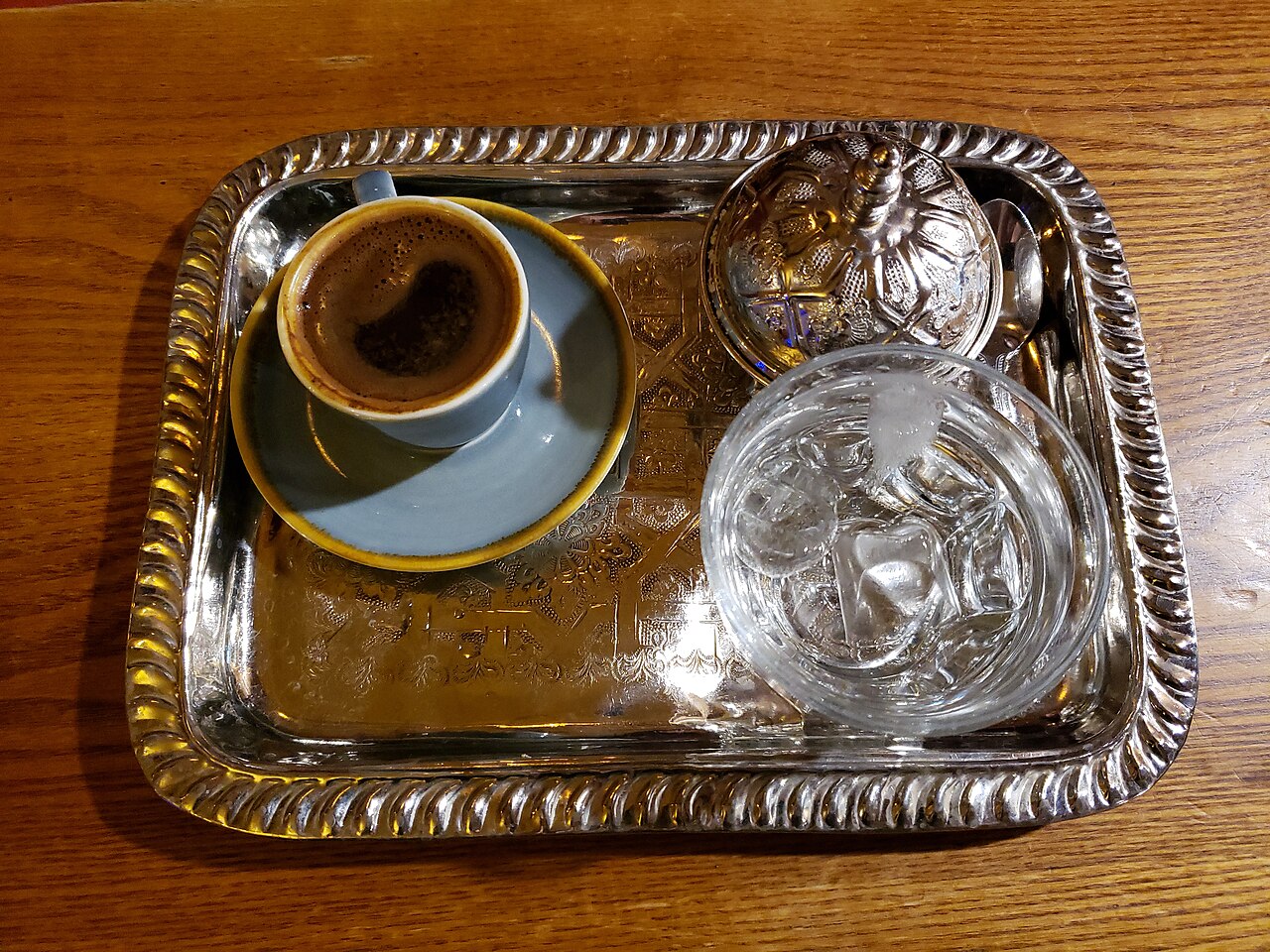
Coffee-cup reading
The drinker leaves a thin layer of coffee, covers the cup with a saucer, turns it upside down and waits about two minutes. A reader, often the host, interprets the shapes left by the grounds.
White coffee (ahweh bayda)
Boiling water scented with orange blossom water, with optional sugar, drunk after heavy meals. Despite the name it has no coffee or caffeine.
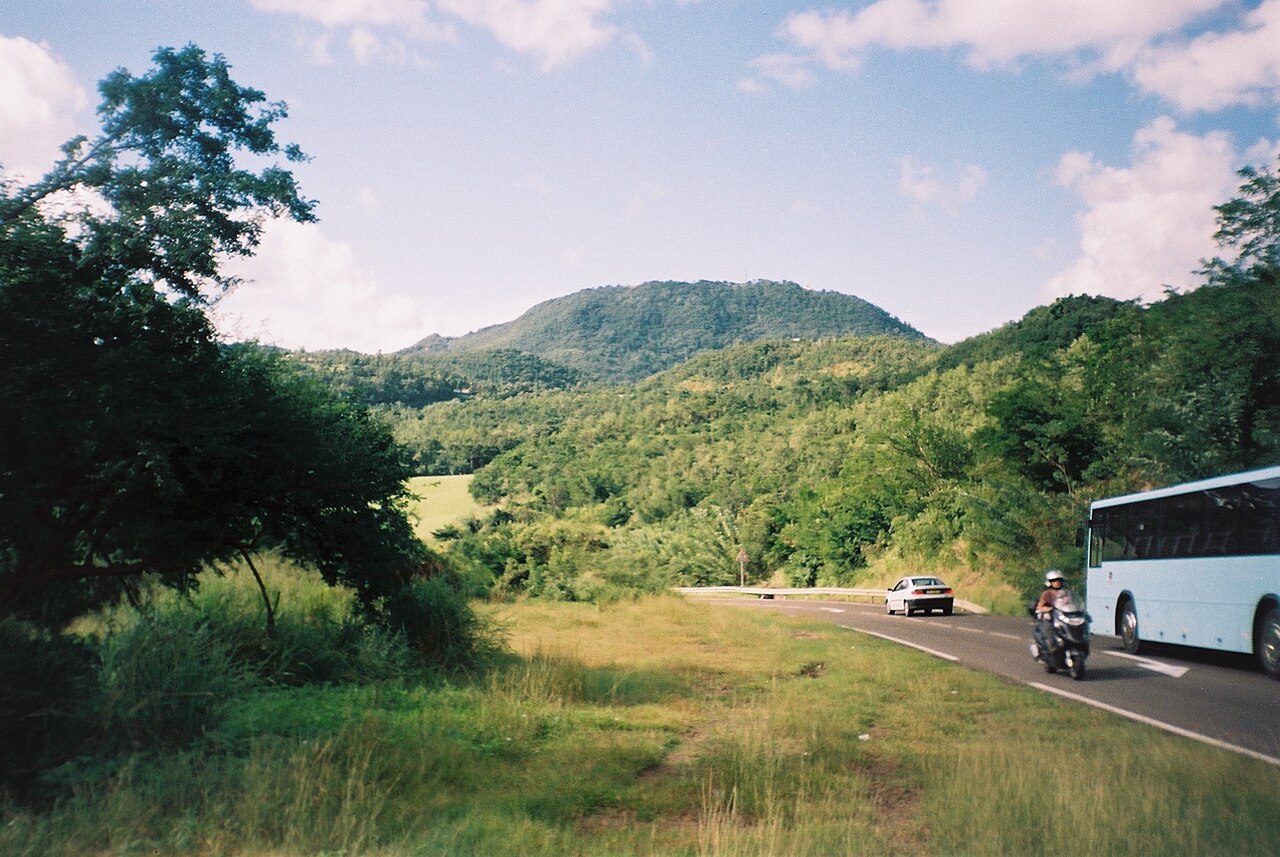
The de Clieu seedling legend
A founding story of coffee in the Americas, told by de Clieu himself in 1774. It is probably partly true but often embellished.
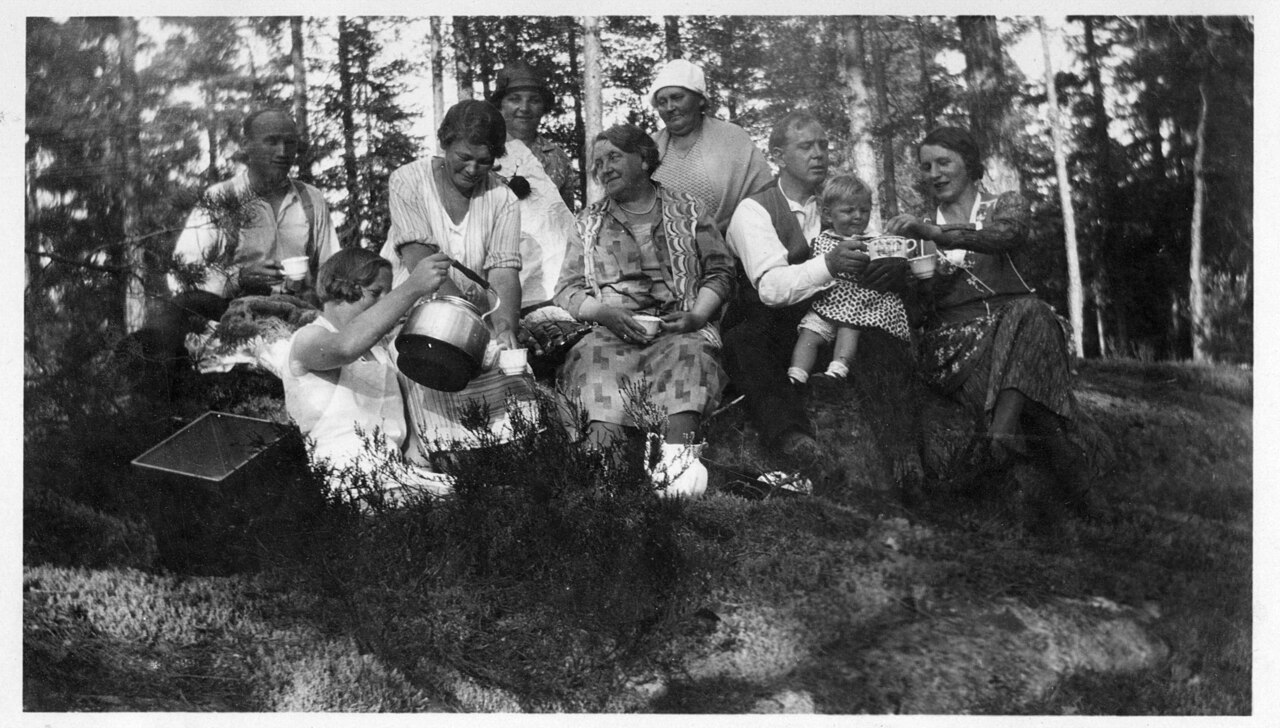
Hiking coffee
Turkaffe, coffee brewed over a fire or stove on a trip, is a long-standing tradition often passed down through families.
Coffee harvest festivals
Yauco's Festival del Café, first held in 1975, is the oldest coffee festival on the island. Adjuntas and Maricao hold the Fiesta del Acabe del Café at the end of harvest.
The cloth sock filter
A reusable cotton or muslin bag that became standard because metal and paper filters were too costly for daily use in colonial Southeast Asia.
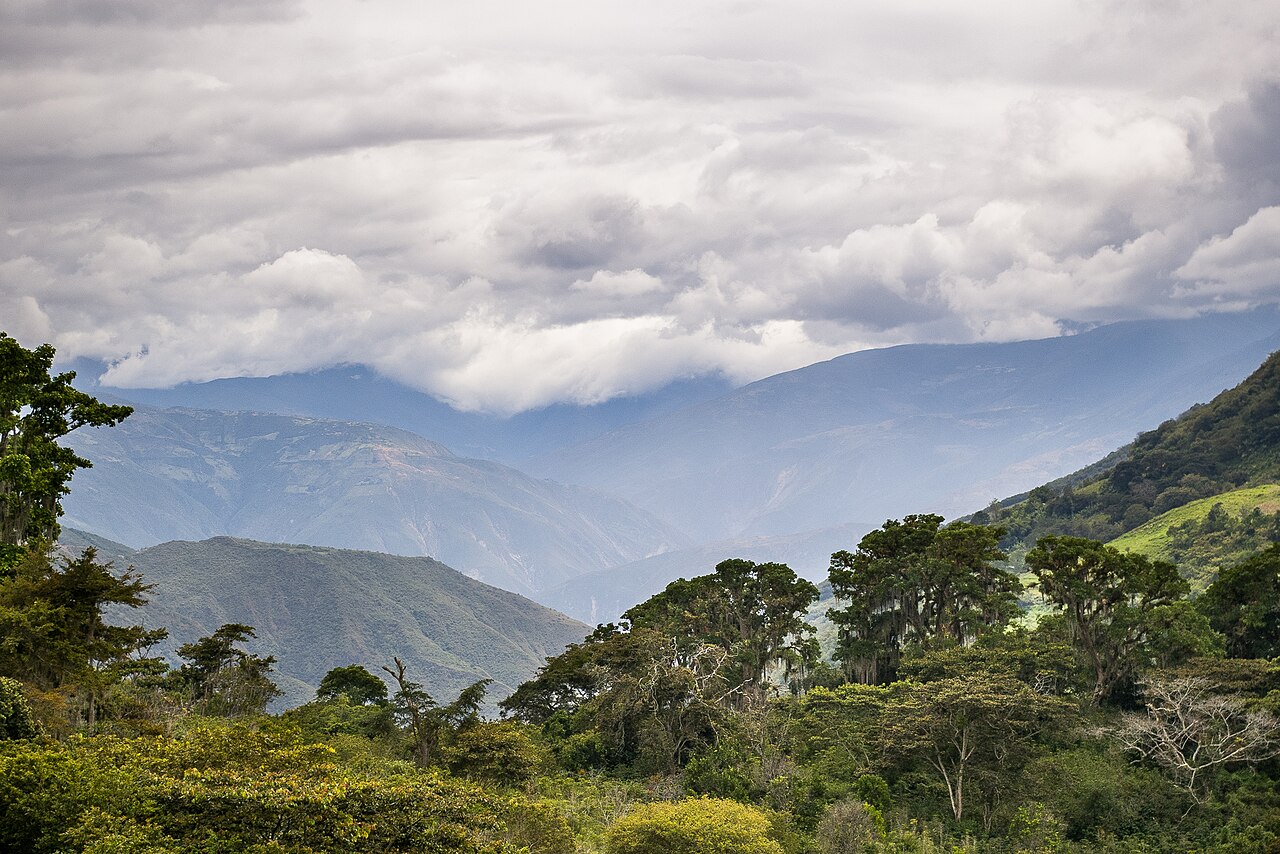
Guarapo
A very light coffee sweetened with papelón (unrefined cane sugar) instead of white sugar, associated with rural Venezuela.

Egg coffee (cà phê trứng)
Invented in 1946 by Nguyen Van Giang, a Metropole hotel bartender, when wartime Hanoi ran short of milk. Whisked egg yolk with sugar and condensed milk sits on top of phin coffee. The hot version comes in a cup set in a bowl of hot water to keep it warm.
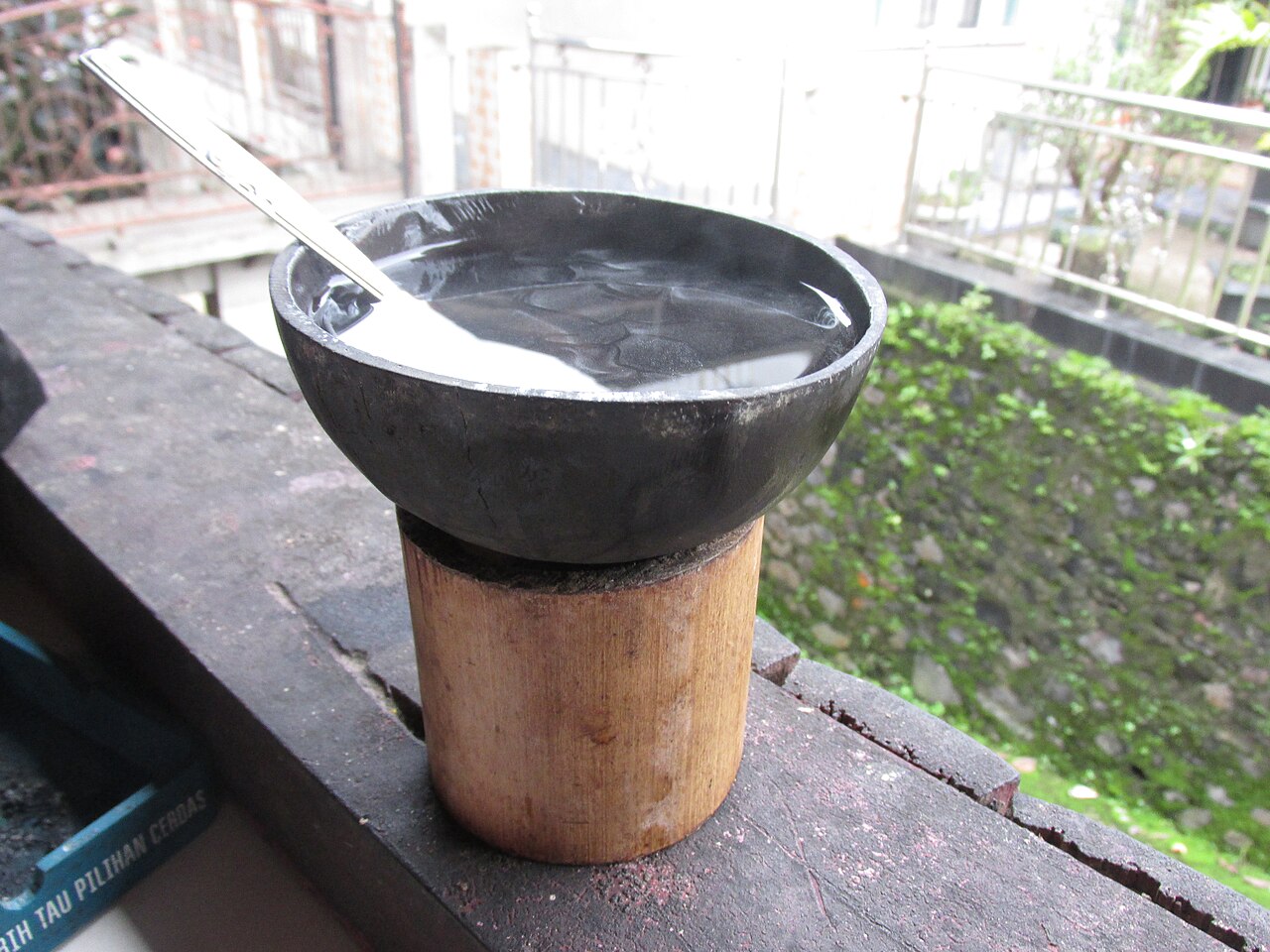
Kawa daun
A drink of roasted coffee leaves born, according to most accounts, when Dutch rules took coffee beans away from the people who grew them. It survives at roadside stalls in the highlands.

Smoke instead of pesticide
In Wadi al-'Udayn, farmers have used smouldering fires to smoke out coffee-cherry moth caterpillars rather than spraying pesticides.