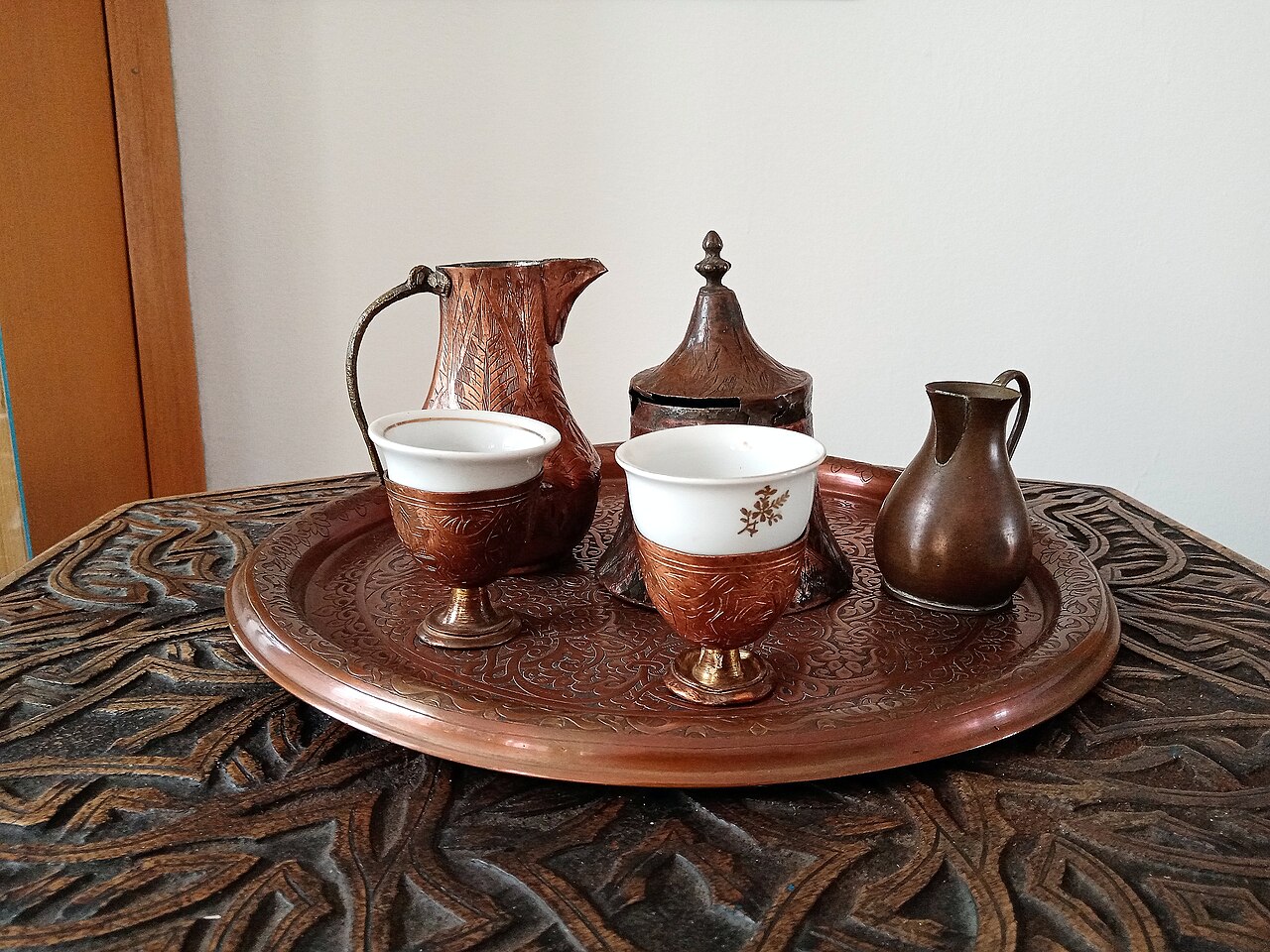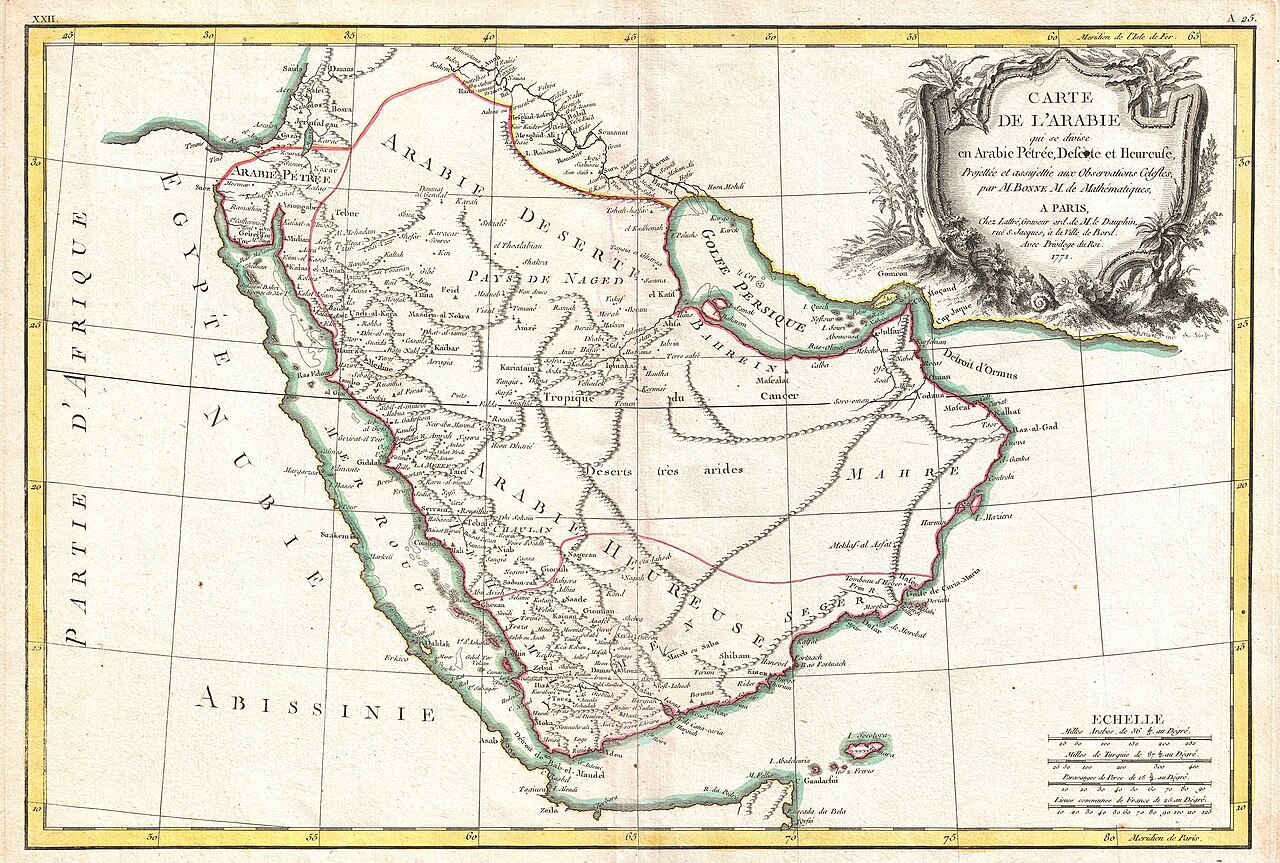
In June 1511, Mecca's market inspector, Khāʾir Beg, enforced a sweeping ban on coffee. He said coffee gatherings resembled taverns. Coffee was burned and sellers were punished.
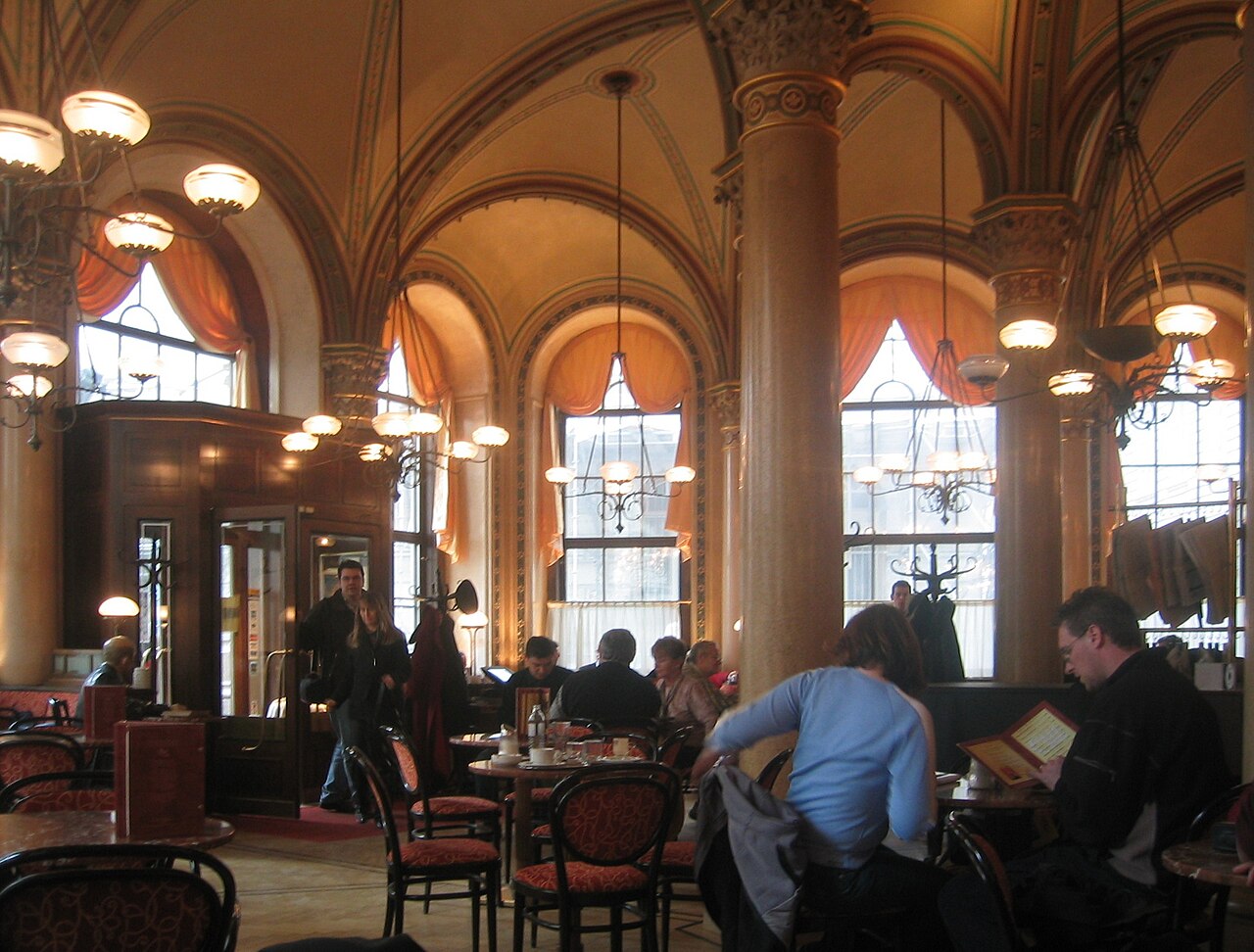
The bans kept coming. Orders from Constantinople banned coffee and coffeehouses several times in the 1500s. Sultan Murad IV shut Istanbul's coffeehouses in the 1600s.
Europe tried too. Charles II of England moved to suppress coffee houses in 1675 and backed down within weeks. Sweden banned coffee five times from 1756. Prussia made roasting a state monopoly in 1781 and hired coffee sniffers. None of it lasted.
What time is taking away
What the record says
- In 1509 Mecca's chief Shāfiʿī judge issued a fatwa permitting coffee, but opponents claimed it altered the mind.1
- In June 1511 market inspector Khāʾir Beg enforced a sweeping ban on coffee in Mecca, saying coffeehouse gatherings were held 'in a manner similar to taverns'.1,2
- In 1524 an Ottoman order from Suleiman I overturned the Mecca ban, according to one account.2
- By the end of the 16th century, the debate over coffee's legality was practically over across the Middle East and Ottoman lands.1
- Sultan Murad IV (r. 1623–1640) closed Istanbul's coffeehouses; one account ties his crackdown to a 1633 fire blamed on a careless tobacco user.3,4
- Charles II issued a proclamation suppressing coffee houses on 23 December 1675 and revoked it on 8 January 1676.5
- Coffee was banned in Sweden five times starting in 1756, largely for mercantilist reasons.6,7
- Prussia made coffee roasting a state monopoly in 1781 and employed about 400 'coffee sniffers' until 1787.8,9
- In 1615 Venetian clergy reportedly condemned coffee as a 'bitter invention of Satan'; Pope Clement VIII is said to have tasted it and approved it, though whether this happened is unclear.2,10
Khair Beg's fate (dismissal, or execution for embezzlement in 1512) is disputed and left out. The 1511 date is from Sharif's study via Medievalists.net and the encyclopedia; another encyclopedia page dates Mecca's coffeehouse bans to 1512–1524. The Pope Clement VIII story is explicitly uncertain. The 'punishable by death' Murad IV claims are left out as not well sourced.
- Brewing Controversy: How Coffee Sparked Fierce Debate in the 16th Century (on Reda Asaad Sharif's study in Darah, Brill) · Medievalists.net, 2025 in the bibliography
- History of coffee · Wikipedia in the bibliography
- Coffee and coffeehouses among the Ottomans · Hürriyet Daily News, 2014 in the bibliography
- Transformation of Ottoman coffeehouses to the present · Daily Sabah, 2015 in the bibliography
- Charles II (1630-1685) · Royal Museums Greenwich in the bibliography
- Why coffee was banned in Sweden five times · The Local Sweden, 2018 in the bibliography
- Fika (Sweden) · Wikipedia in the bibliography
- Coffee sniffers · Wikipedia in the bibliography
- No Joe: The Time Coffee Was Banned in Prussia · Mental Floss, 2018 in the bibliography
- History of Coffee · National Coffee Association USA (aboutcoffee.org) in the bibliography