One bean, a dozen rituals.
The same bean tastes completely different boiled in a Turkish cezve, dripped through a Vietnamese phin or steeped with cinnamon in a Mexican clay pot. Here's where 12 methods come from and how to make each one at home.
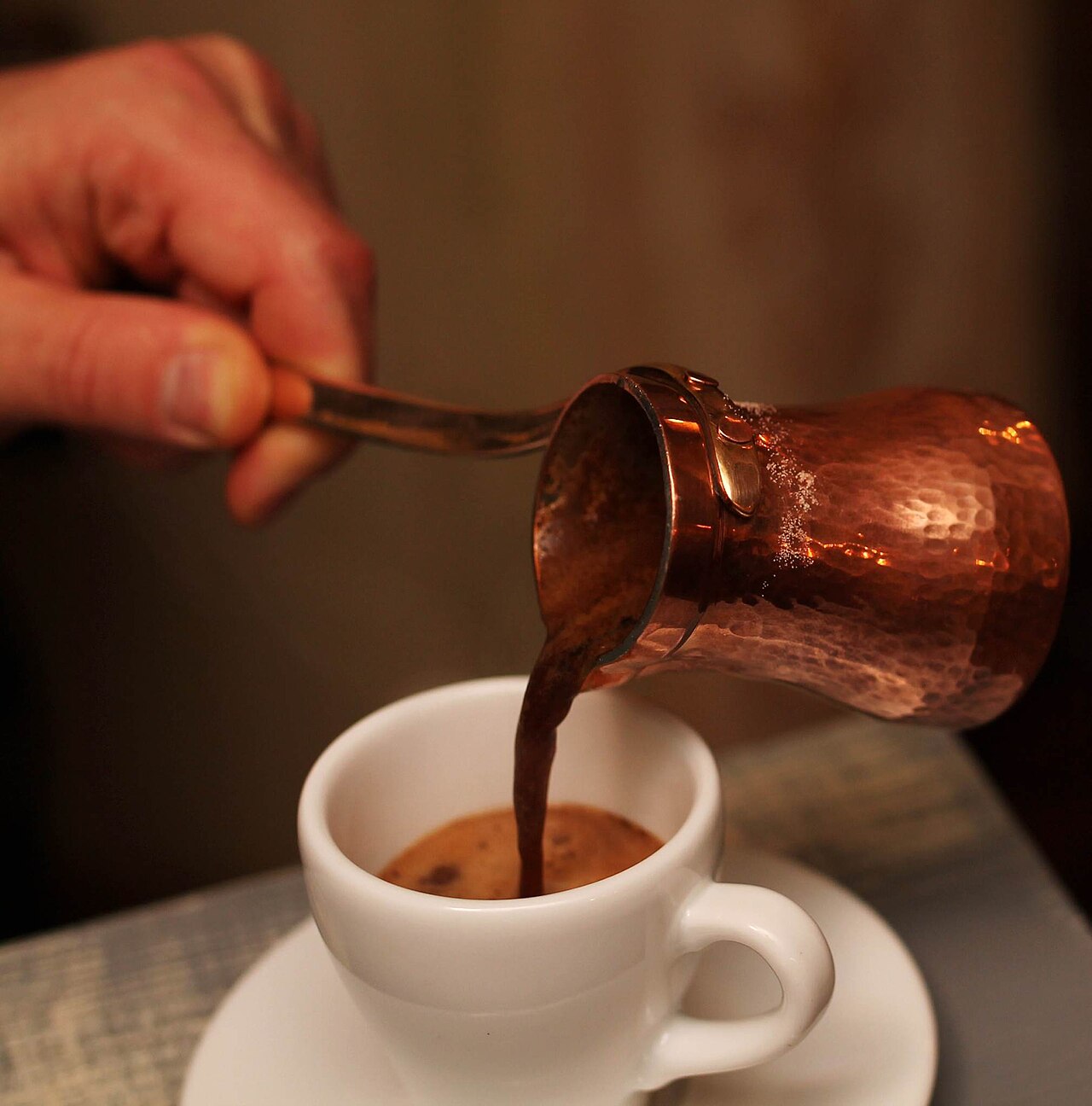 Türkiye
Turkish coffee
Coffee and water boiled together in a tiny pot, served with its foam and grounds settled in the cup.
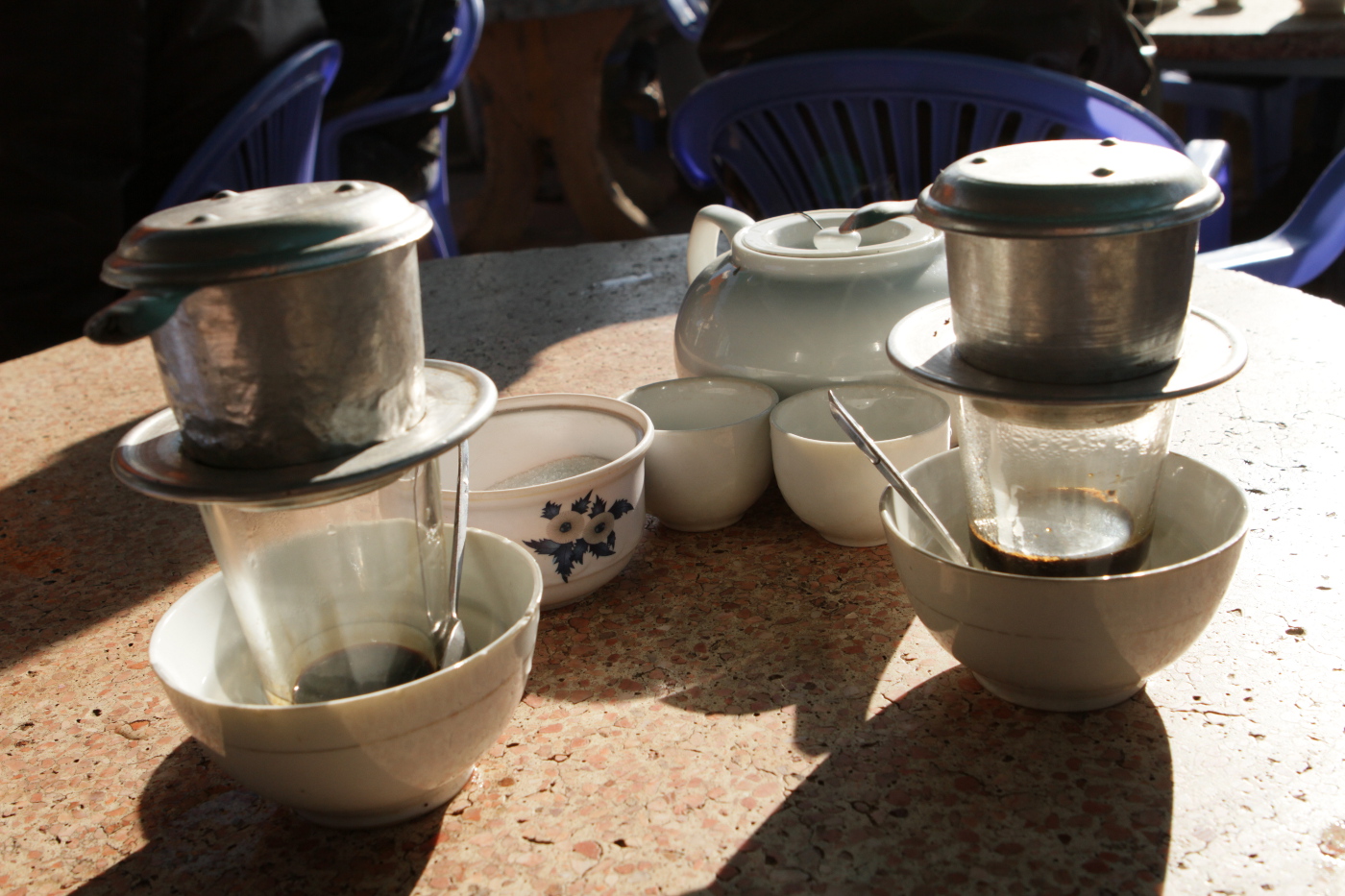 Vietnam
ese phin
A slow, strong drip over sweetened condensed milk and ice: cà phê sữa đá.
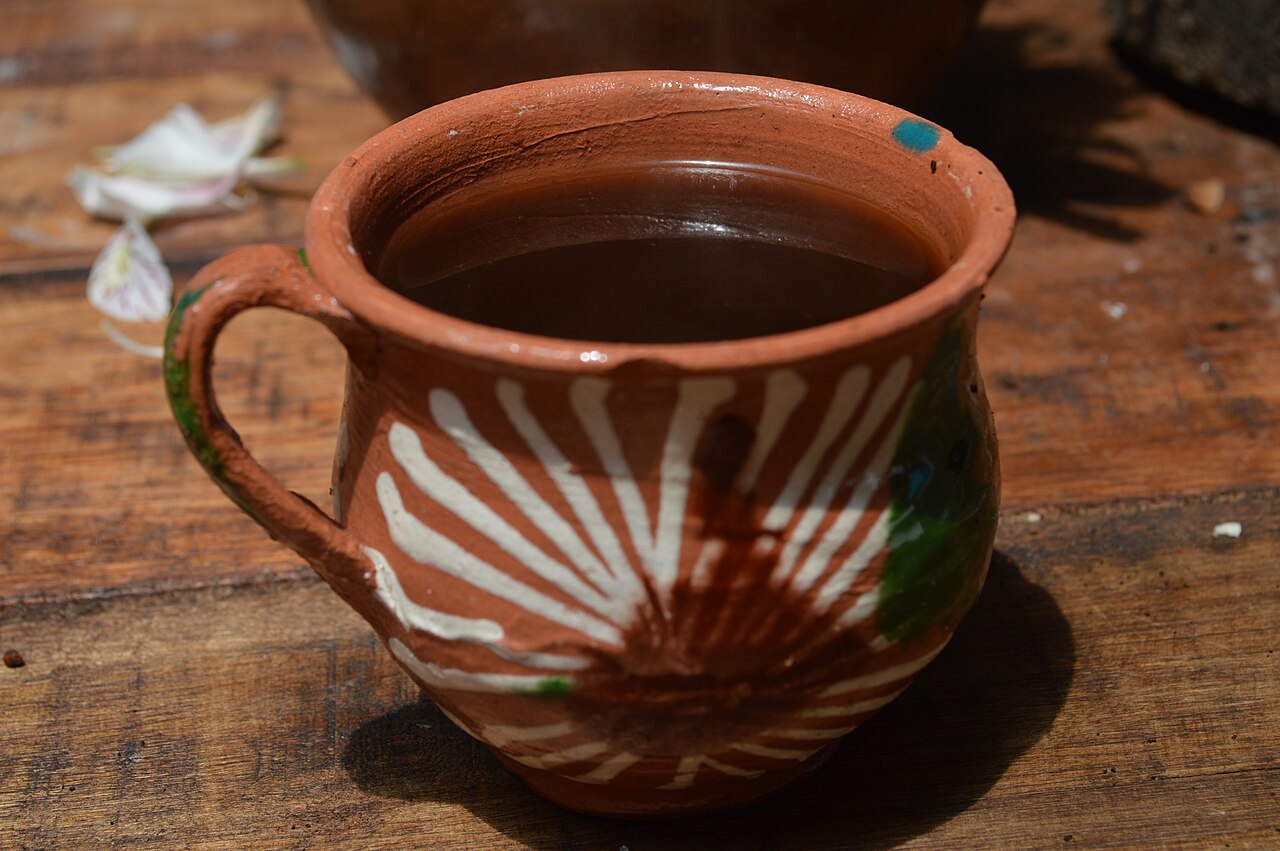 Mexico
Café de olla
Coffee steeped with cinnamon and piloncillo in a clay pot.
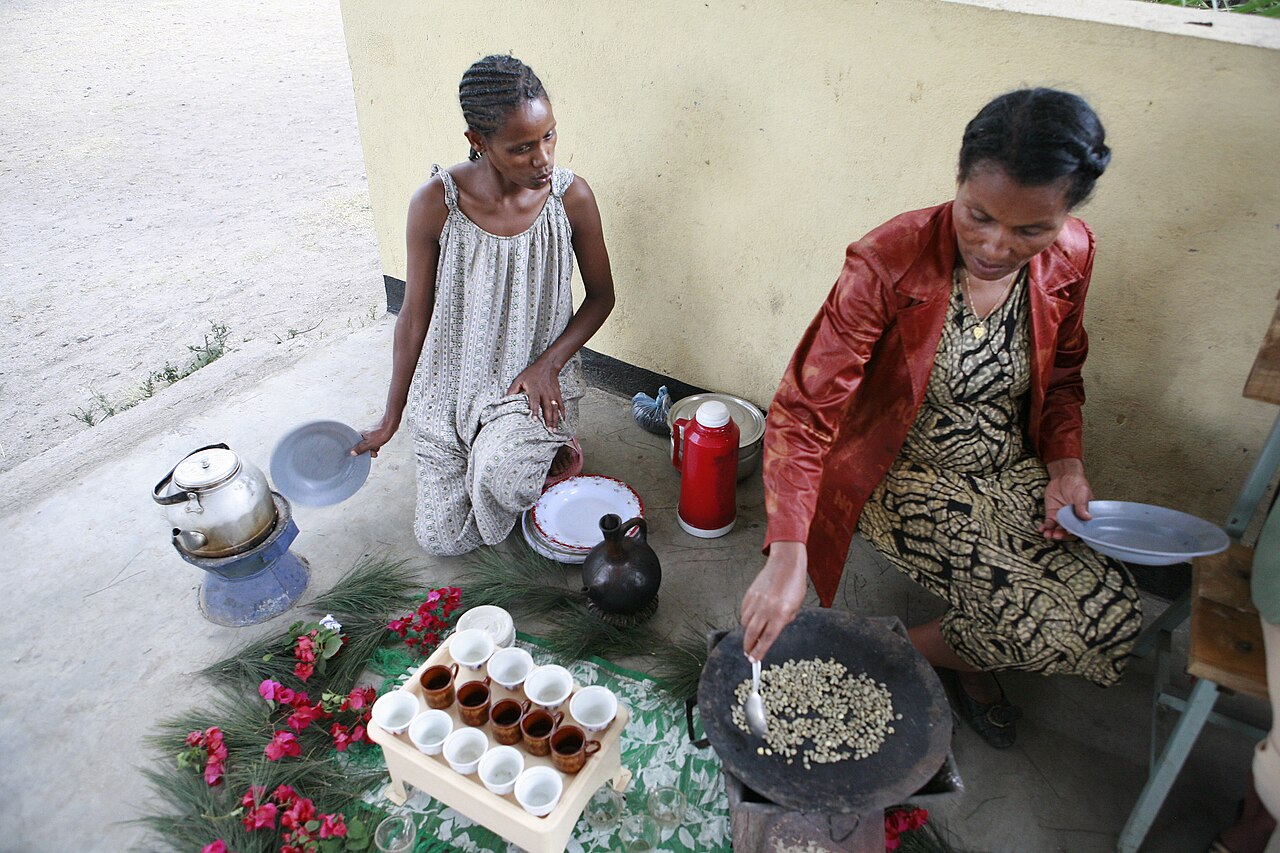 Ethiopia
n coffee ceremony
Green beans roasted, ground and boiled in a clay jebena, shared over three rounds.
 Italy
Moka pot
Steam pressure pushes water up through the coffee on your stove.
 Cuba
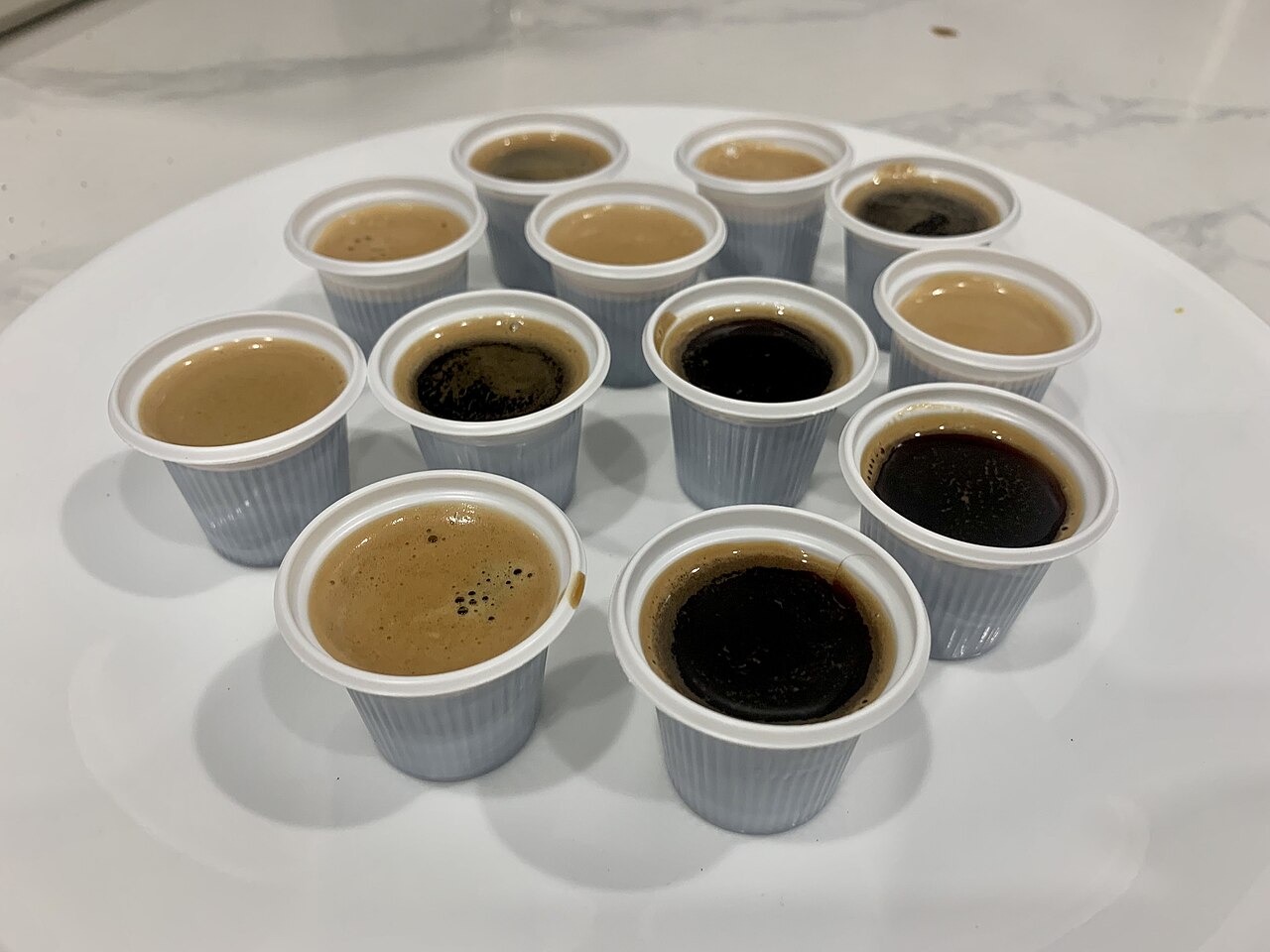
Cuban cafecito
Moka-pot coffee whipped with sugar into a sweet, pale foam called espumita.
 United States
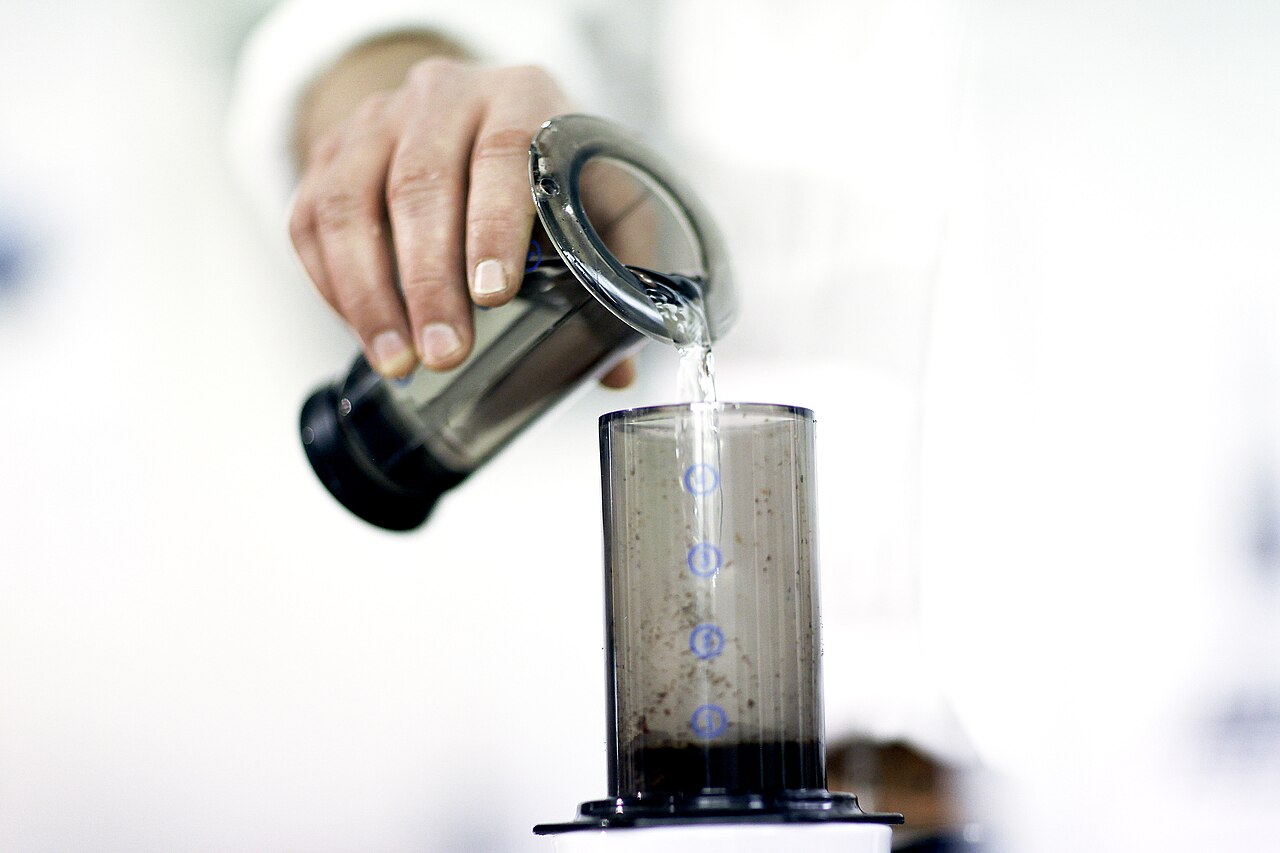
AeroPress
A plastic tube and plunger that brews a clean cup in about a minute.
 United States
Chemex
An hourglass flask with an extra-thick filter for a very clean, bright cup.
 Germany and France
Siphon (vacuum pot)
Two glass globes, vapor pressure and a dramatic drawdown.
 Japan and the United States
Cold brew
Coffee steeped in cold water for half a day: smooth, low in acidity, great over ice.
 Japan
Japanese iced coffee
Pour-over brewed hot straight onto ice, so it keeps the bright, fruity flavors cold brew mutes.
 Italy
Espresso
Hot water forced through fine coffee at about 9 bar: the base of the café menu.
Every method's history is sourced, and disputed stories are marked as disputed. Recipe numbers marked “about” are starting points; adjust to taste.