Finland is one of the world's biggest coffee drinkers per person, at about 12 kg of raw coffee a year in 2014 figures. Workplace agreements often guarantee a coffee break.
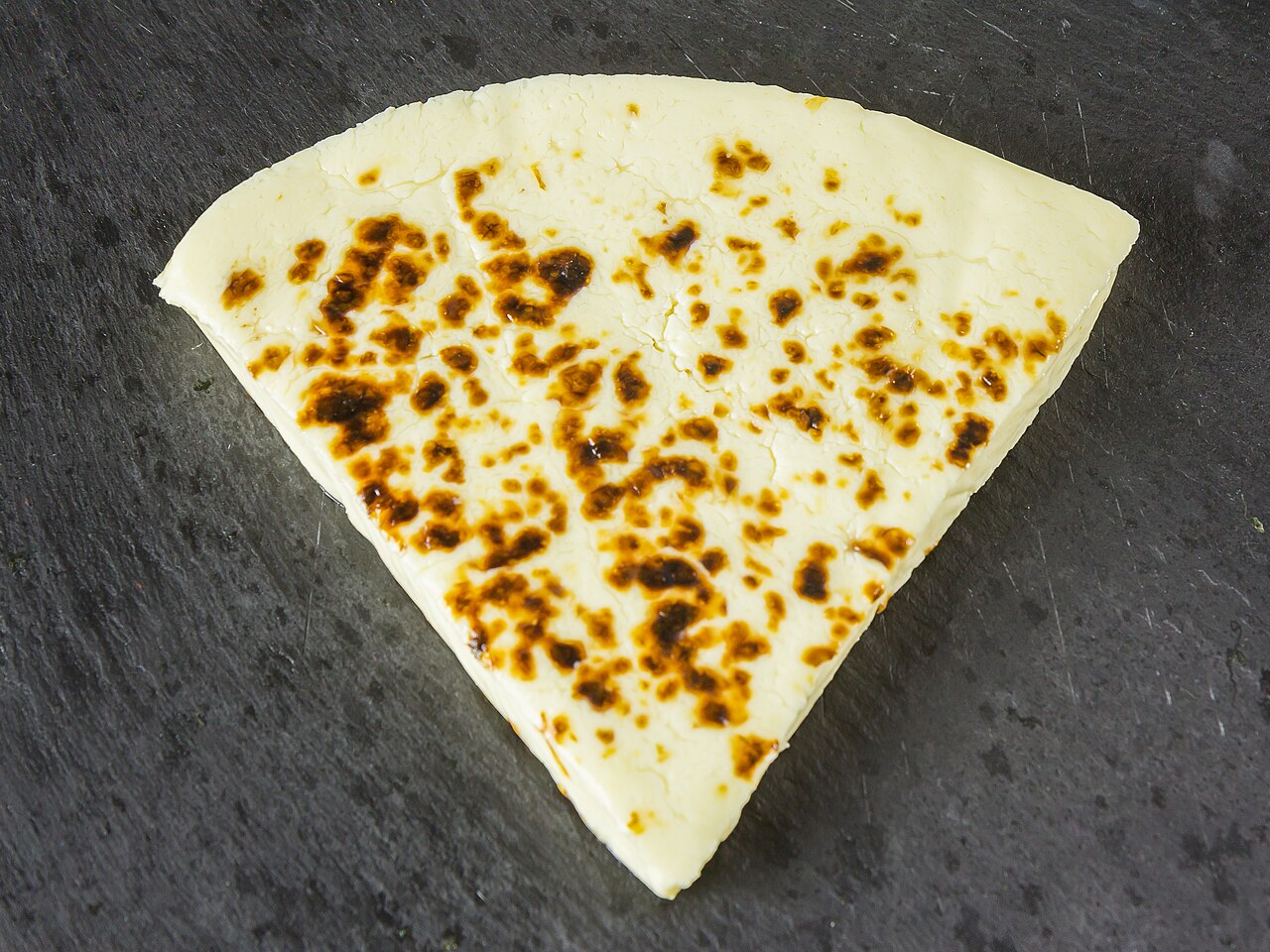
In the north, coffee meets cheese. Leipäjuusto, or bread cheese, comes from Ostrobothnia, Kainuu and the north. Its Swedish name kaffeost means coffee cheese: pieces go into a cup and hot coffee is poured over them. Fresh, it squeaks against the teeth.
War nearly emptied the cup. During the Second World War, shop coffee was cut with substitutes until there was none left. Rationing lasted about 15 years, at 250 grams a person a month.
Coffee cheese · leipäjuusto / kahvijuusto
How it's made. A flat, baked or flame-browned fresh cheese is cut into pieces and placed in a cup.1,2
How it's served. Hot coffee is poured over the cheese; it is also eaten as a side with coffee or with cloudberries.
What time is taking away
Traditional farm leipäjuusto
Made from the milk of a recently calved cow, dried and stored for years, then warmed by the fire before eating. Mass-produced versions have largely replaced it; it is on Slow Food's Ark of Taste.2
What the record says
- In 2014, ICO statistics put Finland at about 12 kg of raw coffee per person a year; Luxembourg ranked first at 24 kg, largely due to cross-border buying.3
- Almost one in every hundred coffee beans traded worldwide was imported into Finland, according to the same 2014 report.3
- A 2023 ranking based on World Population Review data placed Finland first at 12 kg per person per year, ahead of Norway at 9.9 kg.4
- Workplace collective agreements in Finland often guarantee employees a coffee break.5
- Coffee arrived in Finland in the 18th century as a luxury for the wealthy and became a daily habit by the 20th century.5
- During the Second World War, shop coffee fell to 25% real coffee, then 15%, and by the 1940s was all substitute; rationing lasted about 15 years at 250 grams per person per month.6
- Leipäjuusto is traditionally eaten by placing pieces in a cup and pouring hot coffee over them, which gives it the Swedish name kaffeost.1
- Traditional leipäjuusto was made from the milk of a cow that had recently calved; reindeer or goat milk is now more common, and it is listed in Slow Food's Ark of Taste.2
- The dialect name narskujuusto refers to the squeak fresh cheese makes against the teeth.1,2
Per-capita rankings vary by year and method; Yle's 2014 ICO figures placed Luxembourg first, while later rankings put Finland first. Visit Finland's 'highest in the world' line was not used as a standalone fact. The kaffeost link to Lapland specifically rests on the encyclopedia's mention of Lapland as one area where the name leipäjuusto was used; reindeer-milk use comes from Slow Food.
- Juustoleipä (Leipäjuusto) · Wikipedia in the bibliography
- Traditional Leipäjuusto (Ark of Taste) · Slow Food Foundation for Biodiversity in the bibliography
- Finns and their beloved coffee – they couldn't drink more if they tried · Yle News, 2014 in the bibliography
- Scandinavian countries remain world's top coffee consumers per capita · StoneX CoffeeNetwork, 2023 in the bibliography
- Finnish coffee culture explained · Visit Finland (Business Finland) in the bibliography
- Pandemic fails to cool Finland's centuries-old passion for coffee · Yle News, 2020 in the bibliography