Coffee came to mainland Ecuador in 1860, in the Jipijapa zone of Manabí. The country grows both arabica and robusta.
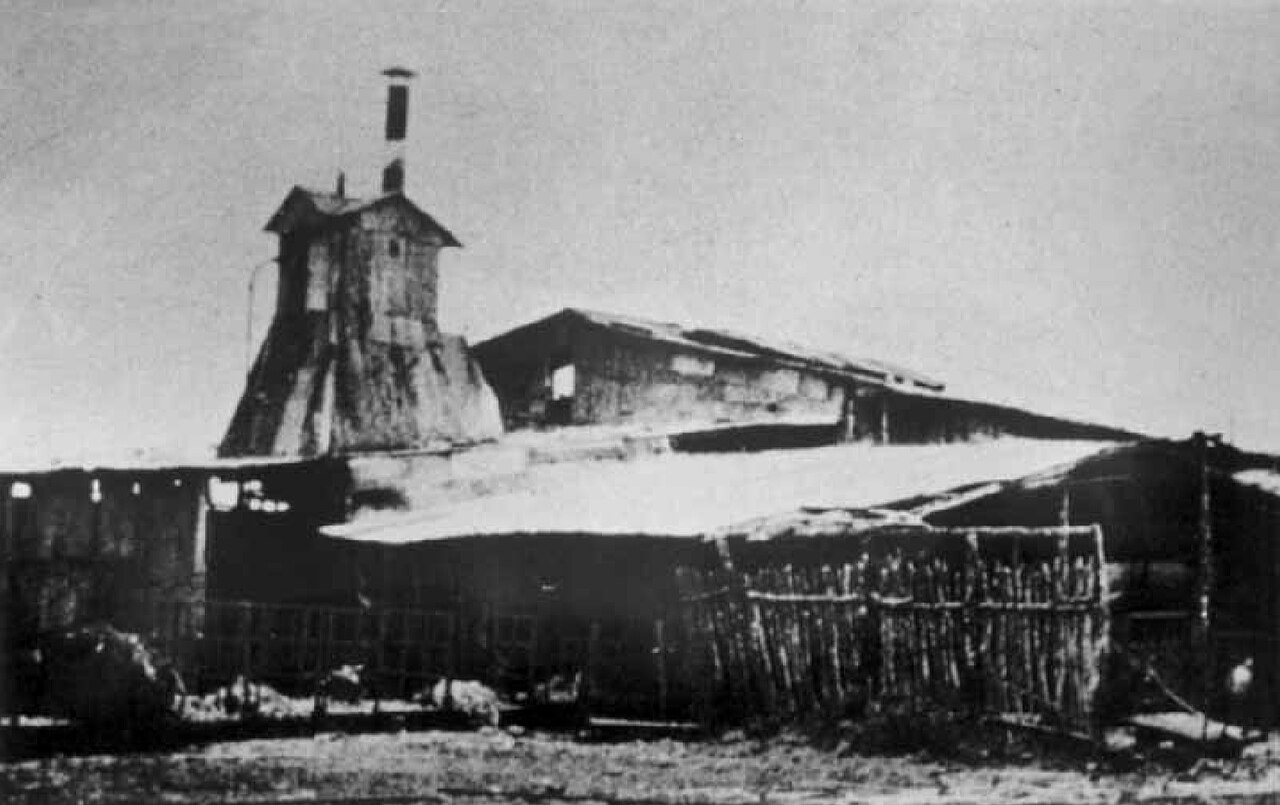
On San Cristóbal in the Galápagos, Manuel J. Cobos ran Hacienda El Progreso from 1878 to 1904. It grew sugar, cattle, coffee and other crops. Its roughly 400 workers were largely exiled criminals, debtors and indentured servants, paid in rubber tokens that kept them in debt. They killed Cobos in 1904.
The coffee was abandoned for nearly a century but some plants survived in the wild. In 1990 the González-Duche family began restoring the old trees.
Galápagos coffee grows at only 200–300 metres. The cold Humboldt Current and the garúa mist make the climate behave like a mainland farm at about 1,200 metres. Only San Cristóbal and Santa Cruz are open to farming, and all coffee must be organic.
What time is taking away
Feral Bourbon of El Progreso
Bourbon coffee planted on Cobos's San Cristóbal estate went wild after his death in 1904. Since 1990 a local family has been restoring the old trees, some said to be over 140 years old and still bearing fruit.3
What the record says
- Coffee was introduced to mainland Ecuador in 1860 in the Jipijapa zone of Manabí Province.1
- Manuel J. Cobos ran Hacienda El Progreso on San Cristóbal from 1878 to 1904.4
- At its height El Progreso covered more than 7,400 acres, with about 1,200 acres in coffee, maize, fruit and other crops.5
- El Progreso's workforce grew to about 400 by 1900. Most were exiled criminals, debtors, indentured servants and poor immigrants, paid in rubber tokens only good at company shops.5
- Cobos was killed by his own workers in 1904, and the plantation declined.5
- Galápagos coffee grows at 200–300 m, yet the Humboldt Current gives it a climate like 1,200–1,300 m on the mainland.2
- The Galápagos has two coffee harvests a year, in February–March and November–December.2
- Only San Cristóbal and Santa Cruz are authorised for farming, and environmental rules require all Galápagos coffee to be organic.3
Sources disagree on when coffee was first planted on San Cristóbal (1869, about 1875, 1879 or about 1880), so no date is given in the story. The '140-year-old trees' claim comes from a business magazine and is marked 'said to be'. Mainland Ecuador is thinly covered (one Wikipedia source).
- Coffee production in Ecuador · Wikipedia in the bibliography
- Galápagos Island Coffee: Why Altitude Isn't Everything · Perfect Daily Grind, 2017 in the bibliography
- Caficultura en Galápagos: el reto de producir un grano de especialidad bajo estricto blindaje ambiental · Ekos Negocios, 2026 in the bibliography
- The Galápagos as penal colony: Exile, peonage, and state control at the Hacienda El Progreso, 1878–1904 · Punishment and Society, 2021 in the bibliography
- Transforming the Enchanted Isles · Archaeology (Archaeological Institute of America), 2022 in the bibliography