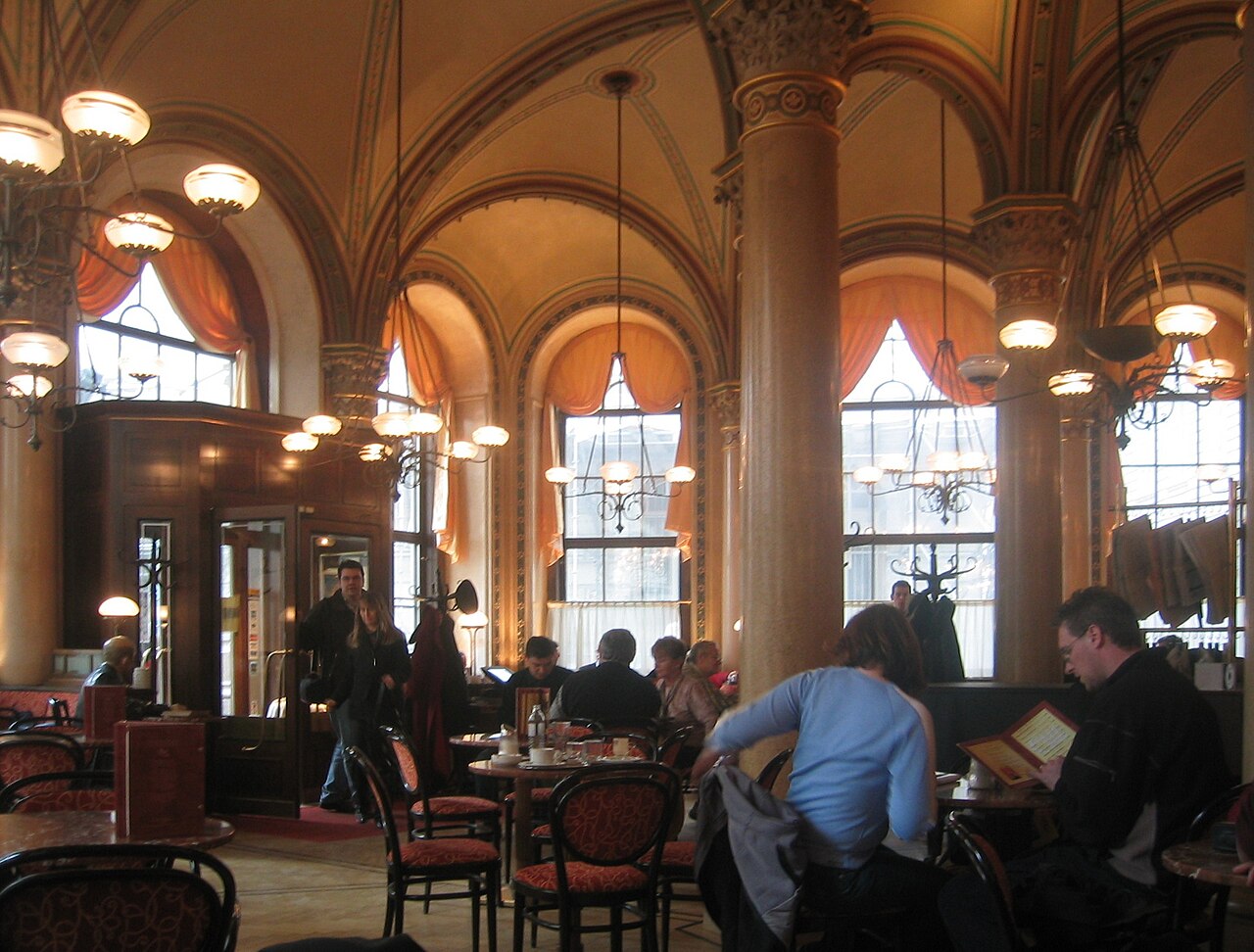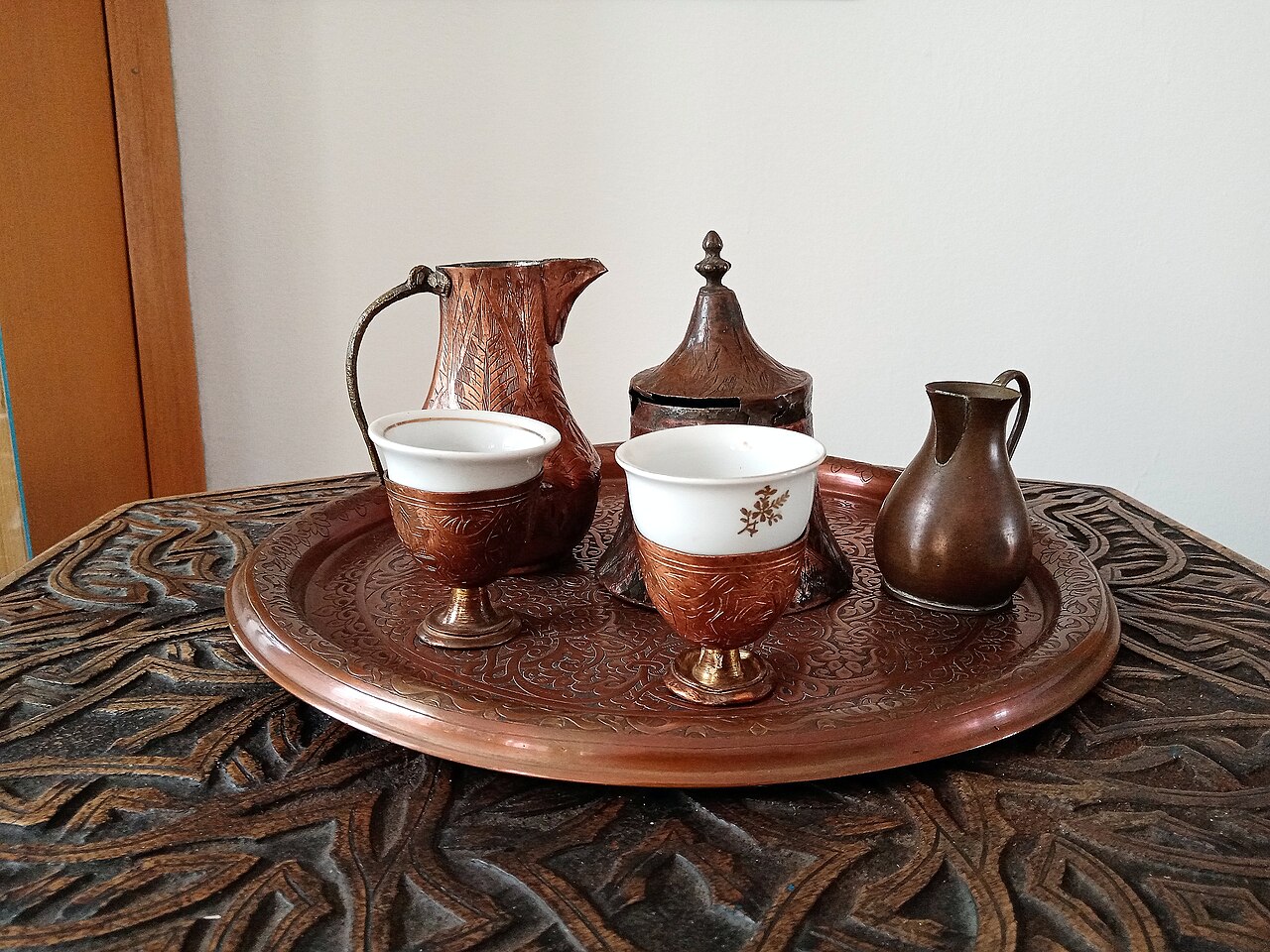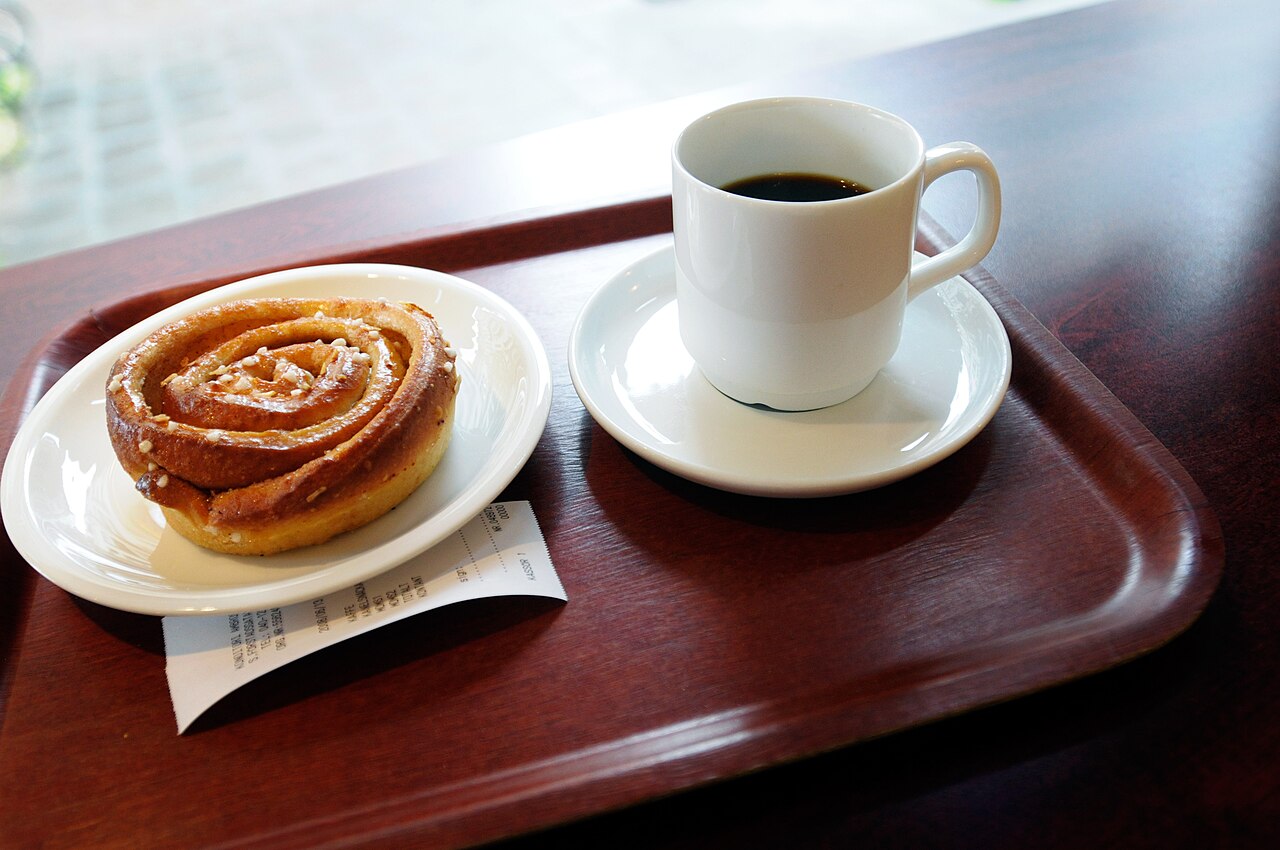
Fika is a set break for coffee, usually with buns or pastries, taken with others. The word comes from slang that turned the Swedish word kaffe around. Many workplaces provide free coffee and some contracts include fika breaks.
Sweden did not always love coffee. The state banned it five times between 1756 and the early 1800s. People caught with it could lose their cups and dishes. Carl Linnaeus warned of its health effects, but the bans were driven mainly by trade worries.
The story goes that King Gustav III, convinced coffee was harmful, gave two condemned twin prisoners a choice: one drank coffee every day and the other tea. Versions disagree on who lived longer, and the tale is poorly documented.
Fika
How it's made. Coffee (or tea) with cinnamon buns or other baked goods, sometimes sandwiches or fruit.1
How it's served. Traditionally at set times such as mid-morning and mid-afternoon, at work, at home, in cafés or after church.
What time is taking away
What the record says
- Fika is a break for coffee, usually with buns or pastries, in a social setting; the word comes from a late-19th-century slang inversion of the Swedish 'kaffe'.1
- In Swedish workplaces coffee and tea are typically free for staff, and some employment contracts explicitly include fika breaks.1
- Coffee was banned in Sweden five times, starting in 1756.1,2
- People caught with coffee could have their cups and dishes confiscated, and later penalties included possible prison.2
- Carl Linnaeus warned about coffee's health effects and called it a French 'foreign custom'; economist Calestous Juma described the bans as largely mercantilist.2
- According to the story, King Gustav III had twin prisoners condemned to death drink coffee and tea daily to compare their health; Gustav was assassinated in 1792 before any result.2,3
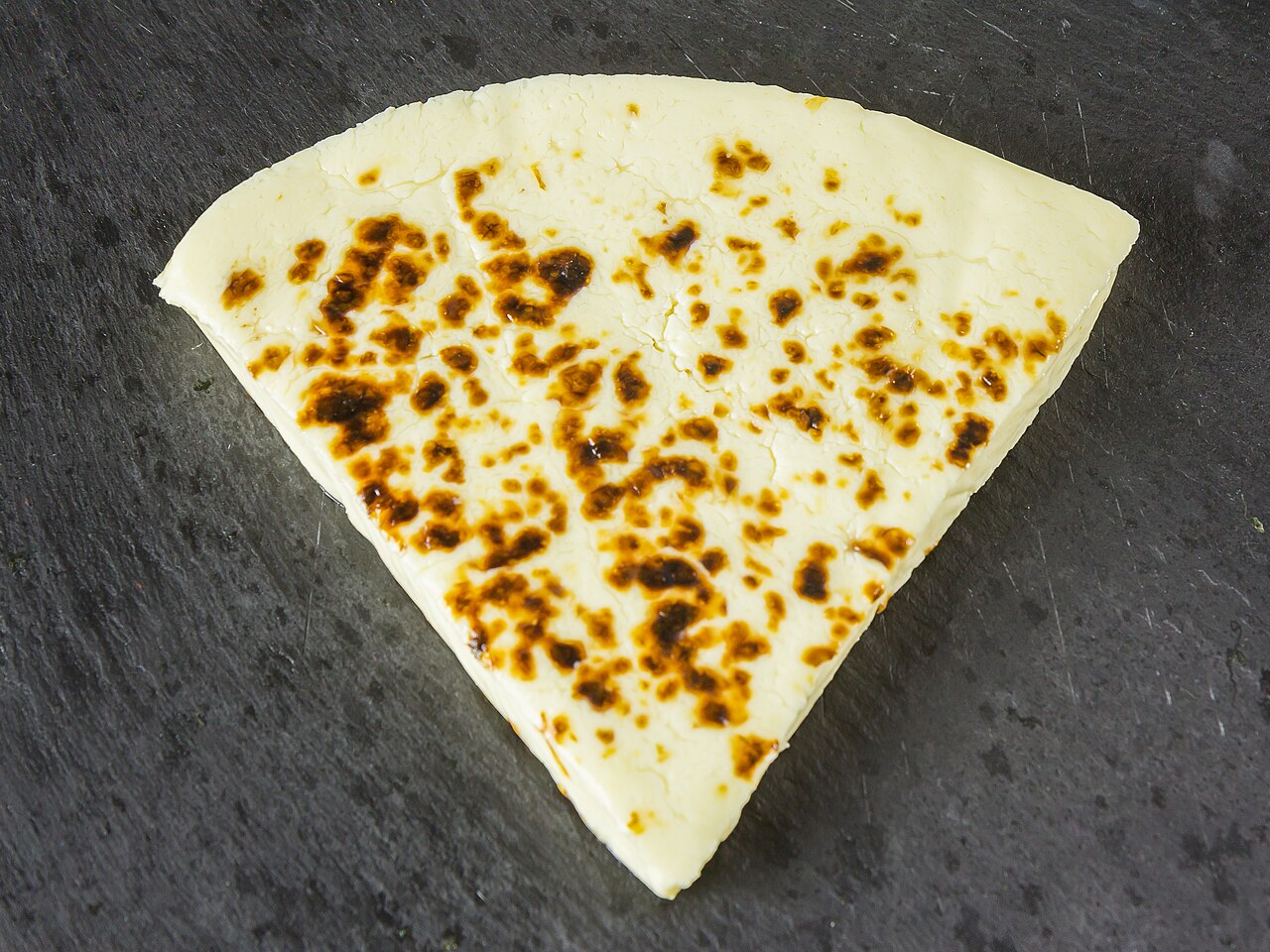
- The Swedish name kaffeost ('coffee cheese') refers to the custom of putting pieces of the cheese into hot coffee.4
End date of the bans differs: one source says restrictions ended in 1823, another says the last ban ended in 1822. The Gustav III twins story is poorly sourced; one account says the coffee drinker outlived everyone, another says the tea drinker died first at 83. It is presented as a story. sweden.se could not be opened (403).
- Fika (Sweden) · Wikipedia in the bibliography
- Why coffee was banned in Sweden five times · The Local Sweden, 2018 in the bibliography
- #AdventCalendar: The coffee-hating king behind Sweden's 'first clinical trial' · The Local, 2019 in the bibliography
- Juustoleipä (Leipäjuusto) · Wikipedia in the bibliography