Dutch traders brought coffee to Japan. The first coffee house, Kahiichakan, opened in Ueno, Tokyo, in 1888 as a cultural salon. It went bankrupt within about five years.
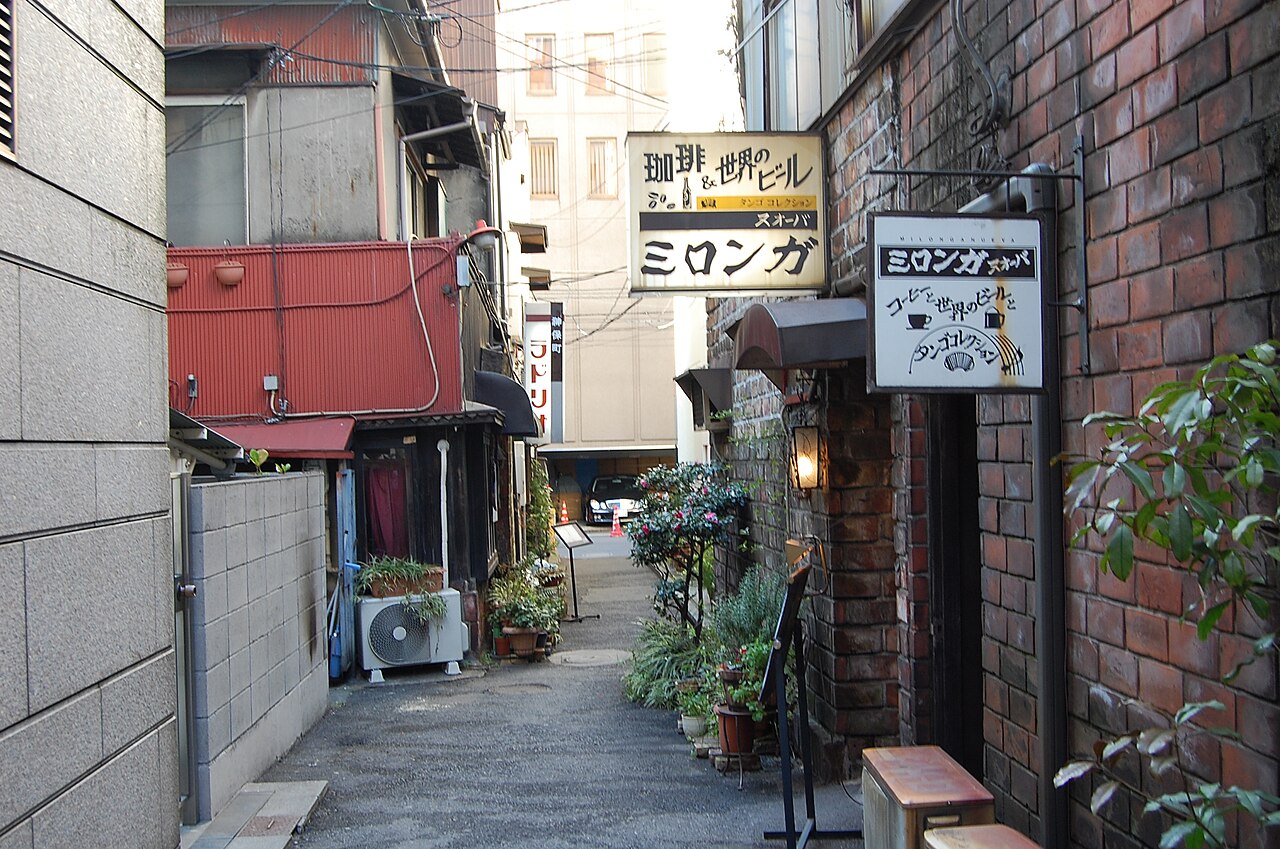
The kissaten, a quiet coffee shop, took shape in the Taisho period and spread after the Second World War as a family-run neighbourhood place. Siphon brewers, invented in 19th-century Germany, became a kissaten favourite.
In 1965 a café owner in Shimane put coffee in a can. UCC began mass-producing canned coffee in 1969, and it is now sold everywhere.
From the late 1990s, chains such as Starbucks and Doutor took over, and many kissaten closed as their owners retired.
Kissaten morning service
How it's made. Coffee is often brewed by siphon in older kissaten.1,2
How it's served. Urban kissaten serve a 'morning service' breakfast: thick toast, boiled or fried eggs, ham or bacon, with tea or coffee.
What time is taking away
The kissaten
Neighbourhood coffee houses with siphon brewing and long hours. Many have closed since the late 1990s because of chains, low margins and owners retiring with no one to take over.2
Well-chilled coffee
Iced coffee appeared in the Meiji era. Before refrigeration, people chilled it in glass jars lowered into well water.4
What the record says
- Kahiichakan, often cited as Japan's first modern coffee house, was opened in Ueno by Tei Eikei in 1888.2,3
- Kahiichakan closed after about five years due to bankruptcy.3
- The kissaten took its modern form in the Taisho period (1912 to 1926) and spread widely after the Second World War.2
- Between 1908 and 1924 about 35,000 Japanese emigrated to Brazil to work on coffee farms.3
- Canned coffee was first made in 1965 by Miura Yoshitake, a coffee shop owner in Hamada, Shimane; UCC first mass-produced it in 1969.3,4
- A 2012 All Japan Coffee Association survey found people averaged about 100 cans of coffee a year.4
- Kissaten declined from the late 1990s as chains such as Starbucks, Tully's and Doutor took over the market.2
Wikipedia gives conflicting dates for coffee's arrival (around 1700 versus the 16th to 17th centuries) so no year is stated. A claimed peak of 150,000 kissaten in the 1980s came only from a search snippet and is left out. UCC's 'world's first' claim is a company claim; Nippon.com credits Miura in 1965.
- Kissaten · Wikipedia in the bibliography
- The Fascinating History Behind Japanese Kissaten · Metropolis Japan, 2025 in the bibliography
- Coffee in Japan · Wikipedia in the bibliography
- Canned Coffee · Nippon.com, 2015 in the bibliography