A Franciscan friar is said to have planted the first coffee in Lipa, Batangas, around 1730; other accounts say the 1740s. Lipa became known as the country's coffee capital.
In 1880 the Philippines was the fourth-largest exporter of coffee beans. When rust struck other growing regions, it was for a time one of the few sources left.
Rust and insects reached Batangas in 1889. By 1891 output was about one-sixth of its 1889 level. Most farmers switched crops.
The local tree was liberica, called barako. Only a few seedlings survived. Slow Food now lists barako on its Ark of Taste of endangered foods.
Barako coffee · kapeng barako
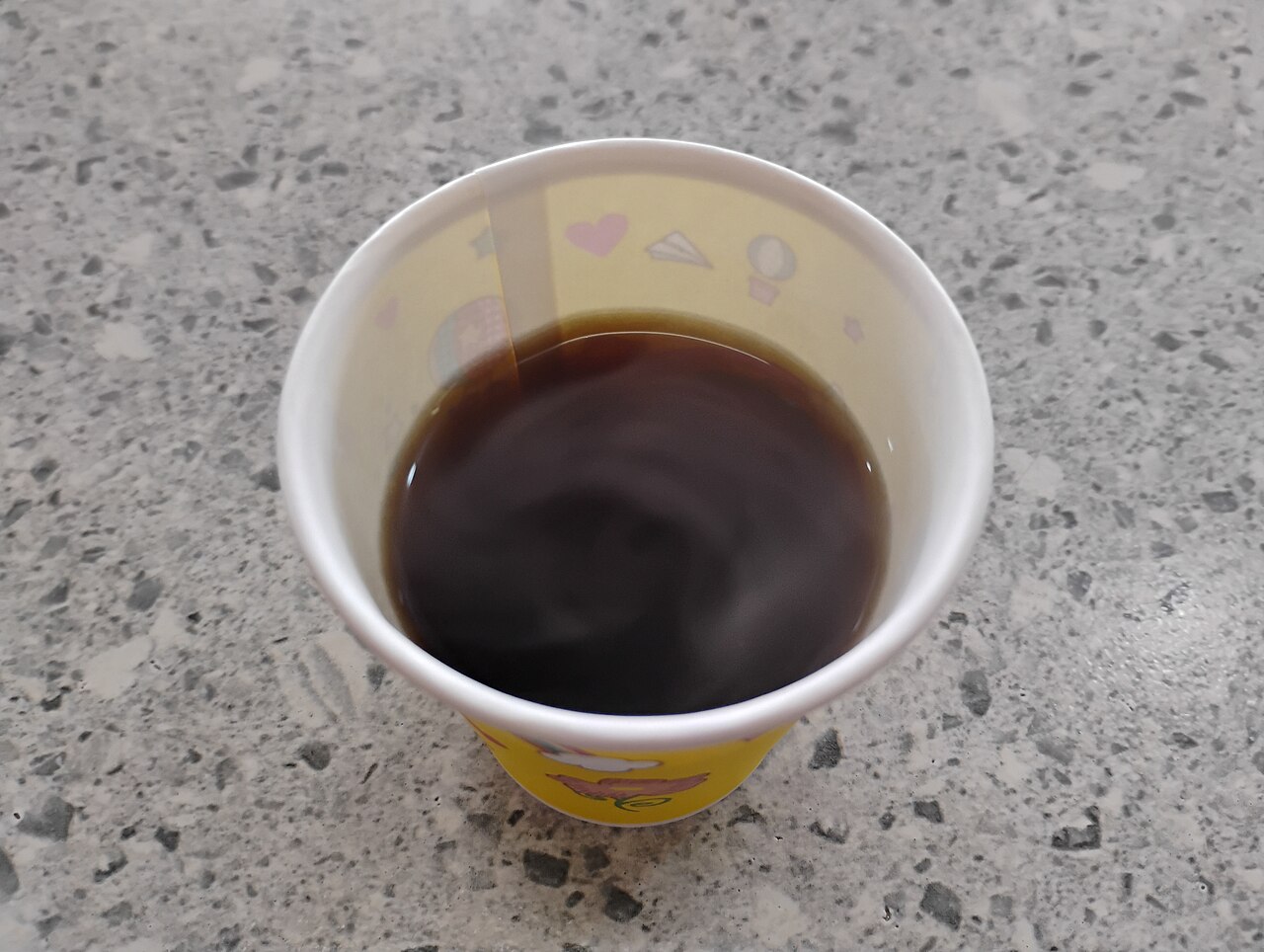
How it's made. Liberica beans brewed strong, traditionally drunk black or sweetened with muscovado sugar or honey.1,2
How it's served. In Batangas it is served as a broth-like drink (sabaw) with rice and dried fish from Lake Taal, tapa, or other fried dishes.
What time is taking away
What the record says
- Coffee reached the Philippines around 1730, when a Franciscan friar planted the first tree in Lipa, Batangas; another account gives the 1740s.1,3
- In 1880 the Philippines was the fourth-largest exporter of coffee beans.3
- Coffee rust and insects destroyed nearly all Batangas coffee trees from 1889; by 1891 output was about one-sixth of its 1889 level.3
- After the collapse, only a few barako seedlings survived, mostly in Cavite.1
- Barako is a Tagalog word for wild boar; Slow Food says boars eat the plant's leaves and berries.2
- Liberica trees can reach 20 metres and produce asymmetric beans with a hook at one end, unlike the other commercial species.2
- Barako is listed on Slow Food's Ark of Taste of endangered heritage foods.1,2
- Robusta accounts for about 90 percent of Philippine coffee production.3
The first planting is dated 1730 in one Wikipedia article and the 1740s in another. Wikipedia's claim that the Philippines was the world's only source from 1887 to 1889 is not repeated because it seems overstated. No strong academic history was opened.
- Kapeng barako · Wikipedia in the bibliography
- Barako Coffee (Ark of Taste) · Slow Food Foundation for Biodiversity in the bibliography
- Coffee production in the Philippines · Wikipedia in the bibliography