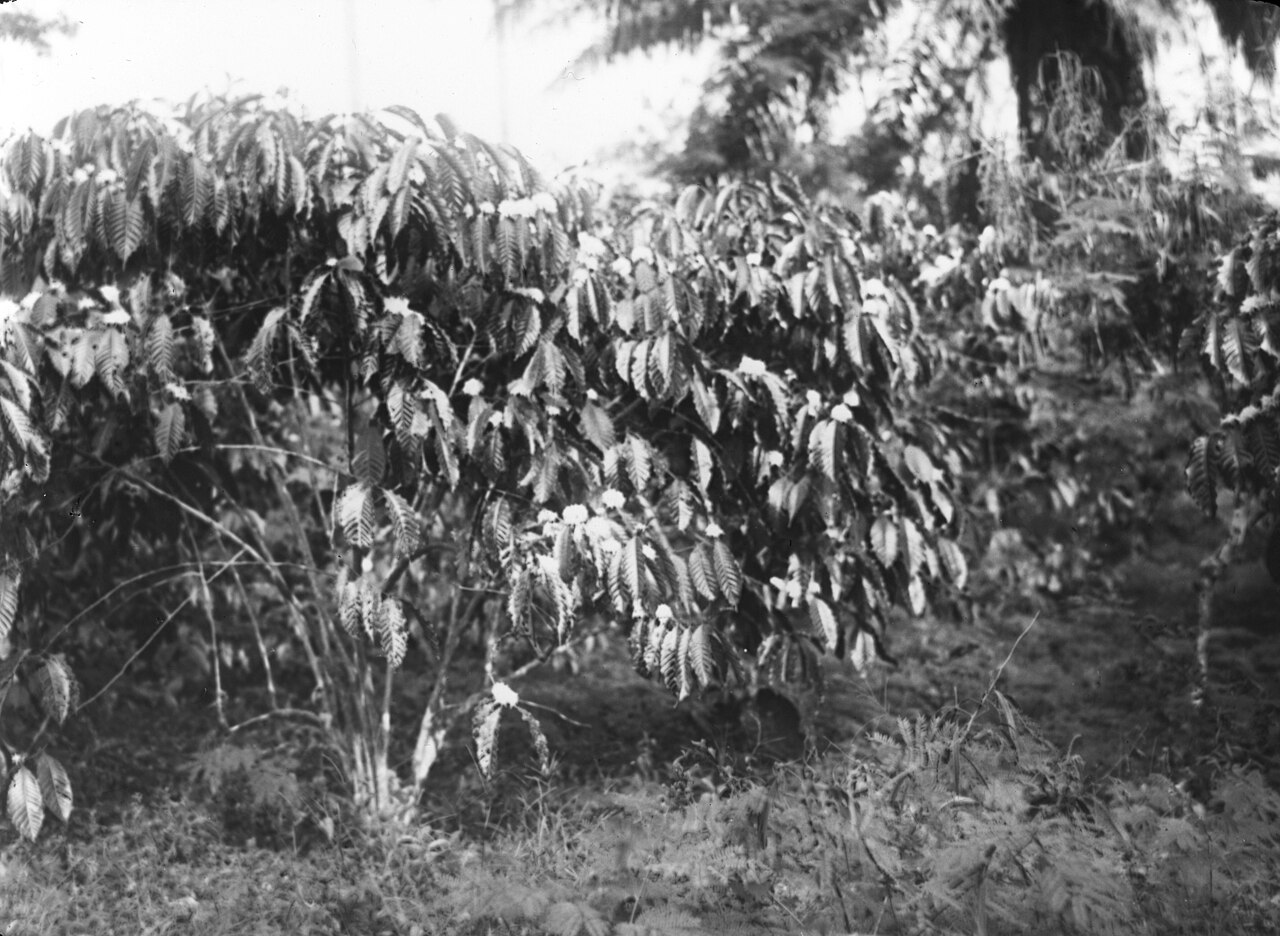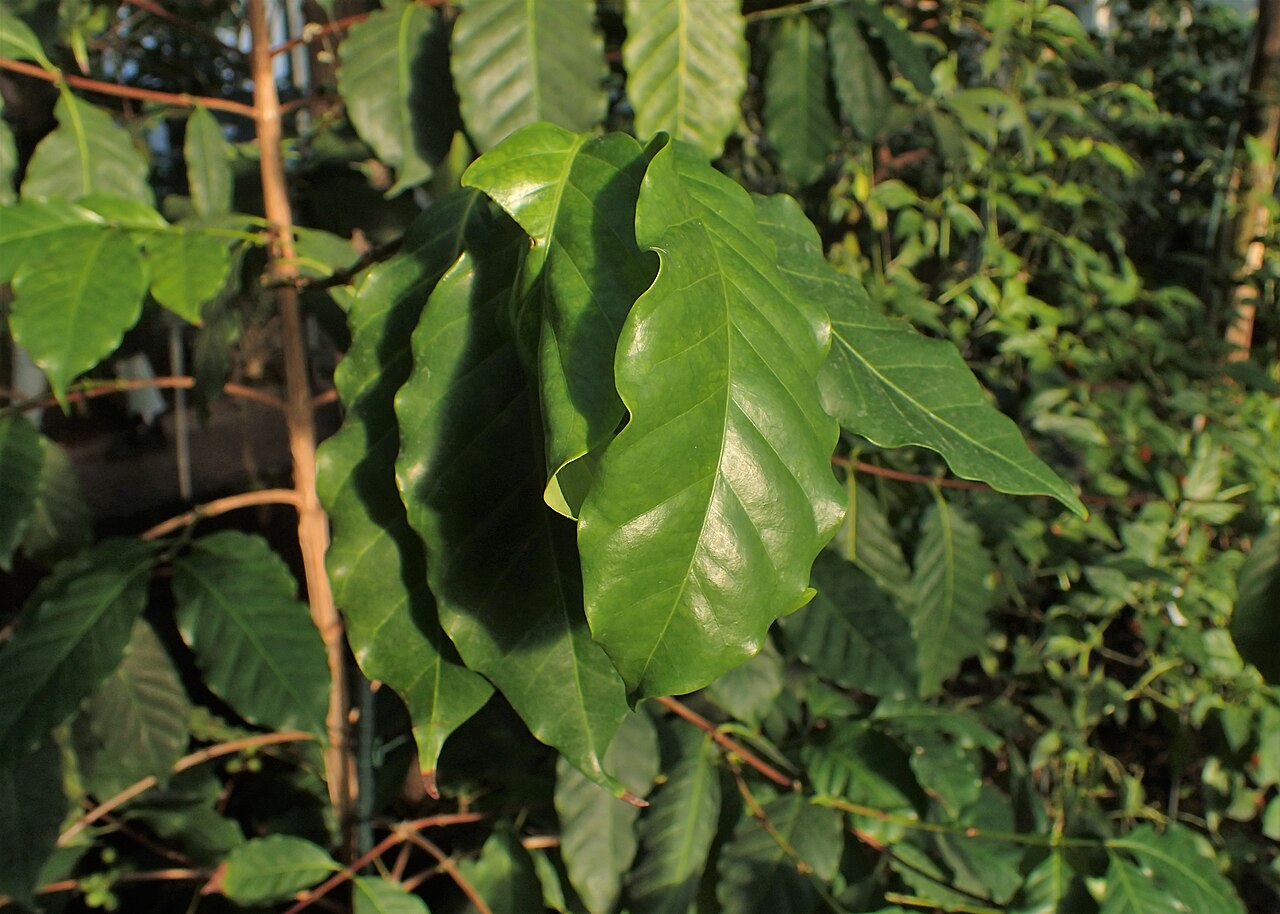
Coffea stenophylla is native to Guinea, Sierra Leone and Ivory Coast. Reports from the 1800s and early 1900s rated it above Arabica, and it was sold in France as 'best Mocha'.
It fell out of use in the 20th century and disappeared from the record in 1954. In 2018 scientists found it growing wild in Sierra Leone.
In a blind test, a panel rated its quality as comparable to Arabica, with notes described as rose, elderflower and lychee. It grows at an average of 24.9°C, much warmer than Arabica prefers, which makes it of interest as the climate warms.
What time is taking away
Coffea stenophylla, the forgotten 'best Mocha'
A West African coffee species once prized above Arabica and sold in France as 'best Mocha'. It dropped out of the record in 1954 and was rediscovered in the wild in Sierra Leone in 2018.1
What the record says
- Coffea stenophylla is native to Guinea, Sierra Leone and Ivory Coast.1
- In 1925 Ralph Holt Cheney wrote that local people and French merchants in Sierra Leone considered its beans superior to all other coffee species.1
- It disappeared from the record in 1954 and was found growing wild in Sierra Leone in 2018.1
- It tolerates an average temperature of 24.9°C, against about 19°C preferred by Arabica.1
- A blind-tasting panel from Nespresso and Jacobs Douwe Egberts rated its quality comparable to Arabica.1
- The study was led by Aaron Davis of Kew and published in Nature Plants in 2021.1
- It is listed as vulnerable on the IUCN Red List.1
One strong news report (Phys.org/AFP) on a peer-reviewed paper. The Nature Plants paper itself was not opened. Flavor notes are the tasting lead's description. Heat-tolerance comparisons with robusta differ slightly between reports.
- Forgotten species could future-proof coffee in a warming world · Phys.org (AFP), 2021 in the bibliography