Madagascar has a surprising and poorly known range of wild coffee species. Kew's Aaron Davis and Malagasy botanist Franck Rakotonasolo have named 19 new coffee species from the island since 1997.
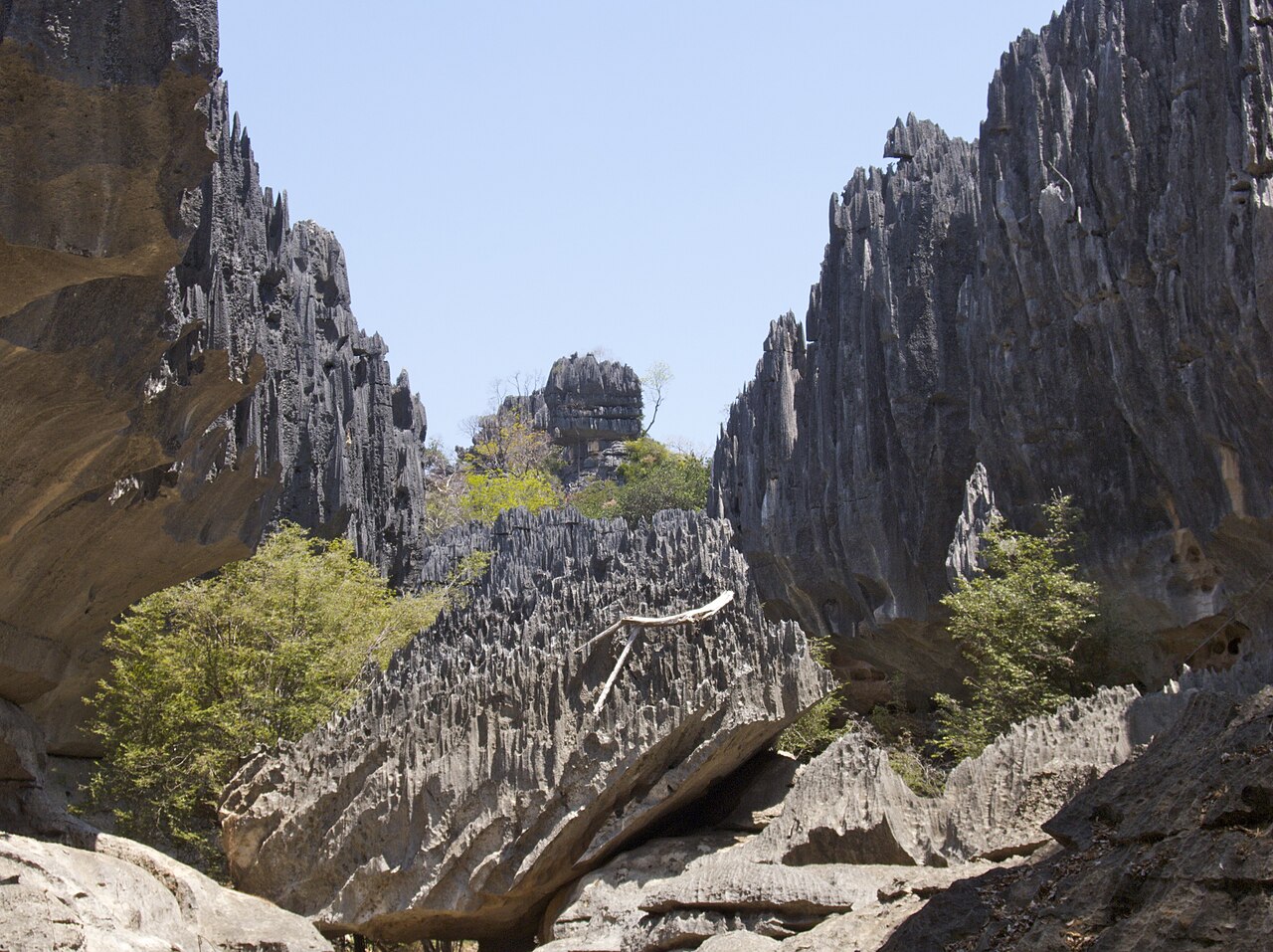
Some are odd. Species in the Baracoffea group drop their leaves, unlike other evergreen coffees, and some have winged fruit, perhaps to float in seasonally flooded limestone country.
One, C. ambongensis, was first collected in 1841, rediscovered in 1999 and only then published as a new species. All of these species are rare, ranging from near threatened to critically endangered.
What time is taking away
Coffea ambongensis, lost for 158 years
First collected in 1841 but never described, it was rediscovered in 1999 and published as a new species in 2008.2
What the record says
- Kew's Aaron Davis and Franck Rakotonasolo have named 19 new coffee species from Madagascar since 1997.1
- Of 124 known wild coffee species worldwide, 75 (60%) are threatened with extinction.1
- Species in Coffea subgenus Baracoffea are deciduous, unlike other coffee species.2
- C. labatii has 12 to 18 wings per fruit and C. pterocarpa 16 to 20.2
- These species grow in regularly flooded karst limestone habitats.2
- None of the new Madagascar species had been tried as a drink as of 2009.2
The '158 years' in the lost-art name is simple arithmetic (1841 to 1999). Species details come from a conservation blog (Julie Craves) summarising Davis and Rakotonasolo 2008; the paper and Kew's release were not opened. A claim that most Madagascan species are low in caffeine appeared only in snippets and was left out.
- Coffee in trouble: 60% of wild coffee species threatened with extinction · Mongabay, 2019 in the bibliography
- New coffee species from Madagascar · Coffee & Conservation, 2009 in the bibliography