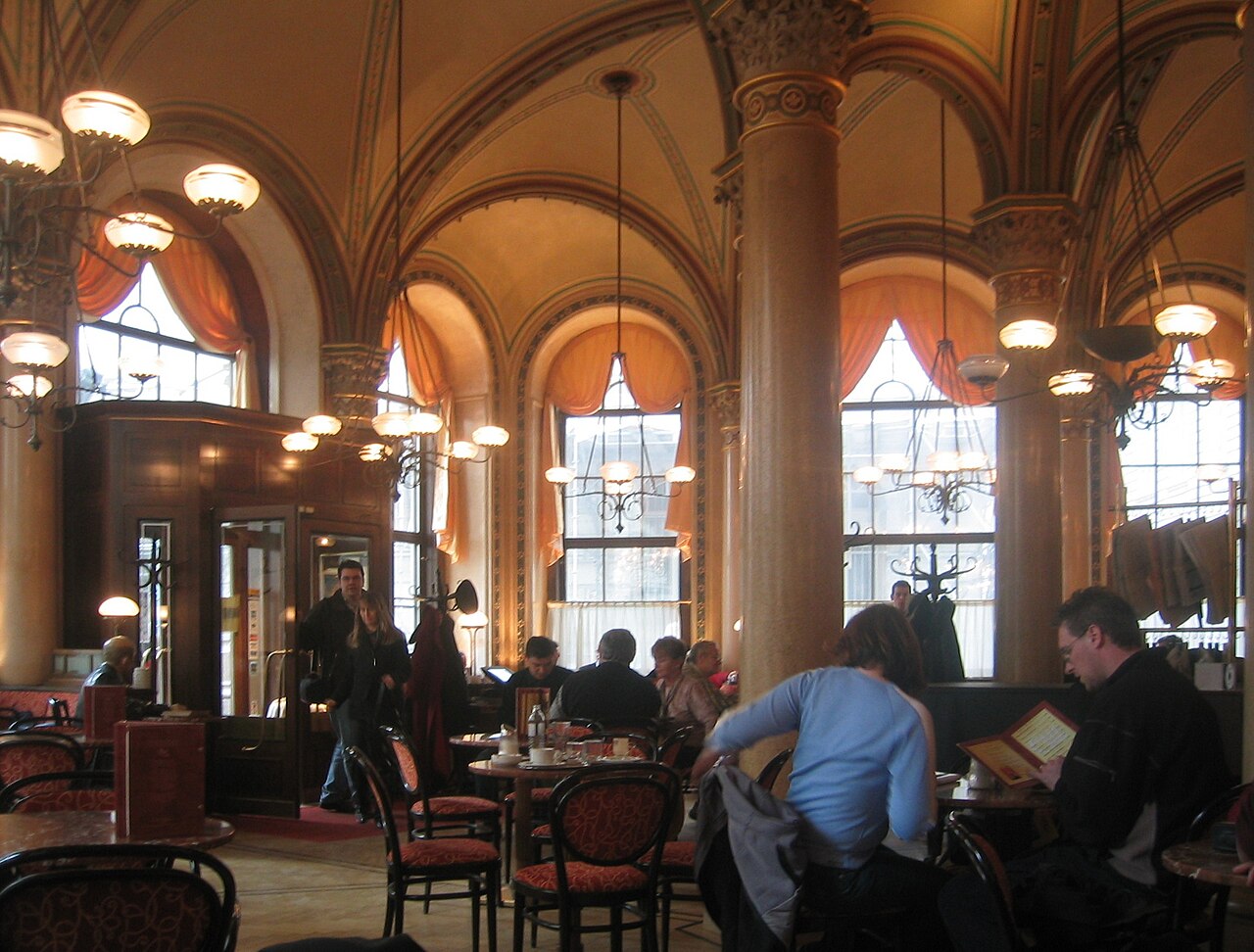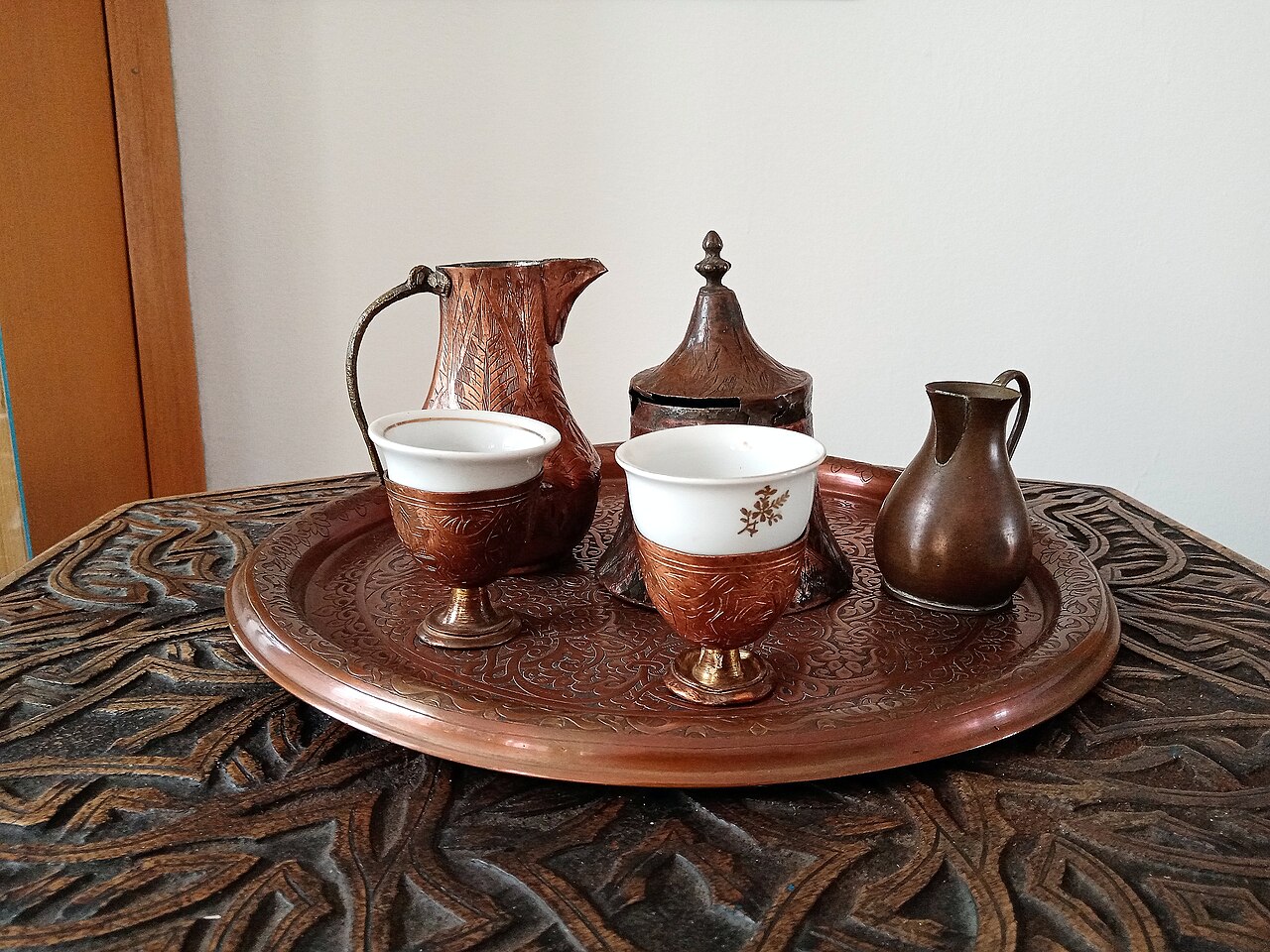
In the working-class cafés of Naples, a lucky customer would pay for two coffees and drink only one. The second was a caffè sospeso, a 'pending coffee', left for a poor person who later asked if one was waiting.
The custom faded during Italy's postwar boom. A 2008 report found it had not been practised for at least 15 years in three bars it visited. It came back: in December 2011 Naples declared an annual Suspended Coffee Day, and from 2013 the idea spread to cafés in dozens of countries.
At home, Italians brew in the moka pot. Alfonso Bialetti began marketing the Moka Express in 1933, and his son Renato's campaign made it famous. When Renato died in 2016 aged 93, his ashes were displayed inside a moka pot at his funeral.
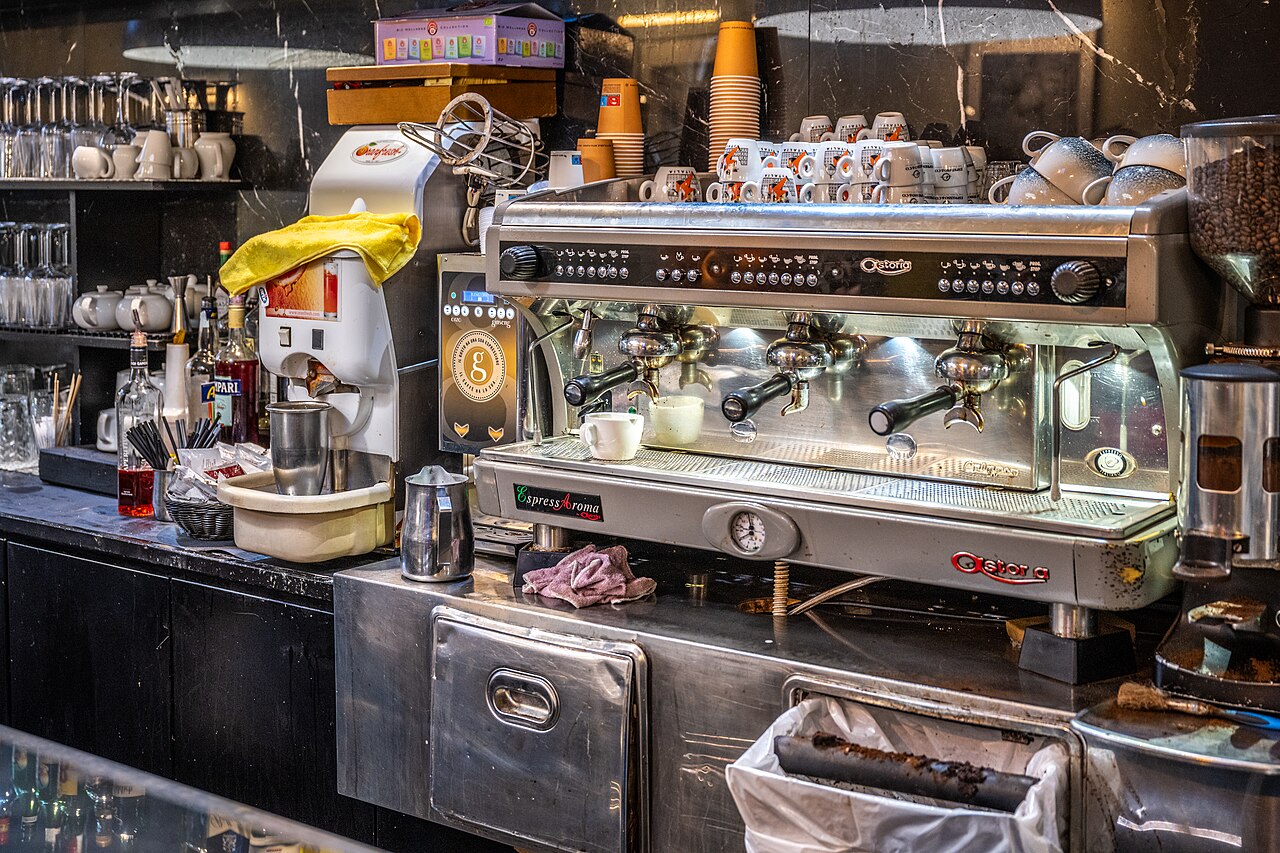
Out of the home, coffee is cheap and quick. In 2026 an espresso at an Italian bar averaged €1.29, and a coffee at a table often costs more. Many Italians hold that milky cappuccino belongs to the morning.
Suspended coffee · caffè sospeso
How it's made. A customer pays for two coffees and drinks one. The second is left 'pending' at the bar.1
How it's served. A person who cannot pay later asks whether a sospeso is available and is served it free.
What time is taking away
Caffè sospeso
A Naples charity custom of prepaying a coffee for a stranger. It faded after the war, was found obsolete in some bars in 2008, then revived from 2010–2011 and spread abroad from 2013.1
What the record says
- Caffè sospeso began in working-class cafés in Naples; a customer paid for two coffees but drank one, leaving the other for someone poor.1
- The sospeso faded during Italy's postwar economic boom and was mainly kept up around Christmas; a 2008 article found it had not been practised for at least 15 years in three bars it visited.1
- In December 2011 the Naples authorities declared an annual Suspended Coffee Day.1
- Alfonso Bialetti began marketing the Moka Express in 1933; his son Renato took over in the 1940s and commissioned the moustached mascot in 1952.2
- Renato Bialetti died in February 2016 aged 93, and his children displayed his ashes inside a moka pot at his funeral; the moustached logo was modelled on him.3
- The moka pot is held in design collections including the Museum of Modern Art, the London Science Museum and the Smithsonian.2
- In August 2026 an espresso at an Italian bar averaged €1.29, up 24.2% since 2021; Bolzano was the most expensive city (€1.51) and Messina the cheapest (€1.06).4
- These survey prices are for espresso drunk at the bar; a coffee at a table often costs more, and at bars on St Mark's Square in Venice it may cost three to four euros.5
- Many Italians drink only espresso after about 11 a.m.; cappuccino is seen as heavy, and ordering one right after dinner is viewed as a tourist's mistake.6
- In January 2022 Italy's government announced a bid to add Italian espresso to UNESCO's intangible heritage list, calling coffee 'an integral part of the national identity'.7
- Caffè Florian on Venice's Piazza San Marco opened on 29 December 1720 and, from 1893, hosted the art exhibition now known as the Venice Biennale.8
The 'no cappuccino after 11' custom is sourced only to a catering-company article; the digestion reason is folk belief, not science. The moka pot's inventor is disputed: one encyclopedia page names Luigi di Ponti as inventor in 1933 while another credits Alfonso Bialetti with marketing it, so we say Bialetti 'began marketing' it. Sospeso's 'over 100 years old' age claim was left out. The final outcome of the 2022 UNESCO espresso bid was not found.
- Caffè sospeso · Wikipedia in the bibliography
- Moka pot · Wikipedia in the bibliography
- Bialetti's ashes placed in iconic Moka · ANSA, 2016 in the bibliography
- Espresso coffee price up a quarter since 2021 · ANSA, 2026 in the bibliography
- How the price of an espresso varies around Italy · The Local Italy, 2024 in the bibliography
- Global Food Myths #11: Do Italians only drink cappuccino before lunchtime? · LSG Group in the bibliography
- Italy bidding for UNESCO status for espresso coffee · ANSA, 2022 in the bibliography
- Caffè Florian · Wikipedia in the bibliography