The British brought coffee to Burma in the late 1800s, with limited success. The crop survived independence but stalled after the military took power in 1962.
As trade sanctions eased, a USAID-funded project run by Winrock International worked with smallholders in Shan State. At a 2016 cupping contest, 56 of 60 samples scored above the specialty mark.
Field notes
What the record says
- The British introduced coffee to Burma in the late 1800s but had limited success.1
- The coffee industry survived the end of British rule but stalled after a military junta took power in 1962.1
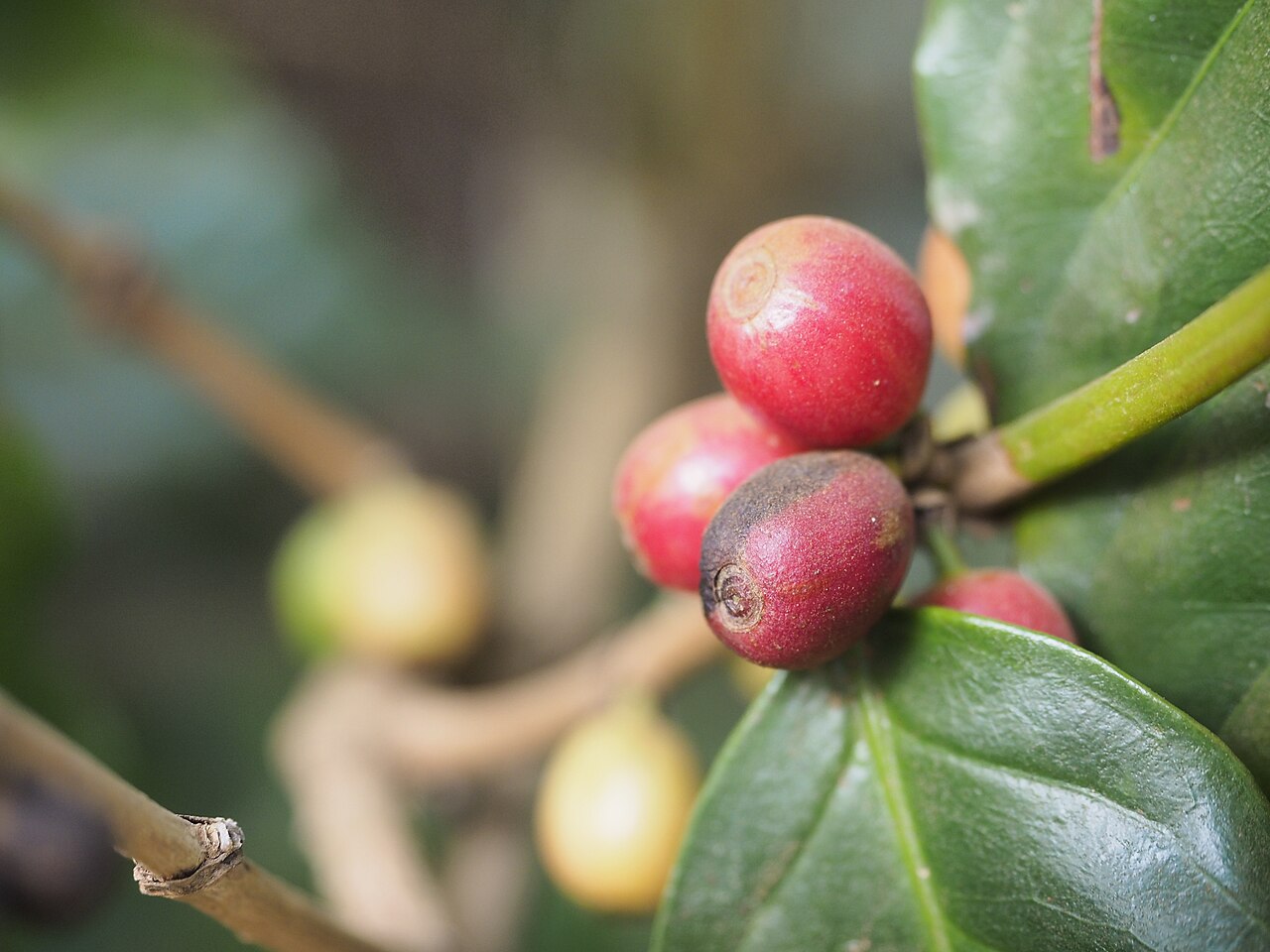
- Almost all Myanmar coffee is arabica.1
- At the second annual national cupping competition, 56 of 60 samples exceeded the 80-point specialty threshold; the winning SL34 lot from Pyin Oo Lwin scored 87.08.1
- The Value Chains for Rural Development project, run by Winrock International and funded by USAID, aimed to raise smallholder productivity and income.1
What we couldn't confirm
Thin: one trade-magazine source. A specific 1885 date and an opium-to-coffee link appeared only on roaster sites and were not used. The situation since the 2021 coup is not covered.
Sources
- Welcome, Myanmar · Fresh Cup Magazine, 2016 in the bibliography