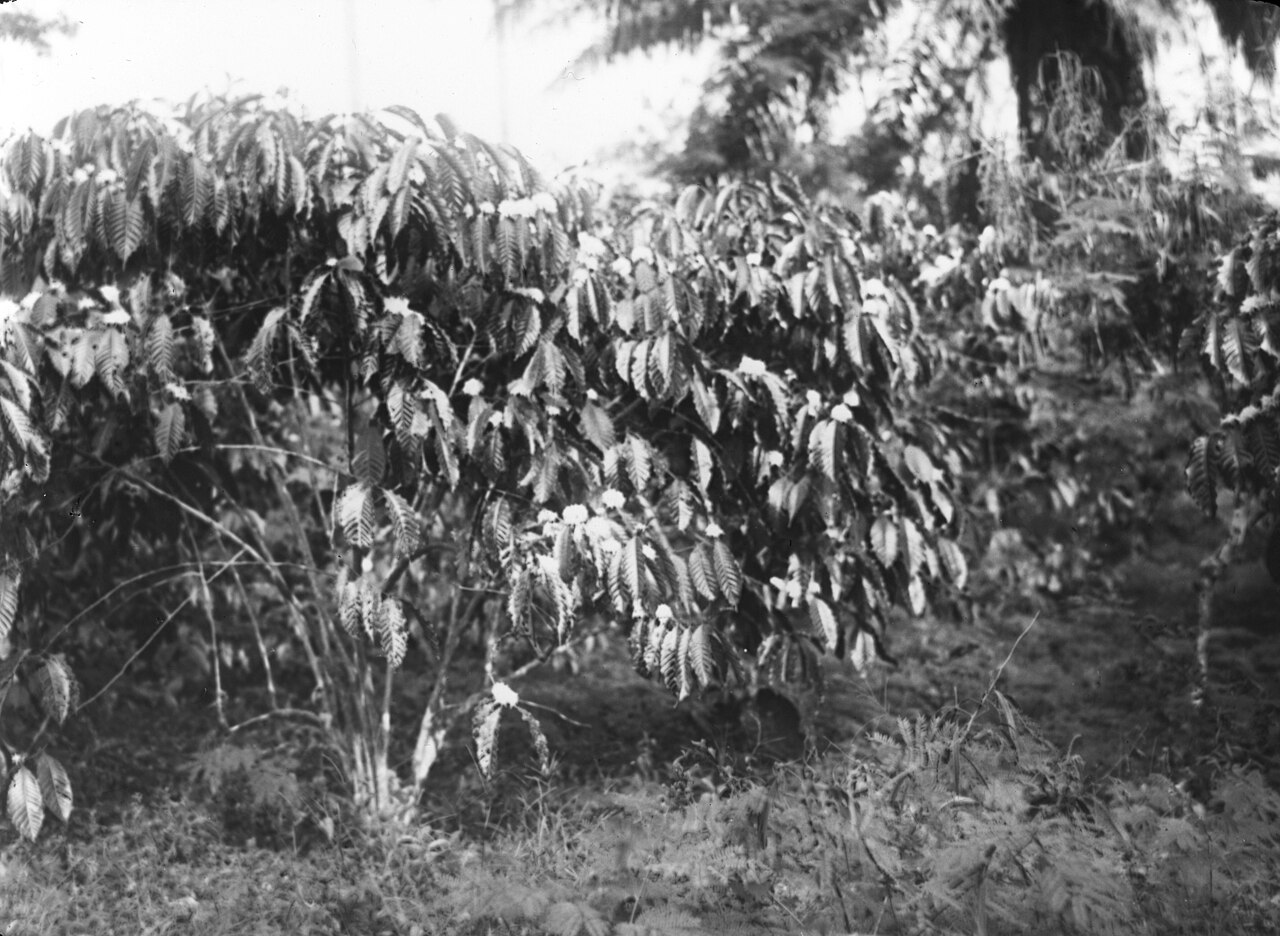
Coffee came to Idjwi island in Lake Kivu in the 1940s under Belgian rule, which encouraged small plantations of local Bourbon trees. Congo's coffee output peaked in the 1980s.
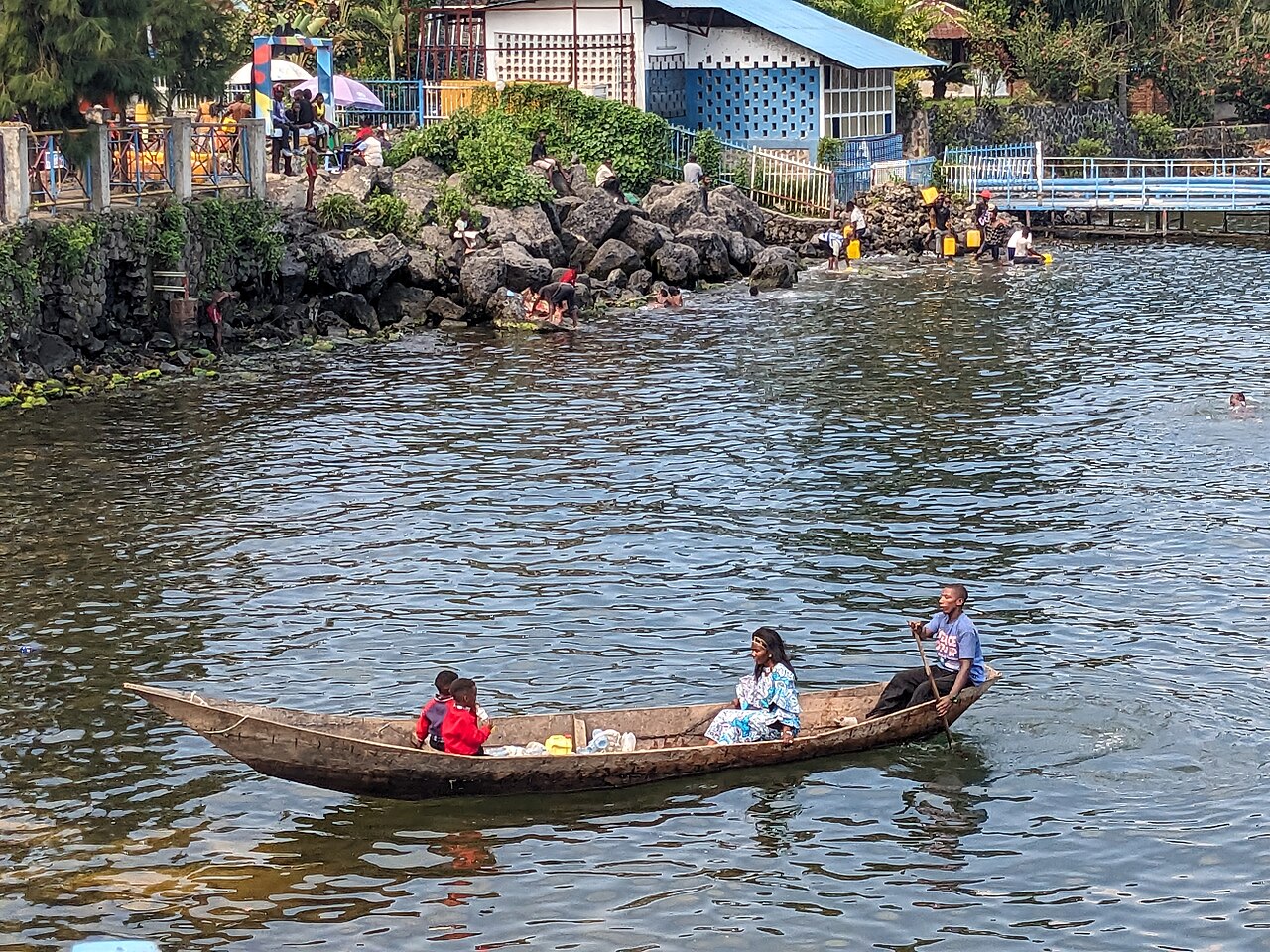
War from the 1990s wrecked the export trade. Idjwi growers rowed about five kilometres across Lake Kivu in wooden canoes to sell in Rwanda, often at low prices, and storms often overturned the boats.
In 2013 a cooperative on Idjwi became one of the first in Kivu since the wars to export to international buyers.
Field notes
What the record says
- Coffee was introduced on Idjwi in the 1940s under Belgian colonial rule.1
- The DRC produced an estimated 238 million pounds of coffee in 1989, against 44.8 million pounds in 2017/18.1
- Idjwi growers crossed about five kilometres of Lake Kivu by canoe to sell coffee in Rwanda, a trip that took two days.1
- Local people say 2,000 coffee growers drowned crossing the lake; this is a local claim, not a verified count.1
- Idjwi's main cooperative, CPNCK, has about 2,100 growers and installed 19 micro washing stations.1
- Idjwi has no grid power, so the washing stations run on generators.1
What we couldn't confirm
One trade-news source (Daily Coffee News, 2019). The drowning figure is explicitly a local claim; other sites give different numbers. No ritual found.
Sources
- On an island in the DRC's Lake Kivu, coffee begins to bear economic fruit · Daily Coffee News, 2019 in the bibliography