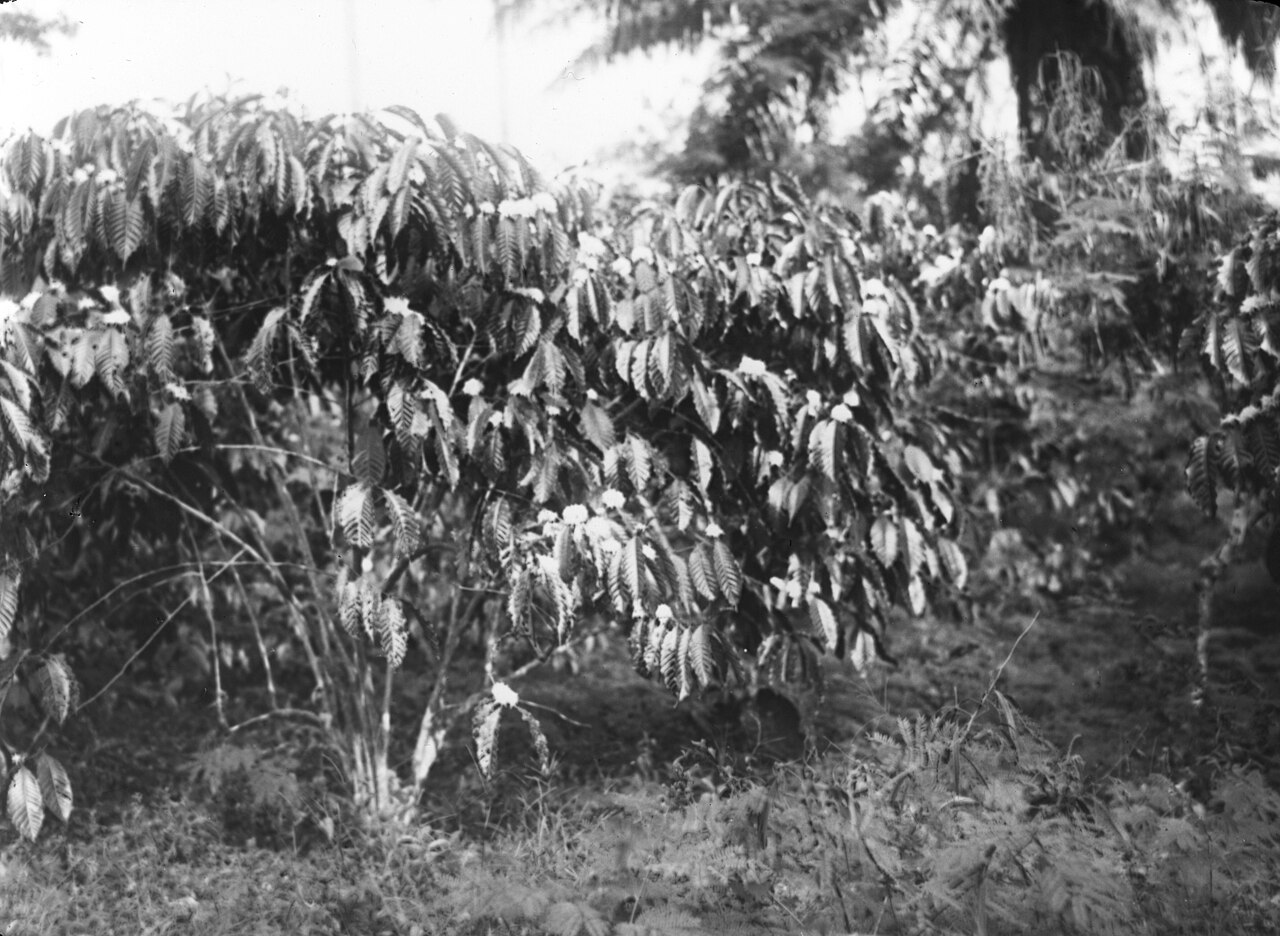
Coffee, one of Rwanda's biggest exports, was a casualty of the 1994 genocide. Rebuilding meant moving upmarket, selling quality coffee instead of commodity beans.
A USAID-backed project called PEARL helped cooperatives from 2001. Farmers learned to pick only the ripest cherries and to wash, sort and dry them at new community washing stations.
TIME reported in 2005 that about a fifth of the farmers in these co-ops were genocide widows or orphans. One farmer said Hutu and Tutsi growers worked side by side at the stations.
What the record says
- Since 2001, the PEARL project had helped 11 cooperatives with 15,000 members by 2005.1
- About 20% of the co-op farmers were genocide widows or orphans.1
- Cooperative income rose from $650,000 in 2004 to $1.2 million in 2005.1
- Rwandans did not traditionally drink coffee, so importers brought buyers to brew with farmers.1
- One farmer earned $30 a year from coffee in 1993 and about $400 a year after joining a co-op.1
- An importer called Rwanda 'the hottest coffee origin in 2005'.1
Single strong source (TIME, 2005). Belgian-era compulsory cultivation and the first post-genocide washing station date (2001 vs 2004) appeared only on importer sites with conflicting dates, so they were left out. Flavor notes are an importer's description quoted by TIME.
- The coffee widows · TIME, 2005 in the bibliography