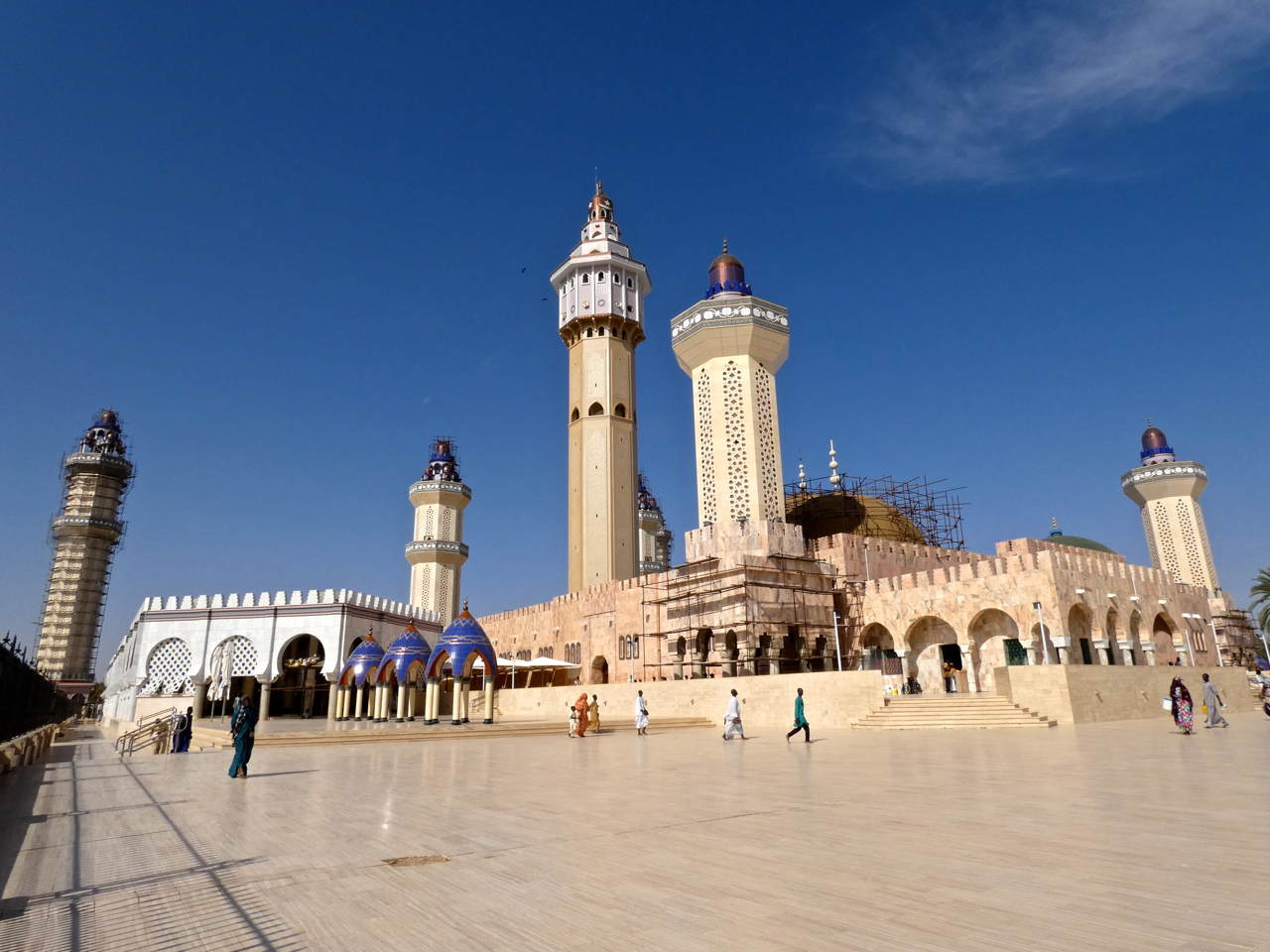
Café Touba is coffee roasted together with grains of Selim, called djar locally, and often cloves. It is named after Touba, the holy city founded by Sheikh Amadou Bamba, who founded the Mouride Sufi brotherhood in 1883.
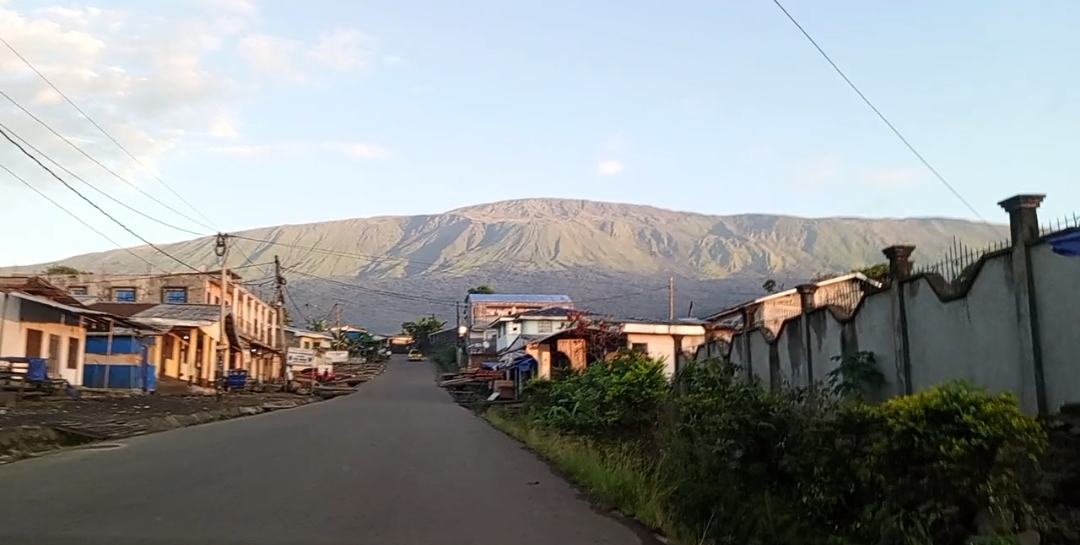
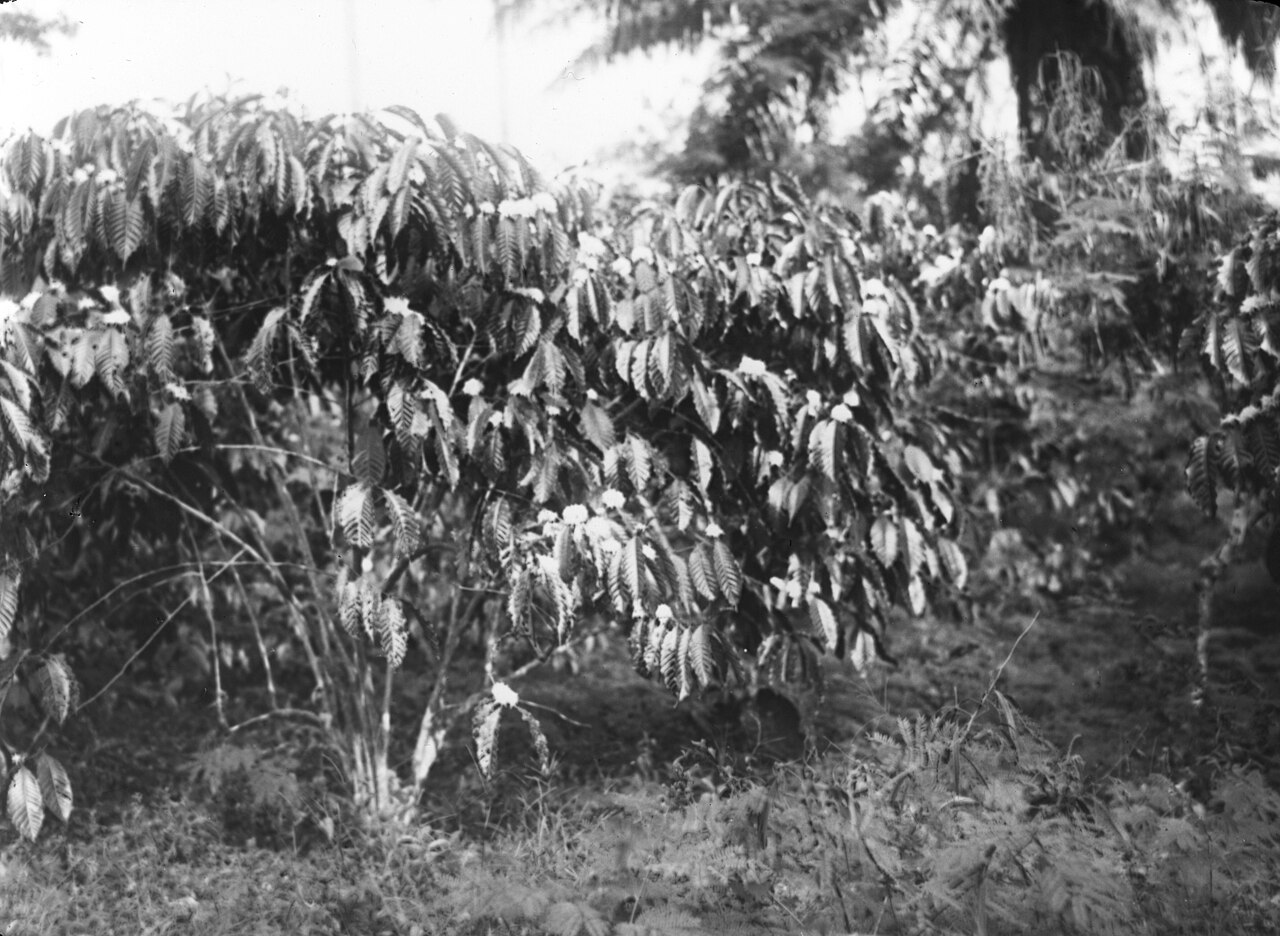
The story goes that the French exiled Bamba to Gabon in 1895, where he found that roasting Selim grains with coffee kept him alert for prayer and writing. He returned to Senegal in 1907 with the recipe, which stayed mostly within the Mouride community for about a century.
Today vendors sell it on pavements across Senegal for about 100 CFA francs a cup. It spread widely after the 2008 financial crisis raised the price of imported coffee.
Café Touba
How it's made. Mostly robusta beans, largely imported from Ivory Coast, are roasted over a fire together with djar (grains of Selim, from Xylopia aethiopica) and cloves, then ground and brewed in kettles over charcoal.1
How it's served. Black, without milk, in small paper cups, often with sugar on the side. Vendors pour it back and forth between cup and ladle, lifting it higher each time. Sold from street kiosks called tangana and by walking vendors.
What the record says
- Sheikh Amadou Bamba founded the Mouride brotherhood in 1883 and the city of Touba in 1887.1
- The French exiled Bamba to Gabon in 1895 and allowed him back to Senegal in 1907.1
- The spice ratio is roughly one part djar to four parts ground coffee.1
- A cup costs about 100 CFA francs.1
- An estimated two in three Senegalese drink café Touba.1
- Pilgrims drink café Touba during the Grand Magal, which commemorates Bamba's exile.1
- Nescafé launched an imitation, and its sales in Senegal fell as café Touba grew.1
One long-form magazine source (New Lines, 2026). The Gabon origin of the recipe is an account the article reports, not documented history, so it is framed as 'the story goes'. Atlas Obscura's page returned 403 and was not used.
- How a Sufi saint's coffee recipe took Senegal by storm · New Lines Magazine, 2026 in the bibliography