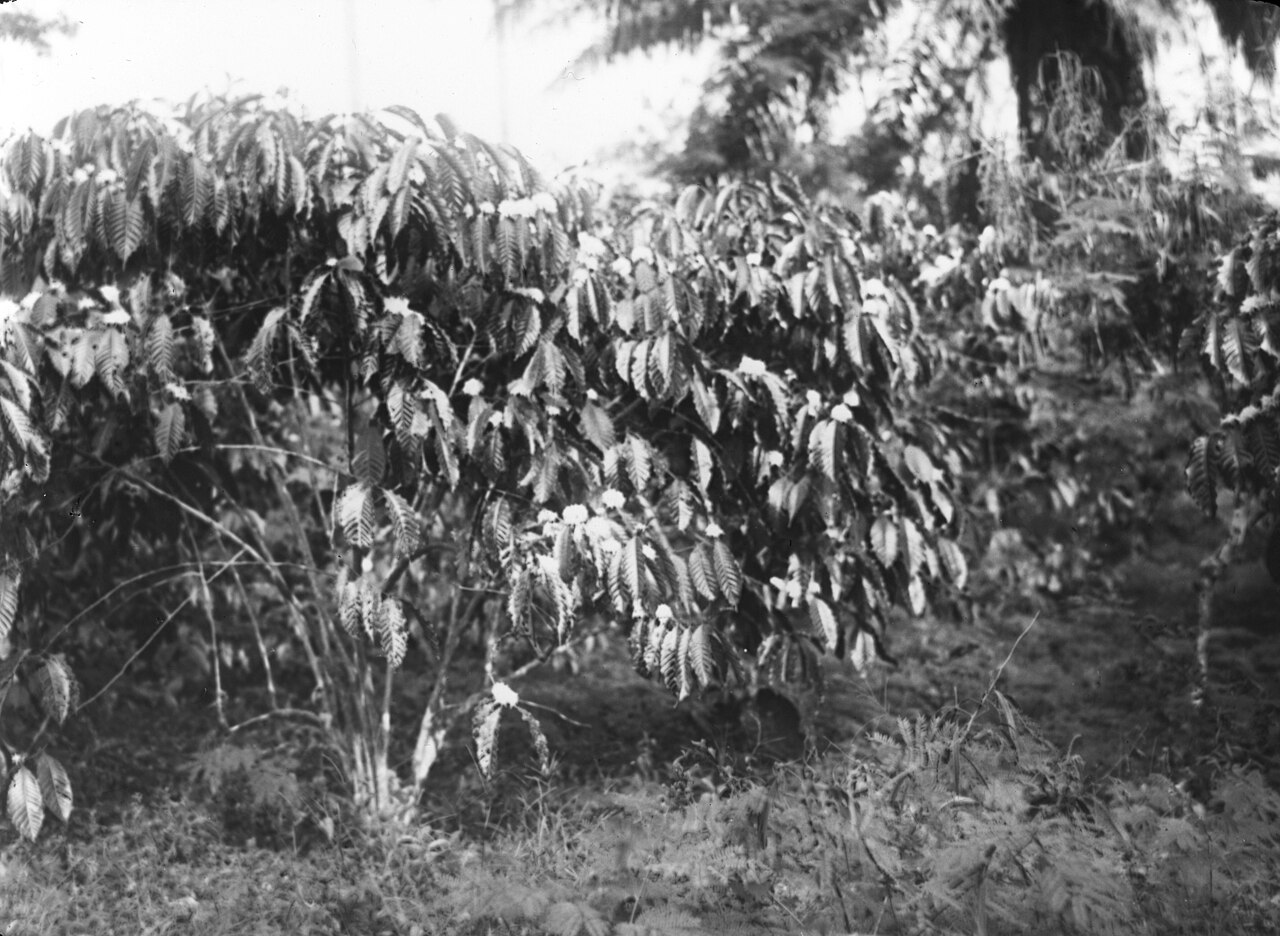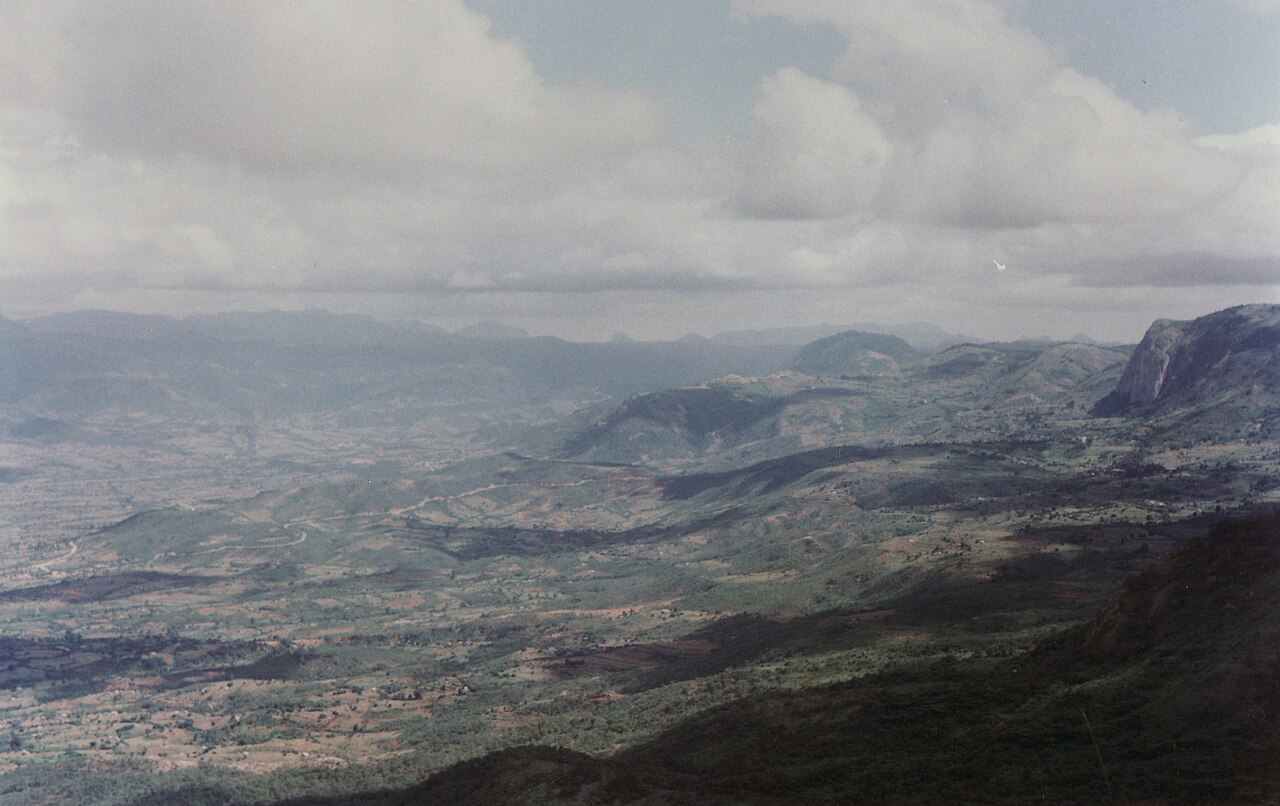
Until the early 2000s Zimbabwe averaged about 15,000 tonnes of coffee a year. Output now averages about 500 tonnes.
From 2000, up to 4,000 large-scale white farmers were evicted, coffee prices fell, and by 2019 smallholder coffee had nearly collapsed as many growers switched to macadamia nuts.
A Nespresso programme in the Honde Valley now works with about 450 smallholders and pays roughly double local prices.
Field notes
What the record says
- Until the early 2000s Zimbabwe was among the top 30 coffee-growing nations, averaging about 15,000 tonnes a year.1
- Annual output now averages about 500 tonnes from two commercial estates and about 450 small farms.1
- Coffee prices fell to as low as $0.20 per kg in 2000.1
- In 2018 the government set a target of 10,000 tonnes by 2024.1
- Farmers must surrender part of their earnings to the Reserve Bank of Zimbabwe; the share was raised to 40% in 2022.1
What we couldn't confirm
One news source (SWI swissinfo.ch, 2023). Other sites give different peak and low figures; we kept to this source's rounding.
Sources
- Reviving Zimbabwe's coffee industry · SWI swissinfo.ch, 2023 in the bibliography