In 1616 a Dutch merchant, Pieter van den Broecke, brought coffee plants from Mocha in Yemen to Amsterdam. The Yemeni trade tried to stop live plants and fertile seeds leaving Arabia.
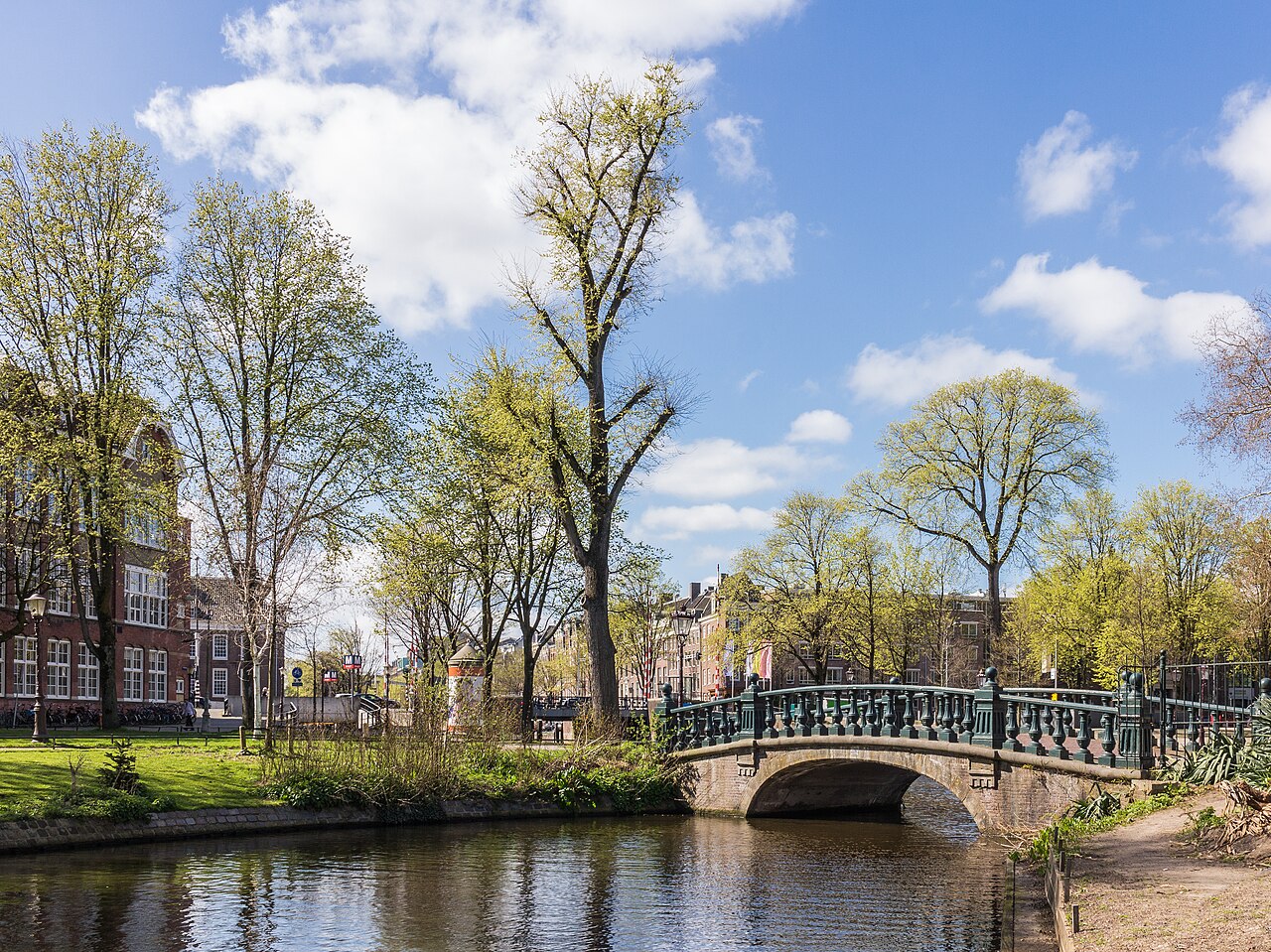
In 1696 the Dutch East India Company shipped live coffee plants to Batavia, now Jakarta. About ten years later seeds came back to Amsterdam's Hortus Botanicus, and Amsterdam became a coffee capital, supplied with Java beans.
One account says a plant from the Hortus was given to Louis XIV of France in 1714. Its descendants may underlie coffee in the Americas, but the garden's own researcher says that link is unproven, and the original plant probably did not survive in Amsterdam.
Java's coffee had a dark side. The Dutch cultivation system forced farmers to pay with labour or crops such as coffee. The 1860 novel Max Havelaar helped turn Dutch opinion against it.
What the record says
- In 1616 VOC merchant Pieter van den Broecke brought coffee plants from Mocha, Yemen, to Amsterdam.1,2
- Coffee traders kept a monopoly by not letting fertile seeds or living plants leave the Arabian Peninsula.1
- In 1696 the VOC shipped its first live coffee plants to Batavia (Jakarta); about ten years later seeds were taken back to Amsterdam and grown at the Hortus.1
- Amsterdam's Hortus Botanicus was founded in 1638 as an herb garden for doctors and apothecaries during a plague epidemic.3
- Hortus staff first recorded roasting and brewing their own coffee in 1710.3
- A Hortus researcher says the original Amsterdam plant probably did not survive there, and today's Hortus plants likely descend from 19th-century Brazilian stock.3
- In 1658 the Dutch began growing coffee in Ceylon using plants derived from Amsterdam.2
- Multatuli's 1860 novel Max Havelaar criticised the Dutch colonial cultivation system and helped shift public opinion against it.1
The often-cited 1706 date for the Hortus plant is not stated in either opened source (one says 'ten years later' after 1696, another implies about 1707), so no exact year is given. The 'mother of all Latin American coffee' claim is presented as unproven, per the Hortus researcher.
- How coffee went from the hands of the Dutch to the world · The Jakarta Post, 2018 in the bibliography
- History of coffee · Wikipedia in the bibliography
- Coffee's History Blooms At Amsterdam's Hortus Botanical Garden · Sprudge, 2017 in the bibliography